Carnival Cruise vs Royal Caribbean: Which Cruise Line Is Right for You?
The carnival cruise vs royal caribbean debate comes up on every cruise forum, family group chat, and travel blog, and for good reason. These two lines carry more North American passengers than anyone else, yet they feel completely different the moment you step aboard. One is the self-proclaimed “Fun Ship” brand built on casual energy and low entry prices. The other sells the biggest, most gadget-packed vessels at sea, with ice rinks, surf simulators, and entire neighborhoods floating on a ship.
Both are excellent. But they are excellent for different people, different budgets, and different kinds of vacations. The right pick depends on whether you want a laid-back, affordable getaway or a high-energy resort experience with more to do than you could fit into a week. This guide breaks down the real differences — price, ships, food, cabins, and the overall vibe — so you can book the one that actually fits your trip.
At a Glance: Carnival vs Royal Caribbean
If you want the short version before the details, here it is. Carnival generally wins on price and laid-back fun. Royal Caribbean wins on ship size, onboard innovation, and family entertainment. Neither is a bad choice; they just target different styles of traveler.
| Feature | Carnival Cruise Line | Royal Caribbean |
|---|---|---|
| Overall vibe | Casual, party-forward, high energy | Big-resort feel, polished, family-focused |
| Typical entry price (3–4 nights) | $200–$400 per person, interior | $350–$600 per person, interior |
| Typical 7-night Caribbean price | $500–$900 per person | $800–$1,400 per person |
| Largest ship class | Excel class (Mardi Gras, Celebration, Jubilee) | Icon class (Icon of the Seas, Star of the Seas) |
| Signature food | Guy’s Burger Joint, BlueIguana Cantina | Izumi sushi, Giovanni’s Italian Kitchen |
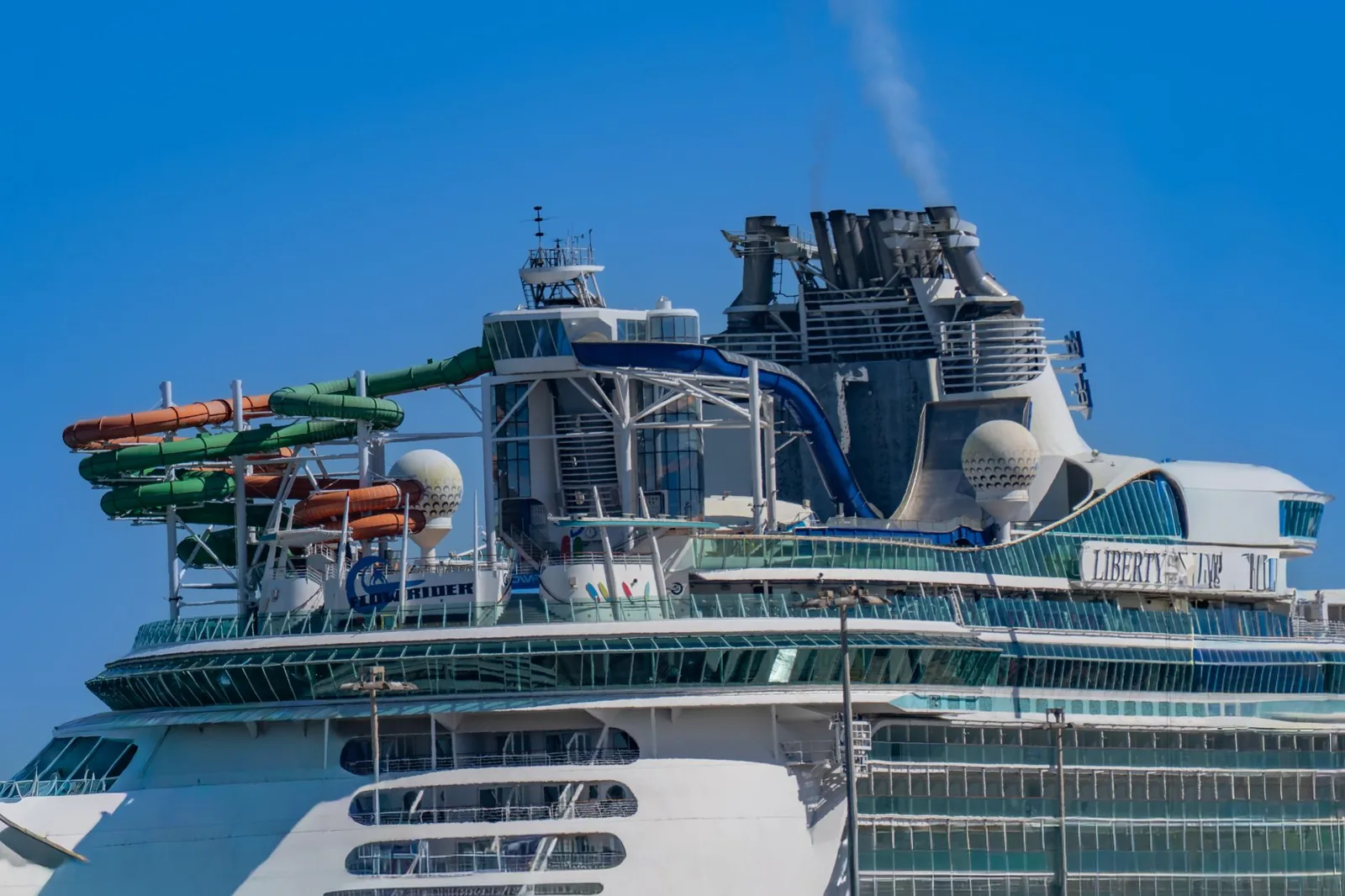
| Signature onboard features | Bolt roller coaster, ropes course, water slides | FlowRider surf sim, ice rink, zip line, AquaTheater |
| Best for | Budget cruisers, first-timers, casual groups | Families with kids, thrill-seekers, “wow” factor |
Prices above are rough starting ranges for an interior cabin per person before taxes, port fees, and gratuities, and they move constantly with season and sailing date. Check current fares rather than treating these as fixed. For independent traveler reviews of specific ships on both lines, Cruise Critic and The Points Guy are solid starting points.
How the Onboard Vibe Compares
This is where the two lines diverge most, and it is usually the deciding factor once price is settled.
Carnival: Casual, Social, and High Energy
Carnival leans hard into the “Fun Ship” identity. Expect lively pool decks with DJs and games, plenty of bars, and a crowd that skews younger and more social. The dress code is forgiving, the dining is flexible, and nobody is going to side-eye you for showing up to the buffet in shorts and flip-flops. Short Bahamas and Caribbean sailings on Carnival are essentially floating parties with a few port stops in between.
That energy is a feature for many travelers and a drawback for others. If you want quiet reading corners and a subdued atmosphere, Carnival’s bigger ships may feel loud in spots — though its newer Excel-class ships have adults-only Serenity areas and more upscale zones that soften the edges.
Royal Caribbean: Polished, Family-Focused, and Spectacular
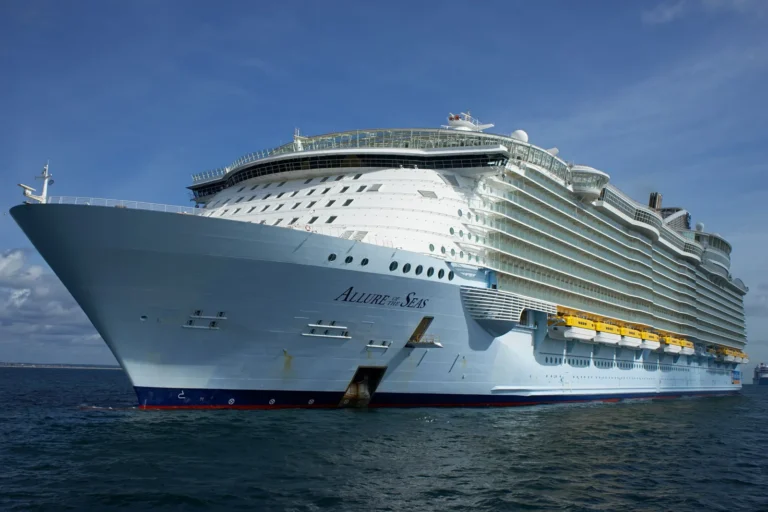
Royal Caribbean’s pitch is scale and spectacle. Ships like Wonder of the Seas and the new Icon of the Seas are more like floating cities than cruise ships, with distinct “neighborhoods” that separate families, adults, and kids. The atmosphere is more polished and less booze-forward than Carnival, and the crowd tends to include a lot of multigenerational family groups.
You trade a bit of the raw party energy for a broader menu of things to do — rock climbing walls, ice-skating shows, water parks, and Broadway-style productions. If your group spans ages 5 to 75, Royal Caribbean is engineered to keep every one of them busy.
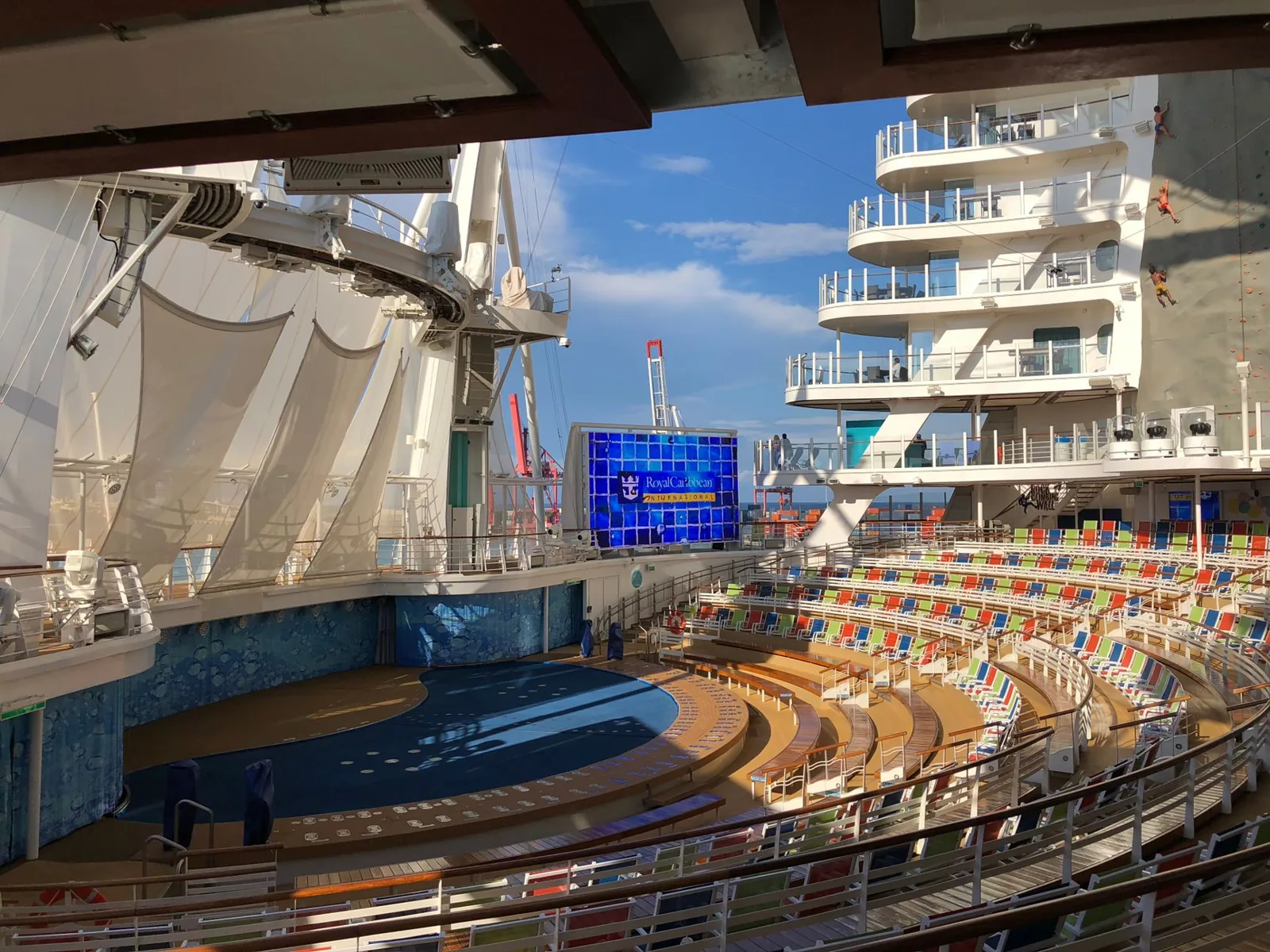
Photo by Stephan Leuzinger via Pexels
Prices and What You Actually Pay
Carnival’s reputation as the budget option is mostly earned, but the gap is not as clean as it looks once you add everything up.
Base Fares
For an interior cabin on a short 3- or 4-night Bahamas cruise, Carnival often starts around $200–$400 per person, while Royal Caribbean’s comparable sailings more often open around $350–$600. On 7-night Caribbean itineraries, Carnival frequently lands in the $500–$900 range, whereas Royal Caribbean’s 7-nighters commonly run $800–$1,400 or more, especially on the newest ships.
None of this includes taxes, port fees, or gratuities, which can add $150–$300 per person to either line depending on the itinerary. It also excludes drinks, specialty dining, Wi-Fi, and shore excursions.
Where Royal Caribbean Catches Up
Royal Caribbean’s higher fares sometimes buy you more included value. The two lines’ add-on costs are broadly similar, but Royal Caribbean frequently runs promotions that bundle drinks packages, Wi-Fi, or onboard credit, and its newer ships include more free attractions (water slides, mini-golf, ice rink access) that would cost extra elsewhere. If you would pay for those upgrades anyway, the effective price gap narrows.
For a deeper look at what a cruise actually costs per person, see our guide to the average cruise cost per person and how much cruises cost across lines and cabin types.
Food and Dining
Both lines have come a long way from buffet stereotypes, but their strengths point in different directions.
Carnival’s Included Favorites
Carnival’s included quick-service spots are genuinely popular, and people book the line partly for them. Guy’s Burger Joint, developed with celebrity chef Guy Fieri, serves free pool-deck burgers that many cruisers rate above the pay-for burgers on other lines. BlueIguana Cantina dishes out fresh tacos and burritos, and the sit-down main dining rooms serve solid, if not groundbreaking, multi-course dinners. Carnival has also expanded specialty restaurants — steakhouse, Italian, teppanyaki — on its newer ships at reasonable upcharges.
Royal Caribbean’s Variety
Royal Caribbean casts a wider net. Its main dining rooms rotate a menu that leans a bit more upscale, and the buffet (Windjammer) is large and varied. Specialty venues are where it pulls ahead: Izumi for sushi, Giovanni’s Italian Kitchen, the steakhouse Chops Grille, and Chef’s Table tasting menus. On Icon and Oasis-class ships there are more restaurants than you can visit in a week, plus unique spots like the AquaTheater-adjacent seafood bar.
Neither line is going to impress a Michelin-obsessed foodie on the included fare alone, but Royal Caribbean offers more choice and higher ceilings if you are willing to spend on specialty dining.
Ships, Cabins, and Family Features
The Ships
Carnival’s newest Excel-class ships — Mardi Gras, Carnival Celebration, and Carnival Jubilee — are around 180,000 gross tons and carry roughly 5,000–6,500 passengers, with the Bolt roller coaster (first at sea), a ropes course, and zones themed around distinct experiences. Royal Caribbean’s Icon and Oasis classes are bigger still: Icon of the Seas is the largest cruise ship in the world at about 250,000 gross tons, with capacity near 7,600 passengers and features like the largest water park at sea, a surf simulator, and the first-ever cantilevered AquaDome.
The difference matters. If you want maximum spectacle and variety, Royal Caribbean’s newest ships are in a class of their own. If you would rather avoid enormous crowds and maze-like decks, Carnival’s mid-size ships — or its newer large ones — can feel more manageable.
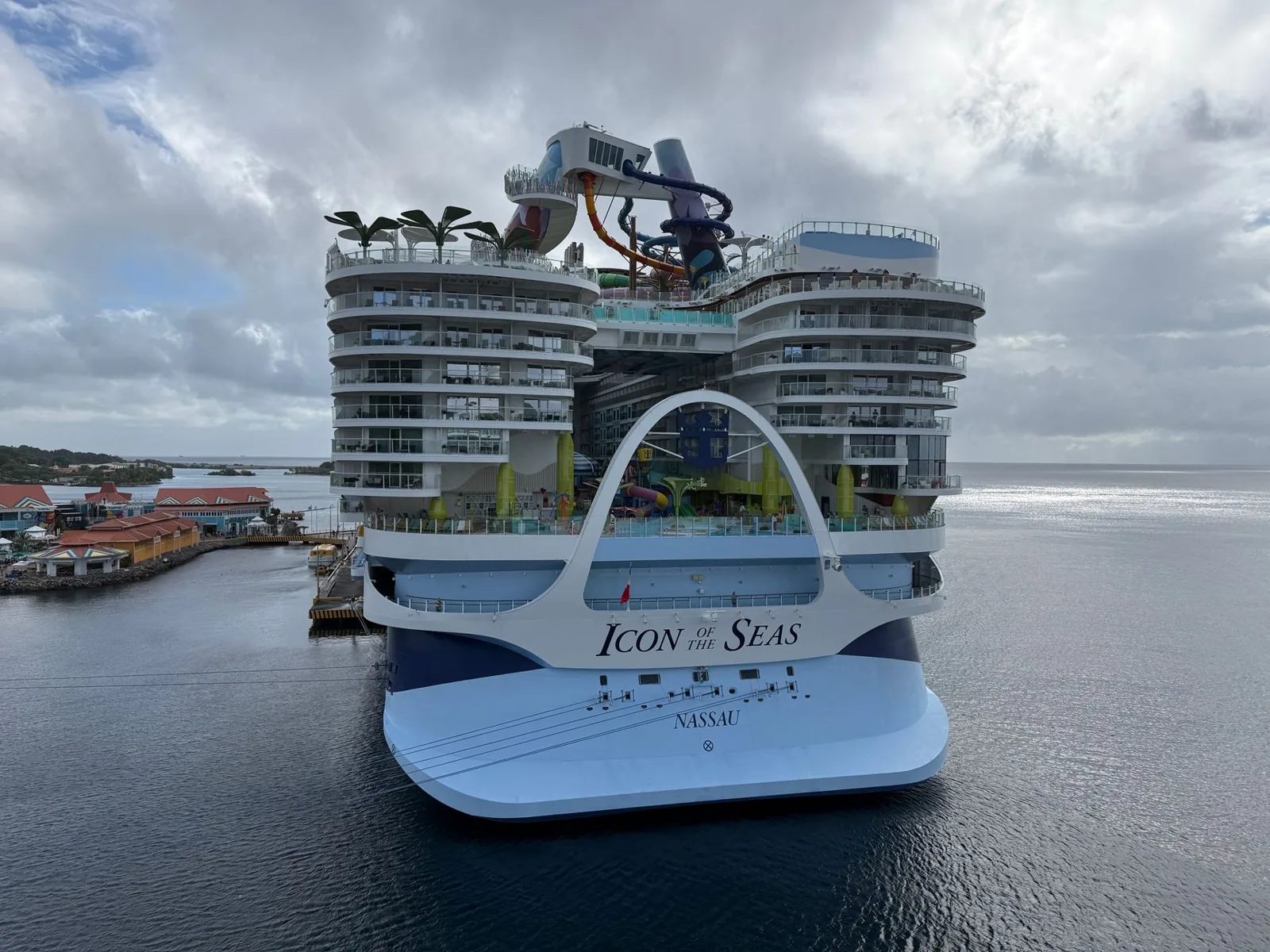
Photo by Sergii via Pexels
Cabins
Standard inside and oceanview cabins are comparable in size and quality across both lines, though Royal Caribbean’s newer ships tend to have slightly more modern finishes. Where Royal Caribbean stands out is in family cabins: its “Ultimate Family Suite” on Icon class is a two-story suite with a slide, and many Oasis- and Icon-class ships offer connected family rooms and rooms overlooking interior neighborhoods like Central Park or the Boardwalk. Carnival’s suites are comfortable but more conventional.
Kids and Families
Royal Caribbean is the stronger pick for families with kids. Its Adventure Ocean program is well-regarded, and the sheer volume of included family activities — ice shows, aqua shows, carousels, water slides — keeps children busy for days. Carnival’s Camp Ocean is solid and its ships have plenty of slides and pools, but the programming and amenities simply do not match Royal Caribbean’s scale.
If you are weighing Royal Caribbean against another family favorite, our Disney Cruise vs Royal Caribbean comparison covers that matchup in detail.
Who Should Pick Which Line?
Book Carnival If…
- You want the lowest realistic price for a cruise vacation.
- You are traveling with a group of adults or a casual crowd who want to socialize.
- You prefer a relaxed dress code and flexible, informal dining.
- You are a first-time cruiser who wants to test the water without overspending.
- You prioritize fun, bars, and pool-deck energy over polished entertainment.
Book Royal Caribbean If…
- You are traveling with kids or a multigenerational family.
- You want the biggest ships and the most onboard attractions anywhere at sea.
- You value Broadway-style shows, ice shows, and aqua shows over party atmosphere.
- You are willing to pay more up front for more included variety and newer hardware.
- You are celebrating a milestone and want a “wow” factor.
Frequently Asked Questions
Is Carnival cheaper than Royal Caribbean?
Yes, in most cases. Carnival’s base fares for comparable itineraries and cabin categories typically run 20–40% lower than Royal Caribbean’s, especially on shorter sailings. The gap narrows once you add drinks packages, specialty dining, and Wi-Fi, so compare total cost rather than headline fare.
Which cruise line is better for families?
Royal Caribbean generally wins for families with children, thanks to its larger ships, Adventure Ocean kids’ program, and more included family attractions like ice rinks, water parks, and aqua shows. Carnival works well for budget-conscious families, but its programming and amenities are more limited.
Are the ships about the same size?
No. Royal Caribbean’s newest ships are the largest in the world. Icon of the Seas is about 250,000 gross tons and carries close to 7,600 passengers, while Carnival’s largest vessels are around 180,000 gross tons with roughly 5,000–6,500 passengers. Both lines also sail plenty of smaller, mid-size ships.
Which has better food?
It depends on what you mean. Carnival’s included quick-service spots like Guy’s Burger Joint are crowd favorites, while Royal Caribbean offers more variety and stronger specialty dining across sushi, Italian, and steakhouse venues. For included fare alone, it is close; for choice and high-end upgrades, Royal Caribbean pulls ahead.
Is Carnival more of a party cruise?
Generally, yes. Carnival’s shorter Bahamas and Caribbean sailings attract a younger, more social crowd and lean into pool-deck energy and bars. Royal Caribbean is more family-focused and polished, though its ships still have plenty of nightlife. If you want a quiet, subdued cruise, neither line’s big ships are the best fit.
The Bottom Line
Carnival and Royal Caribbean are both outstanding cruise lines that happen to sell very different vacations. Pick Carnival when the goal is an affordable, casual, high-energy getaway with a group that wants to relax and have fun without overthinking it. Pick Royal Caribbean when you want the biggest ships, the most onboard attractions, and a family-friendly resort experience worth the higher fare.
Whatever you choose, the biggest lever on your final cost is the sailing date, cabin type, and how many add-ons you buy — so compare total prices, not just the headline fare. If you are still budgeting, start with our breakdown of the average cost of a 7-day cruise to set expectations before you book.