Disney Cruise vs Royal Caribbean: Which Is Best for Your Family?
If you’re weighing a Disney cruise vs Royal Caribbean for your next family vacation, the real difference comes down to money and what your kids actually care about. Disney costs noticeably more per person, but you get character meet-and-greets, rotational dining, and Broadway-caliber shows built entirely around families. Royal Caribbean gives you far more ships, more ports, and more onboard thrills — often for half the price.
Neither line is objectively better. The right pick depends on your kids’ ages, how much you want to spend, and whether you want itineraries beyond the Caribbean and Bahamas.
This guide breaks down real prices, ships, dining, kids’ clubs, and entertainment so you can book the one that actually fits your family instead of guessing.
Price: Disney Costs More — Sometimes Twice as Much
Price is the first thing most families hit, and it’s the clearest split between the two lines. Disney Cruise Line prices its cabins like a premium resort, and it rarely discounts them. Royal Caribbean competes on volume, which means you can often sail on a newer, bigger ship for far less.
A 7-night Caribbean cruise in the cheapest inside stateroom typically runs:
- Disney Cruise Line: $4,500–$8,000 for a family of four, and routinely $7,000–$14,000 for a verandah on the Disney Wish or Disney Fantasy.
- Royal Caribbean: $2,200–$4,500 for a family of four in an interior cabin, and roughly $4,000–$7,000 for a balcony.
Per person per night, Disney usually lands around $150–$350, while Royal Caribbean interiors often start near $70–$160. If you want a baseline on those numbers, check our guide to what a cruise costs per person.
There’s a catch: the sticker price isn’t the whole story. Disney includes more in the base fare — soda, 24-hour room service, and the kids’ clubs cost nothing extra. Royal Caribbean charges for soda packages, specialty dining, and several activities, so the gap shrinks once you add those back. Still, for most families the all-in total lands lower on Royal Caribbean. If you’re trying to map out the full budget, our breakdown of how much cruises cost overall helps.
The Ships: Small and Themed vs Big and Loaded
Disney deliberately keeps its fleet small and highly themed. As of 2025 it runs five ships — Disney Magic, Disney Wonder, Disney Dream, Disney Fantasy, and Disney Wish — with Disney Treasure joining in late 2024 and Disney Destiny on the way. The oldest (Disney Magic, 1998) is still immaculate because Disney spends heavily on refurbishment.
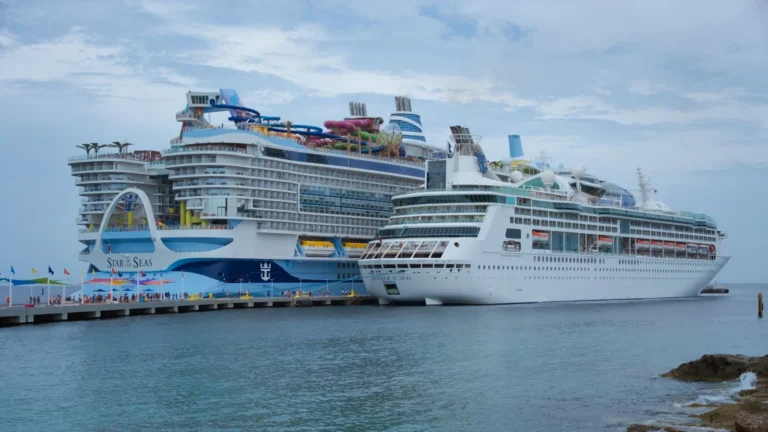
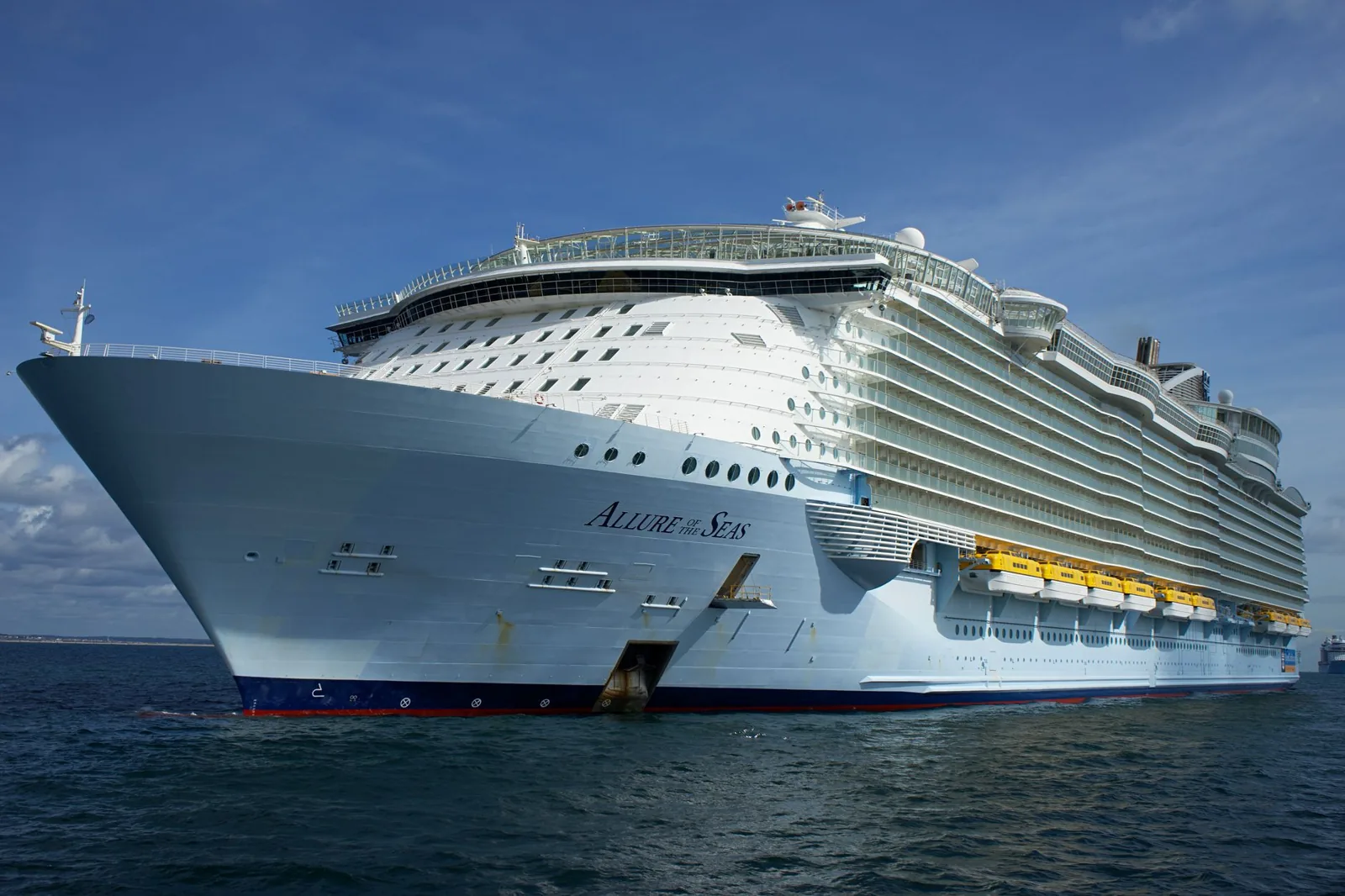
Royal Caribbean operates the largest fleet at sea — 28 ships and counting, headlined by Icon of the Seas, the world’s biggest cruise ship. That scale buys you things Disney simply doesn’t build: ice-skating rinks, surf simulators, zip lines, dry slides, and neighborhoods like Central Park and the Boardwalk.
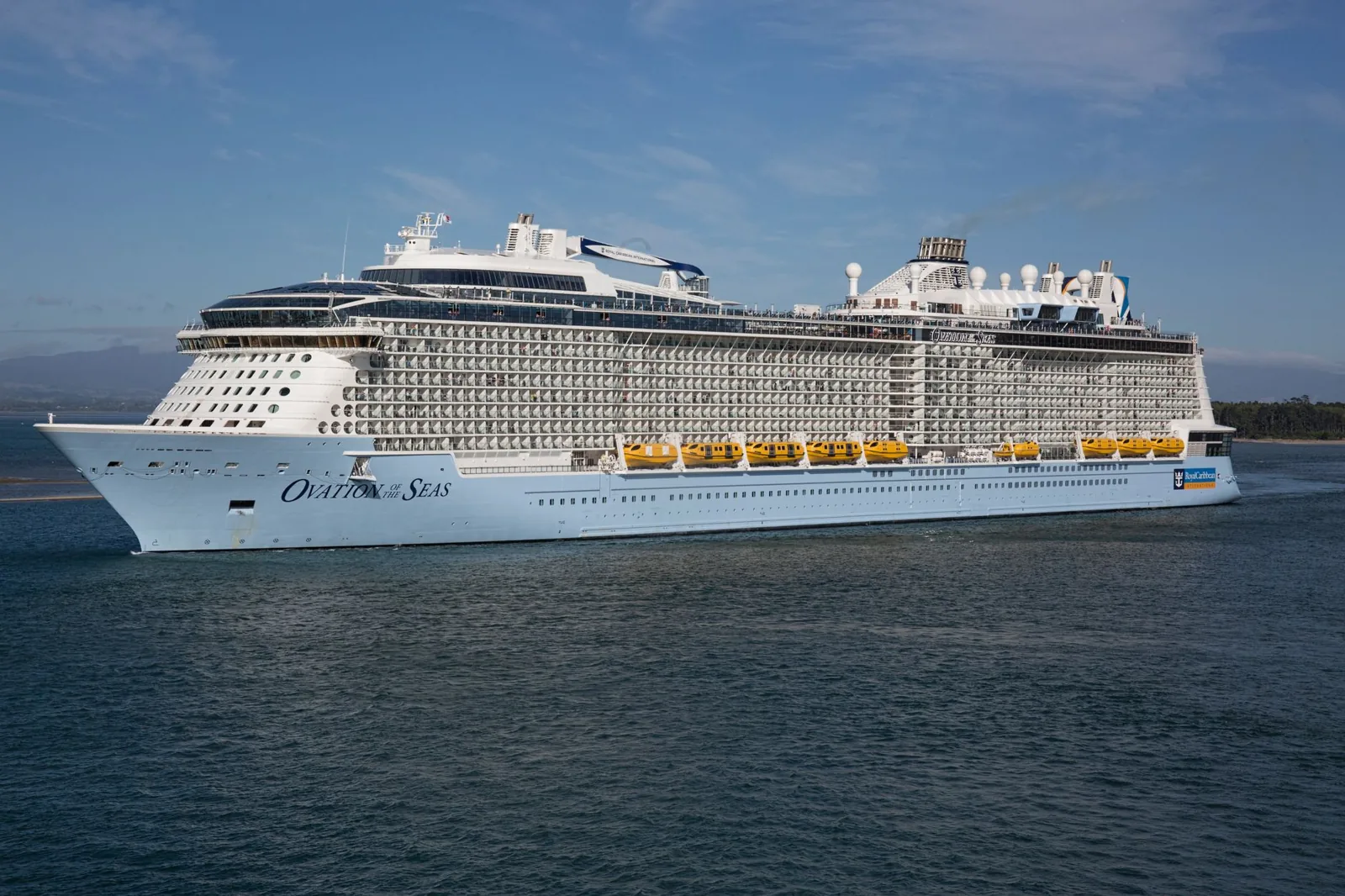
Photo by Brian Cook via Pexels
The trade-off is intimacy versus scale. Disney ships hold roughly 2,500–4,000 passengers and feel calm and uncrowded. A Royal Caribbean megaship can carry 5,600–7,000 passengers, which means more energy and more choices, but also more lines on sea days. If your kids get overwhelmed by crowds, Disney’s smaller ships are easier to handle. If they want nonstop action, Royal Caribbean is the pick.
Kids’ Clubs and Family Activities
Both lines excel here, but in different directions.
Disney’s kids’ clubs are famously good. The Oceaneer Club and Oceaneer Lab take kids 3–12, staffed at a high child-to-counselor ratio, with Star Wars missions, Marvel superhero academies, and character visits baked into the program. The kids’ clubs are included, no extra cost, and parents get a ship-wide pager. The Disney Wish adds the Small World Nursery for infants and a Marvel-themed club.
Royal Caribbean’s Adventure Ocean also takes kids 3–17 and is free, but the programming is more generic — arts and crafts, video games, themed parties. Where Royal Caribbean wins is pure variety. The Icon of the Seas has Surfside, an entire neighborhood of splash pads, carousels, and slides designed for young kids. Oasis-class ships have zip lines, rock walls, ice shows, and aqua theater diving shows that kids and teens love.
For toddlers and grade-schoolers, Disney edges ahead. For teens and pre-teens who want action, Royal Caribbean usually wins.
Food and Dining
Disney invented rotational dining: you keep the same serving team but rotate nightly through different themed restaurants — Animator’s Palate, Enchanted Garden, and the Royal Court on the Dream and Fantasy. Your servers follow you, learn your kids’ names, and cut their food without being asked. That consistency is genuinely valuable with young children.
Royal Caribbean’s main dining room is solid but standard, and the real appeal is its specialty restaurants — around a dozen per ship on newer vessels, from Izumi sushi to Chops Grille steakhouse and Wonderland’s molecular gastronomy. Most cost $25–$60 per person. Disney has Palo and Remy (adults-only, $50+ and $125+ respectively), but nowhere near the same variety.
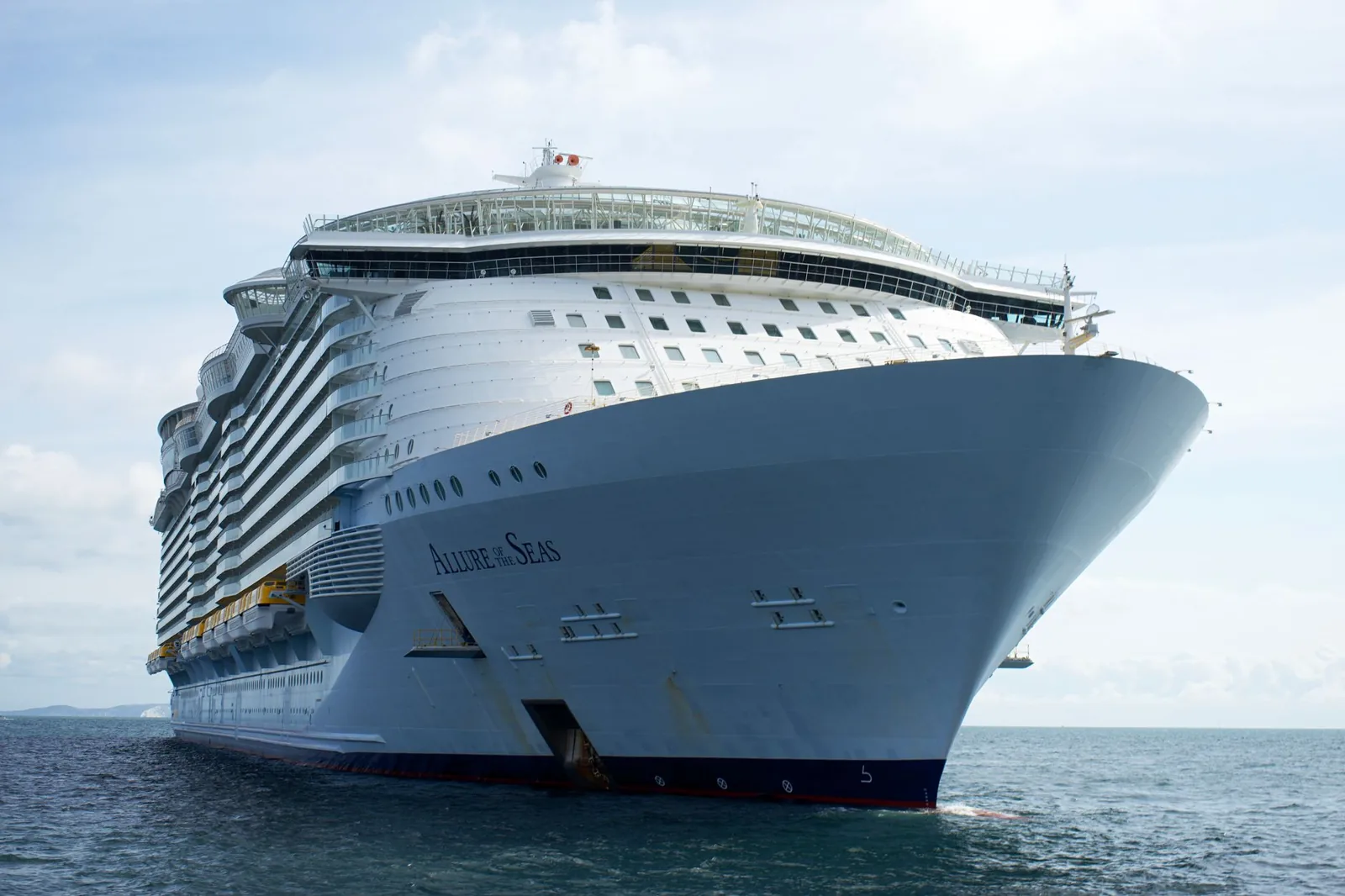
Photo by Mike Bird via Pexels
Doing a quick head-to-head: Disney wins for young kids and food allergy handling (it’s the gold standard at sea). Royal Caribbean wins for variety and for grazers who like 15 different quick-serve spots. Families with food allergies or picky toddlers often find Disney worth the premium for stress-free meals alone.
Entertainment
Disney’s shows are the closest thing at sea to Broadway. Beauty and the Beast on the Dream, Frozen on the Wonder and Fantasy, and The Little Mermaid on the Wish are legitimate productions. Every show is family-safe by design — no late-night comics, no casino, no need to check the content first.
Royal Caribbean’s entertainment is broader and more adult-leaning. Hairspray, Cats, and Grease have all run on its ships, alongside ice shows, aqua theater diving shows, and comedy clubs. It also has casinos and adults-only venues like the Solarium, which Disney famously doesn’t. If you’re sailing with kids, both work. If you’re also after a bit of adult time at night, Royal Caribbean gives you far more of it.
Itineraries and Destinations
Disney’s footprint is narrow. Its homeports are concentrated in Florida (Port Canaveral, Fort Lauderdale, and Miami), with seasonal routes from Galveston, San Diego, and Vancouver, plus a private island, Castaway Cay, that’s the highlight of most Bahamas cruises. Most Disney itineraries are 3–7 nights in the Bahamas and Caribbean.
Royal Caribbean sails from more US homeports — Miami, Fort Lauderdale, Port Canaveral, Galveston, Bayonne, Seattle, and Baltimore — and covers the Caribbean, Alaska, Europe, and the South Pacific. Its private island, Perfect Day at CocoCay, has a huge waterpark and is one of the best-rated cruise destinations anywhere.
If you want the Caribbean or Alaska from a convenient port, Royal Caribbean gives you more departure cities and more sailings. If you specifically want Castaway Cay and a Disney-themed short cruise, Disney is the only option.
Disney Cruise vs Royal Caribbean: Head-to-Head
Here’s the comparison in one table:
| Feature | Disney Cruise Line | Royal Caribbean |
|---|---|---|
| Typical 7-night price (family of four) | $4,500–$8,000 interior | $2,200–$4,500 interior |
| Number of ships | 5–6, small and themed | 28+, incl. largest at sea |
| Kids’ clubs | Included, character-heavy, ages 3–12 | Included, ages 3–17, less themed |
| Dining | Rotational, allergy-friendly | Specialty-heavy, more variety |
| Big thrills (slides, zip lines, surf) | Few | Many (Icon and Oasis class) |
| Casino and adults-only venues | None | Yes |
| Private island | Castaway Cay | Perfect Day at CocoCay |
| Best for | Ages 3–9, Disney fans, allergy needs | Ages 10+, value seekers, variety |
The short version: Disney is the premium, tightly-focused family product. Royal Caribbean is the everything-for-everyone megaship experience, and its lowest price per trip makes it the better value for budget-conscious families. If a Disney sailing is what you’re after, see what a Disney cruise costs for a family of four before you commit.
Frequently Asked Questions
Is Disney Cruise or Royal Caribbean cheaper?
Royal Caribbean is almost always cheaper, often by 40–60% for a comparable cabin and itinerary. Disney’s premium price buys included soda, room service, and kids’ clubs, but the base fare is still substantially higher.
Is Disney Cruise worth the extra money?
For families with kids ages 3–9, Disney fans, or anyone managing food allergies, the Disney premium usually pays off. For older kids who want water slides, zip lines, and variety, Royal Caribbean delivers more for less.
Which has better food, Disney or Royal Caribbean?
Disney wins for consistency, allergy handling, and service — the same servers follow you all week. Royal Caribbean wins for sheer variety, with a dozen or more specialty restaurants on newer ships.
Which cruise line is better for toddlers?
Disney. The Oceaneer Club and nursery programming, character visits, and allergy-aware dining are all built around young children, and the smaller ships are easier to navigate with a stroller.
Do both cruise lines have kids’ clubs?
Yes. Disney’s (ages 3–12) and Royal Caribbean’s Adventure Ocean (ages 3–17) are both included in the fare. Disney’s is more themed; Royal Caribbean’s covers a wider age range.
The Bottom Line
A Disney cruise vs Royal Caribbean isn’t really a contest of quality — it’s a contest of priorities. Pay more for Disney if you want the polished, character-filled, allergy-friendly experience and your kids are young. Pay less for Royal Caribbean if you want the biggest ships, the most activities, and the widest choice of ports and sailings.
For most families, the smart move is to size up your per-person cruise budget first, then match the line to your kids’ ages. Both Cruise Critic and The Points Guy publish fresh, detailed reviews and price trackers if you want a second opinion on specific ships.
The best cruise isn’t the most famous one — it’s the one your family actually uses. Book for your kids’ ages, not for the brand name, and you’ll rarely go wrong.