Cruise Ship Size Comparison: Small, Mid-Size, and Mega Ships Explained
A cruise ship size comparison is the single most useful exercise you can run before booking, because ship size quietly determines almost everything else about your trip. A 930-passenger Viking ocean ship and Royal Caribbean’s 7,600-passenger Icon of the Seas both qualify as “cruise ships,” but they deliver two completely different vacations — different prices, different ports, different crowds, and a very different daily rhythm on board.
The size gap is wider than most first-timers expect. At the small end you have ships carrying a few hundred guests, some of them smaller than a commuter ferry. At the top end you have floating resorts nearly a quarter-mile long carrying more people than a small town. Neither is better in a vacuum — the right pick depends on your budget, your travel style, and what you want out of a week at sea.
Below we break down the real numbers — gross tonnage, length, and passenger counts — and walk through what each size class actually feels like, what it costs per person, and which ports it can reach. By the end you’ll know exactly which category to shortlist for your next sailing.
How Cruise Ships Are Measured
Before you compare sizes, it helps to understand the two numbers cruise lines quote in their marketing: gross tonnage (GT) and passenger capacity.
Gross tonnage is not a measure of weight. It measures a ship’s total enclosed interior volume — one gross ton equals 100 cubic feet of internal space. A higher GT means more cabins, more restaurants, more pool decks, and more public areas squeezed inside the hull. When a line brags about “the largest ship at sea,” they’re almost always quoting gross tonnage.
Passenger capacity is usually stated two ways. Double occupancy assumes two people per cabin, which is the figure most lines lead with. Maximum capacity counts every fold-out sofa, Pullman bunk, and upper berth, and can be 20% to 30% higher. Royal Caribbean’s Icon of the Seas, for example, carries about 5,610 passengers at double occupancy but can top out near 7,600 when every berth is full.
Length is the third number worth knowing, mostly because it tells you how physically imposing a ship is. Modern mega ships run 1,180 to 1,200 feet (360 to 365 meters) — for context, the Titanic was 882 feet (269 meters) long and carried roughly 2,200 passengers and crew combined.
Cruise Ship Size Comparison: The Main Categories at a Glance
The industry generally sorts ships into four buckets based on passenger count. Here’s how the categories line up against each other.
| Size Class | Typical Passengers | Example Ship (Gross Tonnage) | Best For |
|---|---|---|---|
| Small | 100–999 | Viking Star (47,800 GT) | Port-focused, quiet, luxury |
| Mid-Size | 1,000–2,500 | Celebrity Apex (140,600 GT) | Balance, fewer lines |
| Large Resort | 2,500–4,500 | Carnival Mardi Gras (180,800 GT) | Families, variety, value |
| Mega | 4,500–7,600 | Icon of the Seas (250,800 GT) | Max amenities, nonstop action |
In plain terms:
- Small ships feel like a boutique hotel that happens to float.
- Mid-size ships give you real choice without feeling like a theme park.
- Large resort ships are the classic mainstream family cruise.
- Mega ships are destinations in themselves, with ports almost as an afterthought.
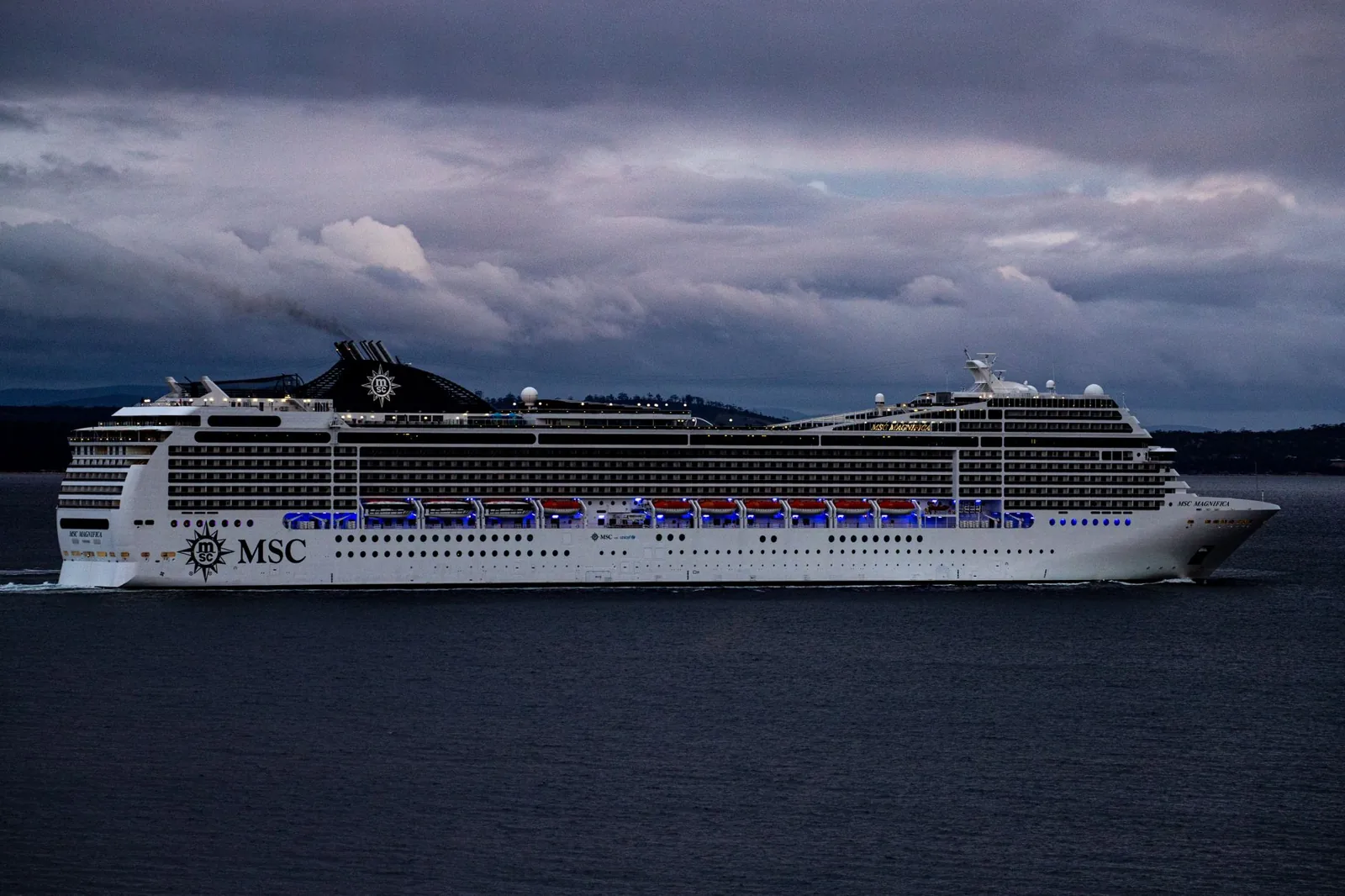
Photo by Heather Soo via Pexels
Small Ships: Under 1,000 Passengers
Small ships — roughly 100 to 999 guests — are where you find the luxury lines and expedition operators: Seabourn (450–600 guests), Silversea (roughly 600–730), Windstar (148–342), and Viking Ocean (930 across its near-identical fleet). A handful of ultra-luxury yachts carry under 300.
The defining trait isn’t the ship itself, it’s the itinerary. Because these vessels draw little water and need no giant terminal, they slip into harbors the big ships can’t touch: Kotor in Montenegro, Santorini via tender, Bordeaux up the Garonne River, and small Caribbean hideaways like St. Barts. On a small-ship sailing, ports are the point.
On board, expect a quieter, more adult atmosphere. There are no water slides or bumper cars — instead you get open-seating dining, lectures from destination experts, and crew who learn your name by day two. Cabins skew larger, and many lines run all-inclusive with drinks and gratuities folded into the fare.
That convenience costs real money. Small-ship cruises on Seabourn, Silversea, or Regent Seven Seas routinely run $400 to $1,000 or more per person per night, even before shore excursions. If you’re comparing that against a mainstream sailing, our breakdown of the cruise cost per person lays out exactly where the difference comes from.
Mid-Size Ships: 1,000 to 2,500 Passengers
The mid-size bracket — roughly 1,000 to 2,500 guests — is the sweet spot for a lot of repeat cruisers. This is Celebrity’s Edge-class and Solstice-class ships (2,850 to 3,260 at max), Holland America Line (1,400 to 2,650), Oceania (670 to 1,250), and Azamara (around 700).
You get meaningful choice here — four or five restaurants, a real theater, a proper spa, maybe one or two pools — without the sense of being herded. Lines for tenders and elevators are short, and you can still find a quiet corner on a sea day. It’s the “nice hotel with options” tier.
Pricing lands between the extremes. Celebrity and Holland America typically start around $150 to $350 per person per night for an inside cabin, rising sharply for suites. That’s pricier than the mass-market giants but far cheaper than the small-ship luxury lines — and for many travelers it’s the best ratio of comfort to cost.
Large Resort Ships: 2,500 to 4,500 Passengers
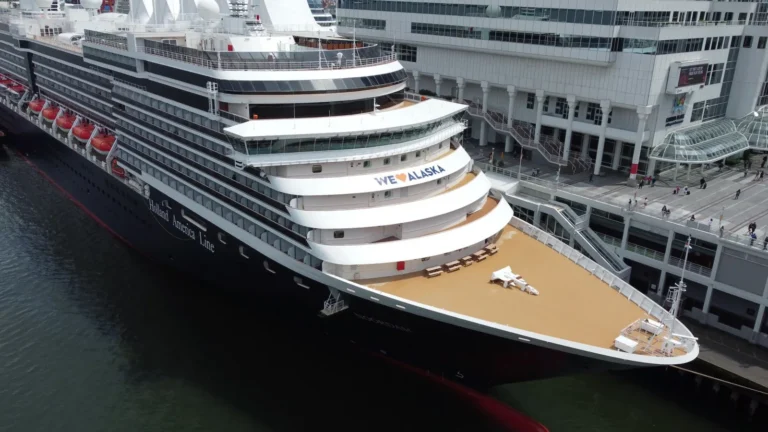
This is the classic mainstream family cruise, dominated by Carnival, Royal Caribbean’s mid-tier classes, Norwegian, Princess, and MSC. Ships like Carnival’s Mardi Gras (180,800 GT, ~5,200 guests at max) or Princess’s Royal class (around 142,000 GT, ~3,560 guests) sit squarely here.
Large resort ships are engineered to keep 3,000-plus people entertained. Expect multiple pools, water slides, kids’ clubs split by age group, a casino, specialty restaurants (steakhouse, Italian, sushi), and Broadway-style or acrobatic production shows. There’s genuinely something for everyone, from toddlers to grandparents.
The trade-off is crowds and noise. Embarkation, the buffet, and the pool deck all get busy, especially on sea days and school holidays. If you want the onboard entertainment without the heaviest crowds, a large ship is the standard recommendation for families — but for a full side-by-side of the two most popular family lines, see our Disney Cruise vs. Royal Caribbean comparison.
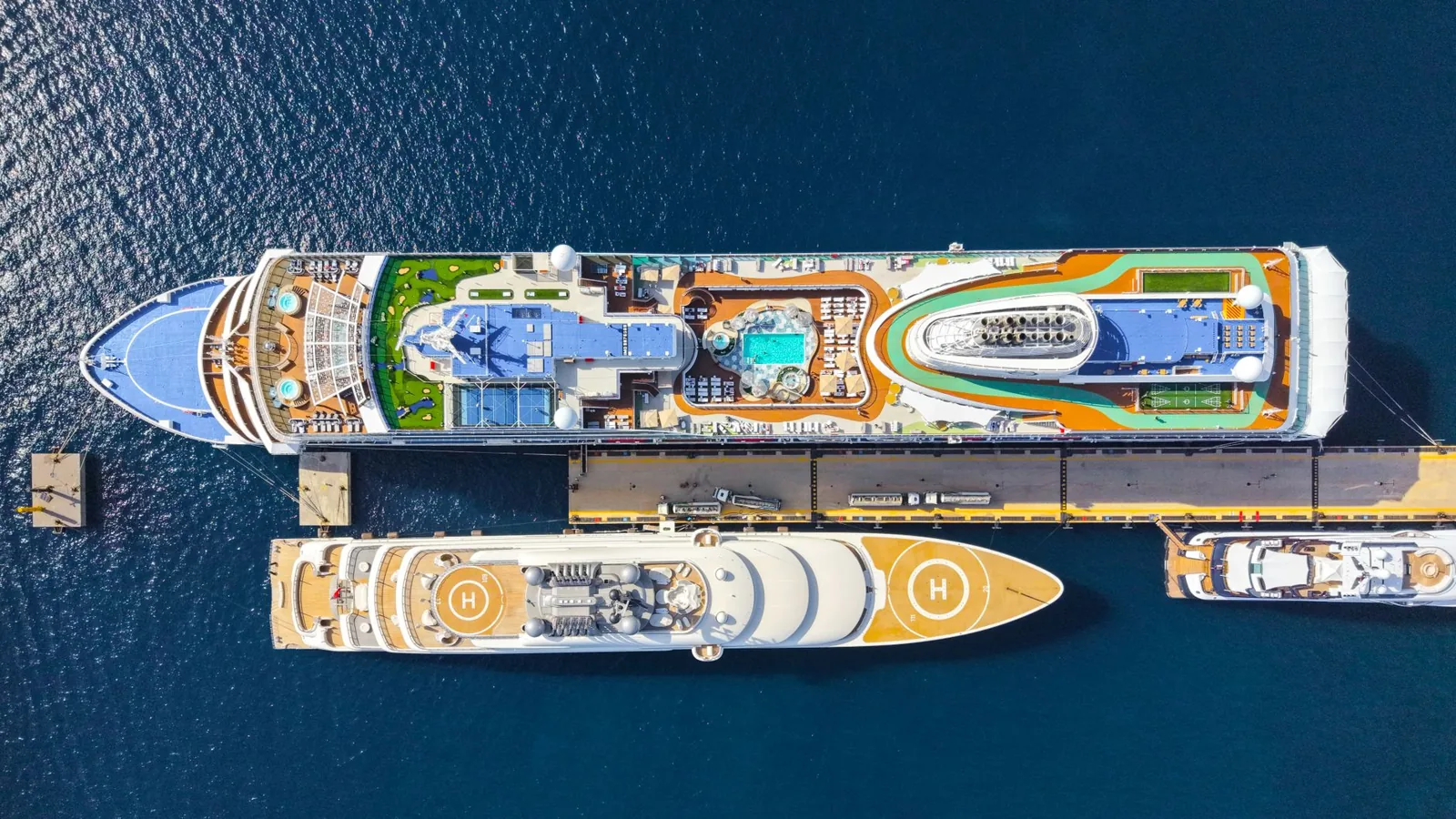
Photo by Muhammed Gunduz via Pexels
Mega Ships: 4,500 Passengers and Up
Mega ships are the headline-grabbers. Royal Caribbean’s Oasis class (Oasis, Allure, Harmony, Symphony, Wonder, Utopia of the Seas) runs 225,000 to 236,857 GT and carries 5,400 to 6,900 passengers. The current record-holder is Icon of the Seas — 250,800 GT, 1,198 feet long, 20 decks, up to 7,600 guests — launched in January 2024.
These ships are organized into “neighborhoods”: Central Park with live trees, the Boardwalk with a carousel, an ice rink, a zip line, surf simulators, and water parks with record-breaking slides. On Icon of the Seas you’ll find eight distinct zones plus more than 40 dining and drinking venues. The ship genuinely is the destination.
That scale has downsides. The busiest venues run on reservations, and popular attractions can carry wait times. Port days involve thousands of people funneling through security, and mega ships are too large for smaller harbors, so itineraries skew toward big purpose-built terminals in places like Cozumel, Nassau, and Perfect Day at CocoCay. If you’re weighing a mega ship’s premium against your budget, how much cruises actually cost breaks down the real out-the-door numbers.
How Ship Size Affects Your Cruise Experience
Size isn’t just a fun fact — it directly changes your trip in five practical ways.
- Cost per person. Small luxury ships cost the most per night; mega ships deliver the most square footage and activities per dollar. Base fares on mega ships often run $100 to $200 per person per night, before drinks, dining upgrades, and gratuities.
- Ports and itineraries. Small and mid-size ships reach smaller, more unusual ports. Mega ships need deep-water terminals, which pushes them toward the same heavily trafficked stops.
- Crowds and lines. Bigger ships mean more people, but they also spread them across more venues. Small ships feel emptiest per square foot but have the fewest diversions.
- Onboard amenities. If you want an ice rink, a surf simulator, and a 10-slide water park, only mega ships deliver. Small ships trade all of that for quiet decks and open sea views.
- Motion and seasickness. Larger, longer ships generally ride more smoothly in rough seas. If you’re prone to motion sickness, a bigger ship with a lower, mid-ship cabin is usually the safer bet.
Frequently Asked Questions
What is the biggest cruise ship in the world?
Royal Caribbean’s Icon of the Seas, launched in 2024, is the largest at 250,800 gross tons and 1,198 feet long, carrying up to 7,600 passengers. The line’s Oasis-class ships are close behind at 225,000 to 236,857 gross tons.
Are smaller cruise ships more expensive?
Usually, yes — but it’s a different product. Lines like Seabourn, Silversea, and Regent bundle drinks, gratuities, and often shore excursions into fares that run $400 to $1,000-plus per person per night. You pay for intimacy, service, and unusual ports rather than flashy onboard attractions.
What size ship is best for a first cruise?
Most travel advisors point first-timers toward a mid-size or large ship in the 2,000 to 3,500 range. You get enough restaurants, shows, and activities to sample what cruising offers, without the overwhelming scale and crowds of a mega ship.
Do mega ships feel more crowded than small ships?
Not necessarily per square foot — modern mega ships are designed with huge public spaces. But you’ll notice crowds at embarkation, in the buffet at peak times, and around popular attractions. Small ships feel quieter overall but have far fewer venues to spread into.
Are big ships less likely to cause seasickness?
Yes. Longer and heavier ships with modern stabilizers tend to move less in rough seas, so a mega ship is often the more comfortable choice for anyone worried about motion sickness.
The Bottom Line
The right ship size comes down to what you’re actually buying. Pick a small or mid-size ship if you care most about unusual ports, relaxed pacing, and service — and you’re willing to pay more per night. Pick a large or mega ship if you want maximum choice, family-friendly attractions, and the best amenities per dollar.
There’s no single “best” size, only the best fit for your travel style and budget. Run your own cruise ship size comparison using the numbers above, nail down what you’re willing to spend, and you’ll shortlist the right category in minutes. For more detail on the dollars and cents, Cruise Critic’s ship reviews and The Points Guy’s cruise guide are solid places to dig deeper before you book.