RV Rental vs Buying: Which Actually Costs Less?
The rv rental vs buying debate trips up more first-time travelers than any other planning question. On paper, renting looks expensive — a week in a Class C motorhome can run $1,400 to $2,200 through majors like Cruise America or El Monte RV, plus mileage and generator fees. But buying carries its own quiet costs that rarely make it into the sticker price. This guide runs the real numbers so you can pick the side that fits your travel habits instead of guessing.
The short version: if you plan to use an RV more than about four to six weeks a year, buying usually wins on total cost of ownership. If you’re testing the lifestyle or taking one big trip a season, renting almost always comes out ahead. The math below shows exactly where that line sits.
What a Week of RV Rental Actually Costs
Rental quotes look simple until you read the fee schedule. Most platforms advertise a base nightly rate and list the add-ons separately, which is why two seemingly identical quotes can land hundreds of dollars apart.
A typical week on a mid-size Class C in peak season breaks down like this:
| Fee | Amount (7 nights) |
|---|---|
| Base rate ($160–$240/night) | $1,120–$1,680 |
| Mileage (many plans bill per mile over 100/day) | $150–$400 |
| Generator use ($3–$5/hour) | $60–$100 |
| Cleaning and prep fees | $50–$150 |
| Kitchen/linen kits | $50–$100 |
On RVshare or Outdoorsy, peer-to-peer listings often undercut commercial fleets, but insurance and damage-deposit terms vary a lot between owners. Always compare the total out-the-door price, not the headline nightly rate. For a deeper breakdown, see our RV rental cost per week guide.
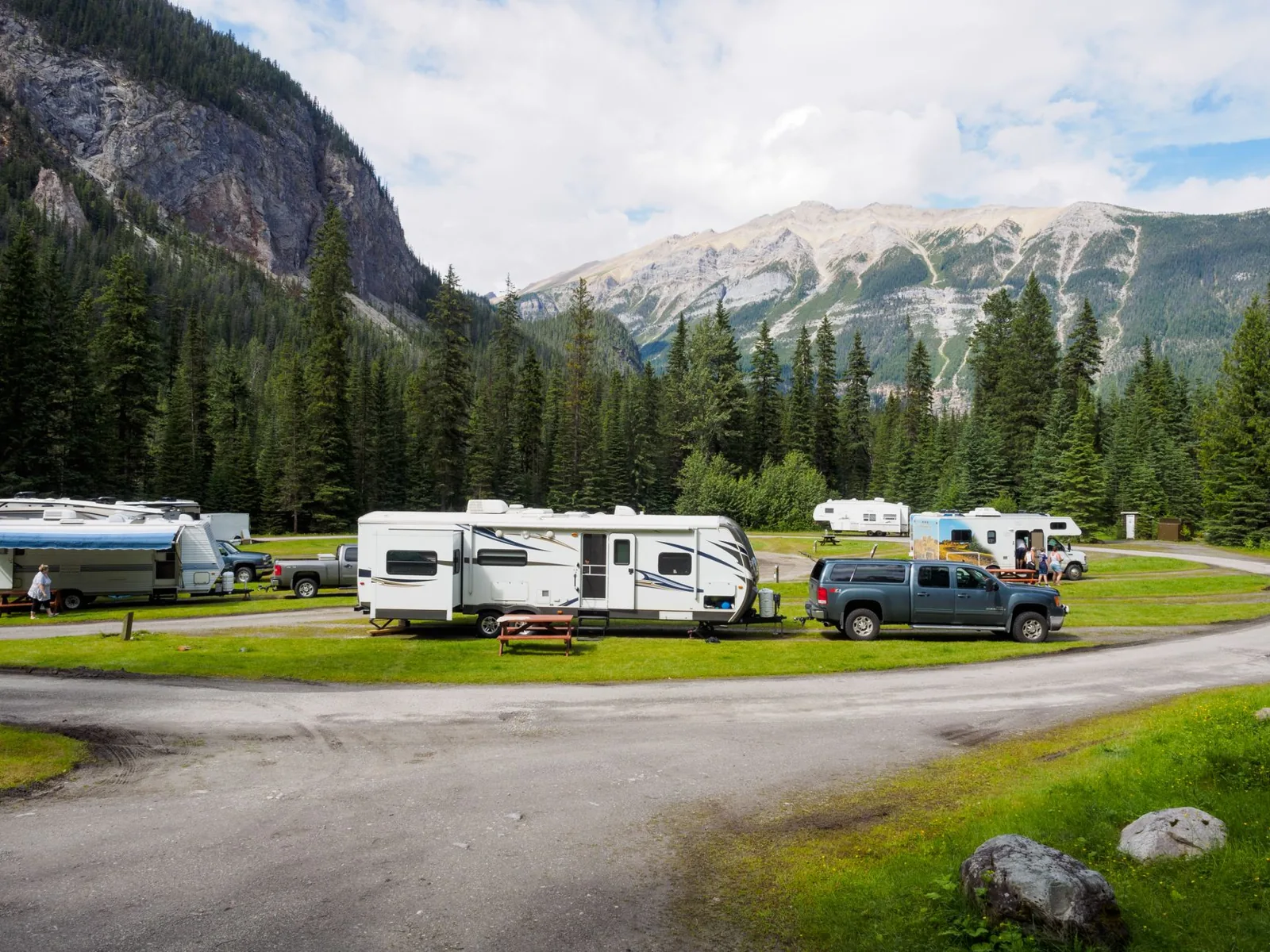
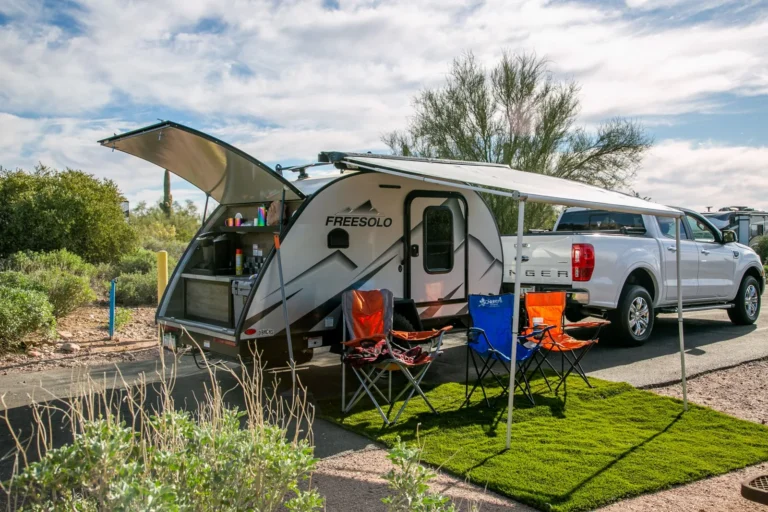
Photo by IslandHopper X via Pexels
The True Cost of Owning an RV
Buying looks like a one-time payment, but owners pay every month whether the RV moves or not. Here is what the first year of ownership realistically costs.
The Purchase and Depreciation
A new Class C motorhome runs roughly $60,000 to $140,000, while a new travel trailer comes in around $20,000 to $45,000. Depreciation is the single biggest hidden cost — RVs typically lose 20% to 30% of their value in the first few years. A $90,000 motorhome can shed $18,000 to $27,000 in value before you’ve driven it out of warranty.
Insurance, Registration, and Storage
RV insurance runs about $1,000 to $3,000 per year depending on the rig’s class and your driving record. Registration and taxes add several hundred more in most states. Storage is where many owners get surprised: covered storage at an RV lot costs $75 to $250 a month, or $900 to $3,000 a year, in cities and suburbs where driveway parking isn’t an option.
Maintenance and Repairs
An RV combines a vehicle and a house, and both need upkeep. Budget 1% to 2% of the purchase price per year for maintenance — that’s $900 to $2,800 on most mid-size rigs. Roof resealing, tire replacement every five to seven years, slide-out repairs, and winterization all add up, and a single water-damage repair can run into the thousands.
Financing Changes the Math
Most buyers don’t pay cash, and the loan quietly reshapes the comparison. RV loans through lenders like Good Sam or your local credit union often stretch 10 to 15 years, which keeps monthly payments low but means you’ll pay interest for a long stretch. On a $75,000 motorhome financed at 7% over 12 years, that’s roughly $770 a month — about $9,200 a year — before insurance, storage, and maintenance ever enter the picture. When you add the full stack, a financed RV can cost more than $15,000 a year even if it never leaves the driveway. Renters skip all of that, which is precisely why the annual-use crossover matters so much.
Rental vs Buying: The Side-by-Side Math
Here’s a direct comparison for two travelers making different decisions.
| Factor | RV Rental | RV Buying |
|---|---|---|
| Upfront cost | ~$2,000–$3,000 per week | $20,000–$140,000 |
| Annual fixed costs | $0 | $2,000–$6,000+ (insurance, storage, registration) |
| Depreciation | None (paid via fees) | 20–30% in first years |
| Maintenance burden | Handled by owner/fleet | All on you |
| Customization | None | Full |
| Best for | 1–4 trips a year | Full-time or frequent use |
The crossover point lands around four to six weeks of annual use. At that pace, the money you’d spend on rentals each year starts to match what ownership costs in depreciation, insurance, storage, and maintenance — before you ever count the loan payment.

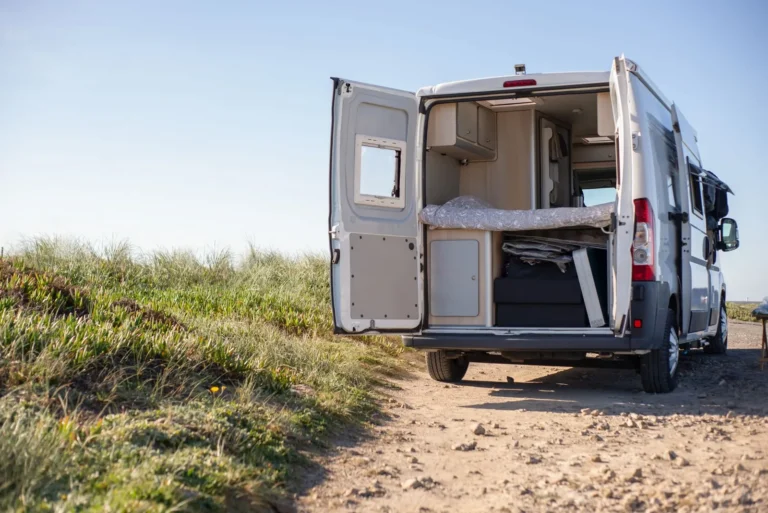
Photo by Negative Space via Pexels
When Renting Is the Smarter Call
Renting wins in a few clear situations, and it’s worth naming them plainly.
- You’re new to RV travel. A rental lets you learn whether you actually enjoy driving a 30-foot rig before you commit $60,000.
- You travel once or twice a year. Spreading $90,000 of depreciation across two weeks of annual use makes ownership painfully expensive per mile.
- You live where storage is costly or unavailable. Monthly lot fees in urban areas can exceed your entire annual rental budget.
- You want variety. You can rent a compact campervan for a couple’s weekend in June and a Class A for a family trip in August.
If your trips lean shorter and more urban, it’s also worth comparing an RV against plain lodging — see RV rental vs hotel to see when a hotel room actually beats the campground.
When Buying Is Worth It
Ownership earns its keep for people who actually use an RV.
- You travel six weeks or more each year. At that volume, the per-trip cost of ownership drops below rental rates.
- You want it customized. Solar panels, an upgraded mattress, a desk for remote work — renters get whatever the owner provides, buyers get to choose.
- You plan to live or work from the road full time. Financing spreads the cost, and your home and vehicle become one payment.
- You camp spontaneously. Once you own, a weekend trip costs fuel and campsite fees, not a rental booking.
One more angle worth considering: buyers who use the RV heavily can offset costs by renting it out during idle weeks. Listing a motorhome on Outdoorsy during peak season can recover $1,500 to $3,000 per rental, which turns the rig from a pure expense into a slow side income. It won’t make an RV free, but for disciplined owners it can drag the annual crossover point well below four weeks.
Before you commit to a motorhome, it’s worth comparing the classes. Our Class A vs Class C RV guide breaks down the drivability and price differences, and if a towable is on your radar, the travel trailer cost breakdown spells out what to expect.
Frequently Asked Questions
Is it cheaper to rent or buy an RV?
For most people who travel one to four weeks a year, renting is cheaper. Buying only becomes the better deal once you use the RV regularly enough — roughly six or more weeks annually — to offset depreciation, insurance, storage, and maintenance.
How much does it cost to rent an RV for a week?
Expect $1,400 to $3,000 all-in for a week, depending on the RV class, season, and its mileage and generator fees. Peer-to-peer rentals through RVshare or Outdoorsy can run a bit lower, but insurance terms vary.
What hidden costs come with buying an RV?
Depreciation is the biggest — 20% to 30% in the first few years. Insurance ($1,000–$3,000 a year), storage ($75–$250 a month), and maintenance (1–2% of purchase price annually) follow. Budget for all of them before signing.
Is there an in-between option?
Yes. Some dealers offer rent-to-own programs, and platforms like RVshare let owners rent out their rig to offset costs. You can also buy a used RV — NerdWallet’s guide to RV buying covers financing pitfalls worth reading first. (Plenty of first-time buyers also test the lifestyle by renting a few weekends before committing.)
How long does it take for owning to pay off?
Typically four to six weeks of annual use, which usually means two to four years of consistent travel before ownership clearly beats renting. The crossover arrives faster if you buy used or live in an area with cheap storage.
The Bottom Line
The rv rental vs buying decision comes down to one honest question: how many nights will you actually spend in it each year? Under roughly four to six weeks annually, rental fees are the cheaper, lower-risk route — you get the full experience with none of the depreciation, storage, or maintenance obligations. Past that threshold, ownership’s per-night cost falls and the freedom to customize and leave on short notice starts paying you back.
Start with a rental for a longer trip and track your real mileage, nights, and total spend. If you come home already planning the next one, the numbers will tell you clearly whether it’s time to buy. For the full picture on what a rig costs to operate week by week, head to our RV rental cost per week guide, or explore how the whole road-trip budget shakes out in our van life cost breakdown.