Van Life Cost: What Living in a Van Really Costs Per Month
The van life cost question is the first one everyone asks, and it rarely has a clean answer. You’ll see influencers claiming they live on $500 a month, and you’ll see fully loaded Sprinters parked at $200,000 campsites that cost more than a mortgage. The truth sits somewhere in the middle, and it depends almost entirely on three things: what you drive, where you park, and how fast you move.
As a working number, most people living in a van full-time spend between $1,000 and $2,500 a month on top of whatever they paid for the rig itself. Frugal weekenders and slow travelers can get closer to $800, while couples moving every day and staying in paid campgrounds can blow past $3,000 without much effort.
This guide breaks the van life cost down line by line — the van, the monthly bills, the hidden fees, and the budget you should actually build — so you can decide whether the lifestyle pencils out for you.
What the Average Van Life Cost Looks Like
Before you romanticize the open road, it helps to split the van life cost into two separate piles: the one-time cost of the van itself and the ongoing monthly cost of living in it. Most people fixate on the first and underplan the second.
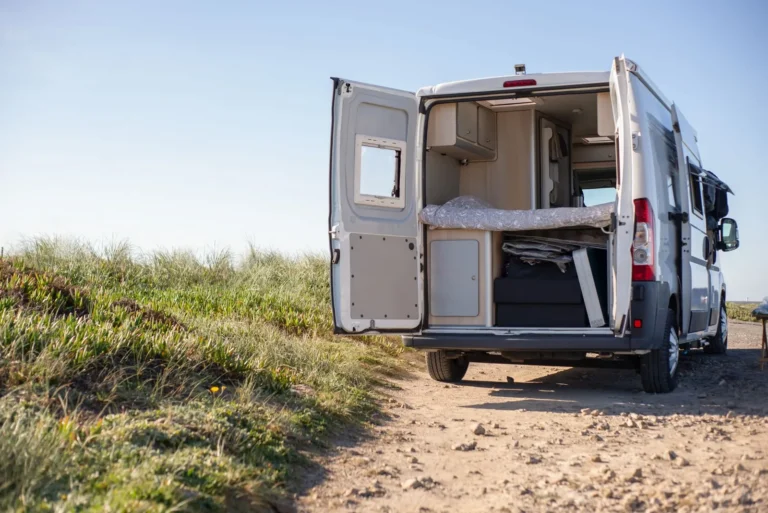
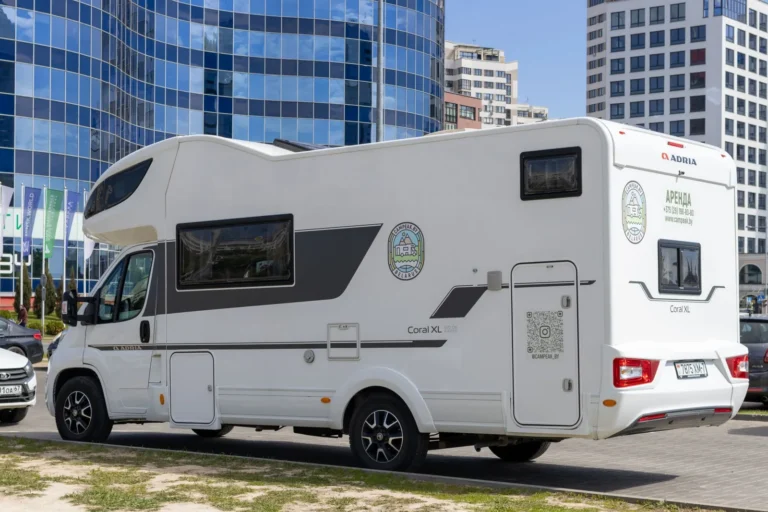
The van is the big, obvious expense. A used cargo van runs $15,000 to $35,000. A DIY conversion adds $5,000 to $20,000 in materials, wiring, insulation, and furniture. A professionally built-out van from a company like Outside Van or Boho Camper Vans costs $40,000 to $150,000 on top of the vehicle, and a brand-new Class B motorhome from Winnebago or Airstream starts around $120,000 and climbs past $200,000 fast.
The monthly side is what actually decides whether the lifestyle is cheaper than rent. That breaks down like this:
- Frugal (slow travel, boondocking, DIY everything): $800–$1,200 per month
- Middle (mix of free camping and paid sites, normal pace): $1,500–$2,500 per month
- Comfortable (paid campgrounds, eating out, full hookups): $3,000–$4,500 per month
A useful rule of thumb: your van life cost will roughly match your home budget minus rent, if you stay disciplined — and exceed it quickly if you treat the trip like a permanent vacation.
The Upfront Cost of the Van Itself
The rig is where van life gets expensive or stays cheap, and the range is enormous. Here’s how the four most common setups compare.
| Feature | Used Cargo Van + DIY | Used Class B | New Class B (Sprinter) | Full Custom Build |
|---|---|---|---|---|
| Typical upfront cost | $20,000–$45,000 | $40,000–$80,000 | $120,000–$200,000+ | $80,000–$250,000+ |
| Build time | 3–12 months of your labor | None | None | 6–18 months with a builder |
| Standing height | Usually not (needs roof mod) | Yes | Yes | Yes |
| Reliability | Depends on donor van | Variable (older systems) | New, under warranty | New, under warranty |
| Best for | Hands-on budget builders | Buyers who want turnkey value | Financed, low-effort living | High earners with specific needs |
The DIY route is genuinely the cheapest way in, but it has a hidden price: time. A full conversion of a Ford Transit, Ram ProMaster, or Mercedes Sprinter commonly takes hundreds of hours, and builds stall out. If you value your weekends at anything, a used Class B can end up cheaper than your own labor plus the tools you buy along the way.

Photo by Clement Proust via Pexels
If you’re still deciding whether to own at all, our comparison of RV rental vs buying walks through the break-even math, and what an RV rental costs per week is a good reality check if you want to test the lifestyle before committing.
Van Life Cost by Monthly Category
Once the van is yours, the monthly van life cost is a repeatable spreadsheet of eight or so categories. Here’s a realistic range for each, based on current prices.
- Fuel: $150–$450. Vans get 12–20 mpg; at $3.50 a gallon and 300–1,200 miles a month, fuel is one of your biggest moving-target costs.
- Camping and parking: $0–$1,200. Boondocking on Bureau of Land Management (BLM) and national-forest land is free; private campgrounds run $30–$70 a night; resorts run more.
- Food: $300–$600. Cooking in the van keeps this near grocery-bill territory; eating out pushes it to $800+.
- Insurance: $80–$250. A converted van needs a policy that covers the build, usually through Progressive, Roamly, or Good Sam.
- Phone and internet: $60–$150. One unlimited phone plan plus a second hotspot or Starlink Roam ($90–$165/mo) covers most remote work.
- Maintenance and repairs: $50–$300. Older vans need more; budget a monthly sinking fund, not a hope.
- Propane, water, and dump fees: $20–$80. Propane refills, potable water, and occasional septic dump at RV stops.
- Laundry, showers, and gym: $25–$80. A Planet Fitness membership (about $25/mo) is the classic van-lifer shower hack.
- Vehicle payment (if financed): $0–$800. A financed new Sprinter can carry a $500–$900 monthly note for five to seven years.
A couple living carefully can hold the total near $1,000 a month before any van payment. Add a financed van, faster travel, and comfort spending, and $3,000 is easy to hit.
Camping: The Biggest Monthly Variable
Where you park is the single biggest lever on your van life cost, and it swings from literally free to luxuriously expensive.
Free and nearly free camping
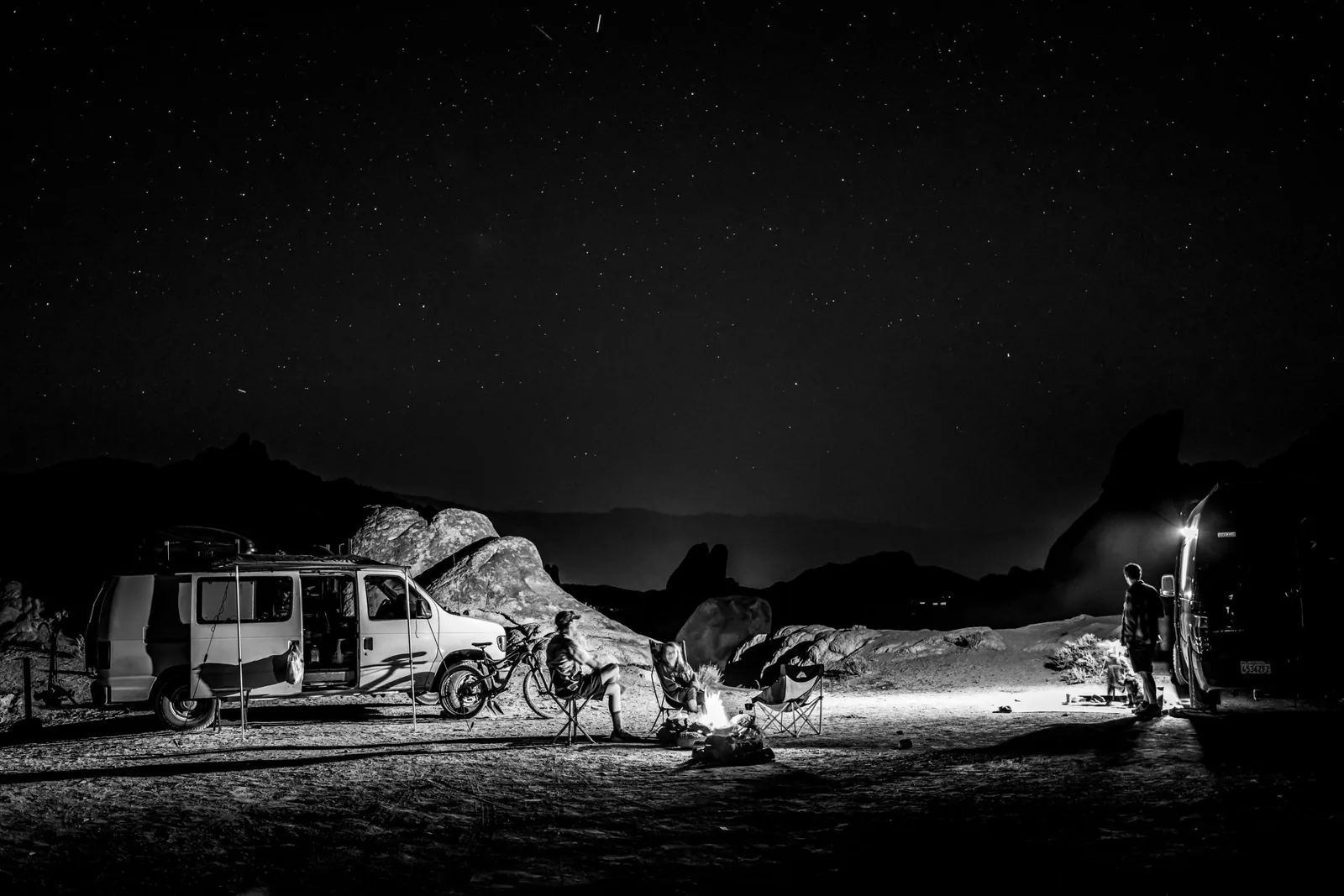
The cheapest nights are on public land. The BLM and U.S. Forest Service allow dispersed camping for free in most areas, with a 14-day limit per spot. Walmart, Cracker Barrel, and some truck stops still allow overnight stays, though policies vary by location. Freecampsites.net and iOverlander are the apps that map all of it.
The trade-off is the absence of hookups. No electricity, water, or sewer means you rely on solar, your water tank, and your own bathroom — which is exactly why the build quality matters so much.
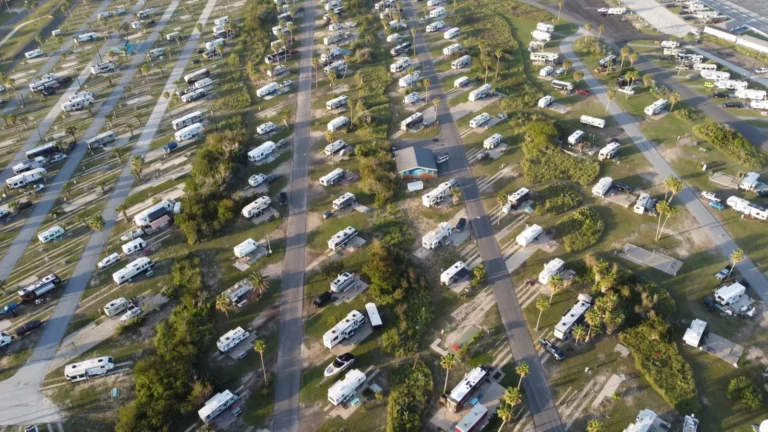
Paid campgrounds and RV parks
Paid camping runs $25–$70 a night for a basic site and $80–$150 for a resort with full hookups, Wi-Fi, and laundry. Private membership clubs like Harvest Hosts ($99/year) let you stay free at wineries, farms, and golf courses with the expectation that you buy something. National-park campgrounds are an inexpensive middle ground at $20–$40 a night if you can score a reservation.
The math is stark: 30 nights of boondocking costs nothing, while 30 nights at a $60 private campground runs $1,800 a month. Most van lifers blend the two to keep the total reasonable.

Photo by Dagmara Dombrovska via Pexels
Two Real Monthly Budget Examples
Concrete numbers beat percentages. Here’s what two realistic scenarios actually cost per month.
| Monthly line item | Slow traveler (boondocking) | Active traveler (paid camping) |
|---|---|---|
| Fuel | $180 | $400 |
| Camping | $0 | $1,050 ($35/night) |
| Food | $350 | $550 |
| Insurance | $110 | $110 |
| Phone/internet | $80 | $150 |
| Maintenance fund | $100 | $100 |
| Showers/laundry | $30 | $40 |
| Propane/water/dump | $30 | $50 |
| Total (no van payment) | $880 | $2,450 |
Both people drive the same van. The $1,570 gap is almost entirely parking and pace. That is the whole van life cost story in one table: the lifestyle doesn’t have a single price tag because the variables dominate the fixed costs.
Hidden Costs That Catch New Van Lifers
A few expenses ambush people in their first six months on the road.
- Repairs on older rigs. A $15,000 van with 180,000 miles will need things — alternators, brakes, tires, eventually transmission work. Budget $100–$300 a month into a repair fund so a $2,000 surprise doesn’t end the trip.
- Domicile and mail. Full-timers need a legal address for insurance, registration, and voting. Mail-forwarding services like Escapees or Traveling Mailbox run $10–$25 a month.
- Health insurance. On the road, you’re still buying coverage. Marketplace plans for a single adult often run $150–$450 a month depending on your income and home state.
- Annual passes and memberships. America the Beautiful pass ($80/year), Harvest Hosts ($99/year), and the gym membership add up in one annual lump.
- The “we should just eat out” spiral. Parked next to a good restaurant in a walkable town, it’s easy to burn $50 a day. This one line item flips a $1,500 month into a $2,500 month faster than any other.
How to Lower Your Van Life Cost
Most van lifers who keep costs down follow the same handful of habits.
- Chase free camping first. Build your route around BLM land, national forests, and Harvest Hosts, and treat paid campgrounds as the exception, not the rule.
- Move slower. Fuel is your biggest daily leak. Staying two weeks per spot instead of two nights can cut your monthly fuel bill in half.
- Cook in the van. A good stove and a 12V fridge pay for themselves in a month of skipped restaurants.
- Buy a slightly older, well-maintained van. The depreciation on a brand-new Sprinter is brutal; a five-year-old van with a documented service history is the value sweet spot.
- Insure the build, not just the van. A standard auto policy won’t cover a $20,000 conversion if it’s stolen or totaled. Tell your insurer what you built.
- Track everything for three months. Fuel, food, camping, and repairs on one spreadsheet will reveal where your money actually goes — usually somewhere other than you assumed.
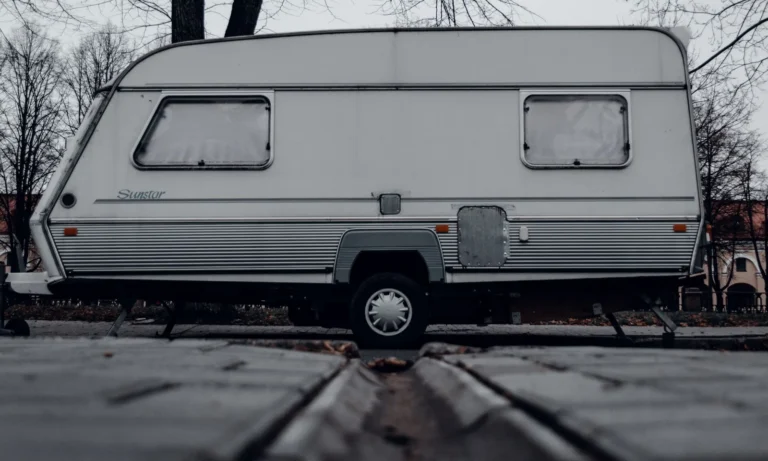
If a full conversion feels like more than you need, compare the numbers against a smaller Class C RV cost or a travel trailer cost. A towable trailer plus the vehicle you already own can undercut a van build on price for many people.
Frequently Asked Questions
How much does van life actually cost per month?
Plan on $1,000–$2,500 per month after you own the van. Budget travelers boondocking and cooking at home can stay near $800; couples moving daily and using paid campgrounds often pass $3,000 before any vehicle payment.
Is van life cheaper than paying rent?
It can be, but it isn’t automatic. If your rent is $2,000 a month and you live in the van for under $1,500 all-in, you’re ahead. If you finance a $150,000 build and stay in $60-a-night campgrounds, a van can cost more than an apartment. The savings come from free camping and no van payment, not from the lifestyle itself.
How much does it cost to convert a van?
A DIY conversion of a used cargo van typically costs $5,000–$20,000 in materials on top of the $15,000–$35,000 vehicle. Professional conversions range from $40,000 to $150,000 or more for the build work alone.
What is the cheapest way to camp in a van?
Dispersed camping on BLM and national-forest land is free, with a 14-day limit per spot. Harvest Hosts ($99/year) adds free overnight stays at wineries and farms. National-park campgrounds run $20–$40 a night as a middle option.
Do you need special insurance for van life?
Yes. A standard auto policy covers the vehicle but not a conversion build-out. Insurers like Roamly, Progressive, and Good Sam write policies that cover both, typically for $80–$250 a month.
The Bottom Line
A realistic van life cost is $1,000–$2,500 a month once the van is paid for, with the spread driven by how often you move and whether you pay for camping. Frugal boondockers get under $1,000; comfort-focused travelers blow past $3,000. The van itself costs anywhere from $20,000 for a DIY cargo-van build to $200,000 or more for a new Class B.
The cheapest version of van life is also the slowest and most self-sufficient — the same qualities most people cite as the reason they want to live on the road in the first place. Price the rig honestly, park free when you can, and track your spending for a few months. Do that and the lifestyle is genuinely achievable on a normal budget. For current market prices on vans and rentals, check RVshare and NerdWallet before you commit.