
Class C RV Cost: New, Used, and Yearly Ownership Prices
If you’re shopping for your first motorhome, the class c rv cost question is usually the one that decides everything else. Class C RVs are the most popular motorhome class in North America for a reason: they split the difference between a spacious Class A and a nimble camper van, and their price tags sit right in the middle of those two extremes. But the sticker price is only the opening number. Between financing, insurance, fuel, maintenance, and campground fees, the real cost of owning a Class C runs well past the number on the dealer’s lot.
This guide breaks down what you’ll actually pay — new, used, and year over year — so you can walk into a dealership (or onto a rental lot) with a realistic budget instead of a guess.
What Is a Class C RV?
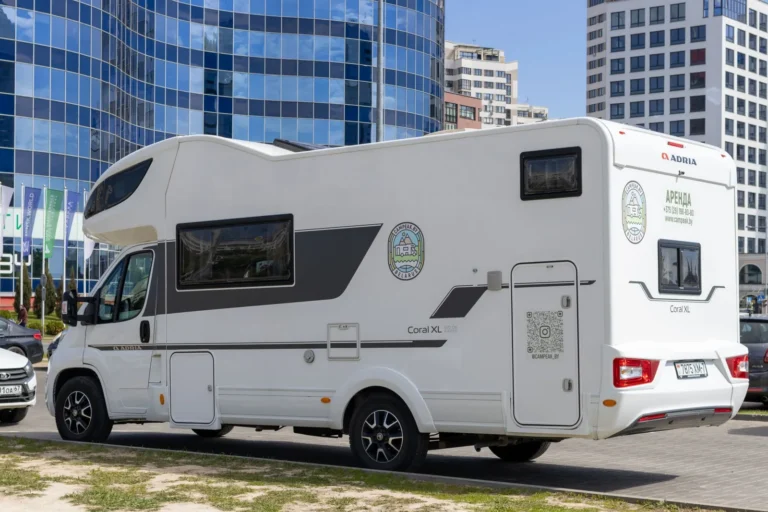
A Class C motorhome is built on a cutaway van or truck chassis, which means the factory keeps the original cab (usually a Ford E-Series or Ford Transit, or a Mercedes-Benz Sprinter for smaller “B-plus” models) and bolts a wider living box onto the back. The most recognizable feature is the over-cab section — the “brow” over the windshield that houses either a bunk bed or an entertainment nook. Most Class Cs run 20 to 33 feet long and sleep four to eight people, which is why they dominate the family RV market.
Big-name builders include Thor Motor Coach, Winnebago, Jayco, Forest River, and Coachmen. Each produces a huge range of floor plans, and that range is exactly why Class C prices swing so widely.
New Class C RV Cost
A brand-new Class C motorhome in 2026 typically lands between $60,000 and $200,000, depending on length, chassis, and how loaded the floor plan is. Here’s how that breaks out:
- Entry-level (20–24 ft, gas): $60,000–$90,000. Models like the Thor Chateau 22E or a compact Winnebago Minnie Winnie fall here. These are two-person-plus-kids rigs with a cab-over bunk, a wet bath, and basic finishes.
- Mid-range (24–30 ft, gas): $90,000–$140,000. This is the sweet spot for families — a Jayco Greyhawk or Forest River Forester with a slide-out, a separate bedroom, and a larger kitchen.
- Premium and B-plus (Sprinter chassis or diesel): $140,000–$200,000+. Coachmen Cross Trail, Winnebago Navion, and Mercedes-Benz-based “Super C” or B-plus units live here, along with most diesel options.
MSRP is a starting point, not the price you pay. Dealers routinely discount 20–25% off MSRP, and end-of-model-year units can go deeper. Still, even the cheapest new Class C costs more than most people expect — which is why the used market matters so much.
Used Class C RV Cost
Depreciation hits Class Cs hard in the first few years, and that’s good news for buyers. A well-maintained three- to five-year-old Class C typically sells for 35–50% less than its original MSRP, so a rig that stickered at $120,000 might list for $60,000–$75,000.
Realistic used price bands:
- Under $30,000: Older units (10+ years) with high mileage, no slide-outs, or dated interiors. Fine for a budget trial run if you inspect carefully.
- $30,000–$70,000: The most active segment — five- to ten-year-old models with one slide, under 50,000 miles, and clean maintenance records.
- $70,000–$120,000: Nearly new units, low-mileage diesel B-plus models, and recent floor plans still under factory warranty.
| Feature | New Class C | Used Class C (3–5 yrs) |
|---|---|---|
| Typical price | $60,000–$200,000 | $35,000–$90,000 |
| Warranty | Full factory coverage | Usually none (or limited) |
| Depreciation | You absorb the first big hit | Someone else already did |
| Financing rate | Often lower, promo rates | Higher, 1–2 points above new |
| Customization | Pick every option | Take what’s on the lot |
The trade-off is the one you’d expect: you save real money upfront on a used rig, but you give up the factory warranty and inherit whatever wear the previous owner left behind. If you’re new to RVs, a pre-purchase inspection by a certified RV tech (usually $300–$500) is the best money you’ll spend.

Photo by stein egil liland via Pexels
Class C RV Cost vs Other RV Classes
It’s worth anchoring the numbers against the rest of the market before you commit.
- Class A: $90,000–$500,000+. Bigger, diesel-pusher options, and dramatically more expensive to buy, fuel, and maintain. The Class C is the budget-friendly route to a full motorhome.
- Class B (camper van): $100,000–$200,000. Often more expensive than a comparable Class C because of the premium van chassis and the engineering required to pack a bathroom and kitchen into a van footprint.
- Travel trailer: $15,000–$60,000 for the trailer itself — far cheaper, but you also need a tow vehicle that can pull 5,000–10,000 pounds, which eats into the savings.
For most families, the Class C lands at a happy middle: motorhome convenience (no towing, walk-through access while driving) without Class A pricing. If you’re still deciding between the big two, our breakdown of the Class A vs Class C RV decision walks through the trade-offs in detail.
What Drives Class C RV Cost
If two Class Cs look similar but are priced $40,000 apart, one of these is usually the reason:
- Chassis and drivetrain. A Ford E-450 gas chassis is the workhorse standard; a Mercedes-Benz Sprinter diesel adds $15,000–$30,000. Diesels cost more to buy and service but hold value longer and return better fuel economy on hills.
- Length and slide-outs. Every slide-out adds $8,000–$15,000 in build cost and a big jump in livable space. A 32-footer with two slides will always list far above a 22-footer with none.
- Brand reputation. Winnebago, Jayco, and Thor command a premium over budget import-style builds, and they tend to have better dealer and parts networks to back it up.
- Floor plan and finishes. Solid-surface counters, residential fridges, lithium battery systems, and solar pre-wiring all stack cost quickly.

Photo by Simeon Stoilov via Pexels
The Hidden Class C RV Cost: Yearly Ownership
This is where budgets quietly unravel. Plan on these annual costs regardless of whether you finance or pay cash:
- Insurance: $800–$2,000 per year for a Class C, depending on value, full-timer vs. part-timer status, and driving record.
- Financing: On a $90,000 loan at 7–9% over 15 years, expect roughly $800–$900 a month. NerdWallet’s RV loan guide is a solid place to compare rates and terms before you sign.
- Fuel: A gas Class C gets 6–10 mpg. At 5,000 miles a year and $3.75/gallon, that’s roughly $1,900–$3,100 annually.
- Maintenance and repairs: Budget $1,000–$2,500 a year. Tires, oil changes, roof resealing, and the occasional appliance failure all add up.
- Campground fees: $30–$75 a night for hookups at private campgrounds, or $10–$40 at state and national parks. Two weeks of travel can run $500–$1,000.
- Storage: $50–$250 a month if you can’t park it at home — $600–$3,000 a year.
All told, a financed, frequently used Class C can cost $15,000–$25,000 a year once every line item is in. A paid-off rig used for a handful of long weekends might run closer to $5,000–$8,000. The spread is enormous, which is why an honest pre-purchase budget beats a hopeful one.
Renting Before You Buy
Given those numbers, many people test the lifestyle first. Renting a Class C for a week or two is the cheapest way to find out whether the floor plan you love on paper still works after day five of cooking, sleeping, and parking it. Weekly rental rates on Class Cs run roughly $150–$350 per night depending on season and location — we break the numbers down in our guide to RV rental cost per week. If the math still leans toward ownership after a few rentals, our RV rental vs buying comparison works through the break-even point for real mileage and nights-per-year figures.
Frequently Asked Questions
How much does a Class C RV cost on average?
A new Class C averages $80,000–$120,000 on the lot, while a used three- to five-year-old model averages $40,000–$75,000. Entry-level and premium models stretch both ends of that range.
Is a Class C RV cheaper than a Class A?
Yes, almost always. Comparable Class As start $20,000–$50,000 higher, and diesel-pusher Class As can run well past $300,000. The Class C is the more affordable path to a full motorhome.
What is the cheapest Class C RV you can buy?
Brand-new, the least expensive Class Cs start around $60,000. On the used market, an older, well-inspected model can be found for $25,000–$30,000, though it will likely lack slide-outs and modern features.
How much does it cost to maintain a Class C RV per year?
Expect $1,000–$2,500 annually for routine maintenance and repairs, plus $800–$2,000 for insurance and a few thousand more for fuel and campground fees if you travel often.
Is a Class C RV worth the money?
For families who take multiple trips a year, a Class C usually pays for itself in flexibility compared to hotels and flights — but only if you’ll actually use it. Occasional travelers are often better off renting.
The Bottom Line
The class c rv cost you should plan for is two numbers, not one: the purchase price — $60,000–$200,000 new, or $30,000–$90,000 used — and the $5,000–$25,000 a year it takes to own and run the thing. Buying at the top of your budget leaves nothing for the fuel, insurance, and campgrounds that make the RV worth having in the first place.
Our advice: set your real budget first, shop used or end-of-season new to keep depreciation in your favor, and rent for a week or two before you commit. Get those three steps right, and a Class C becomes one of the best-value ways a family can see North America — without the Class A price tag.