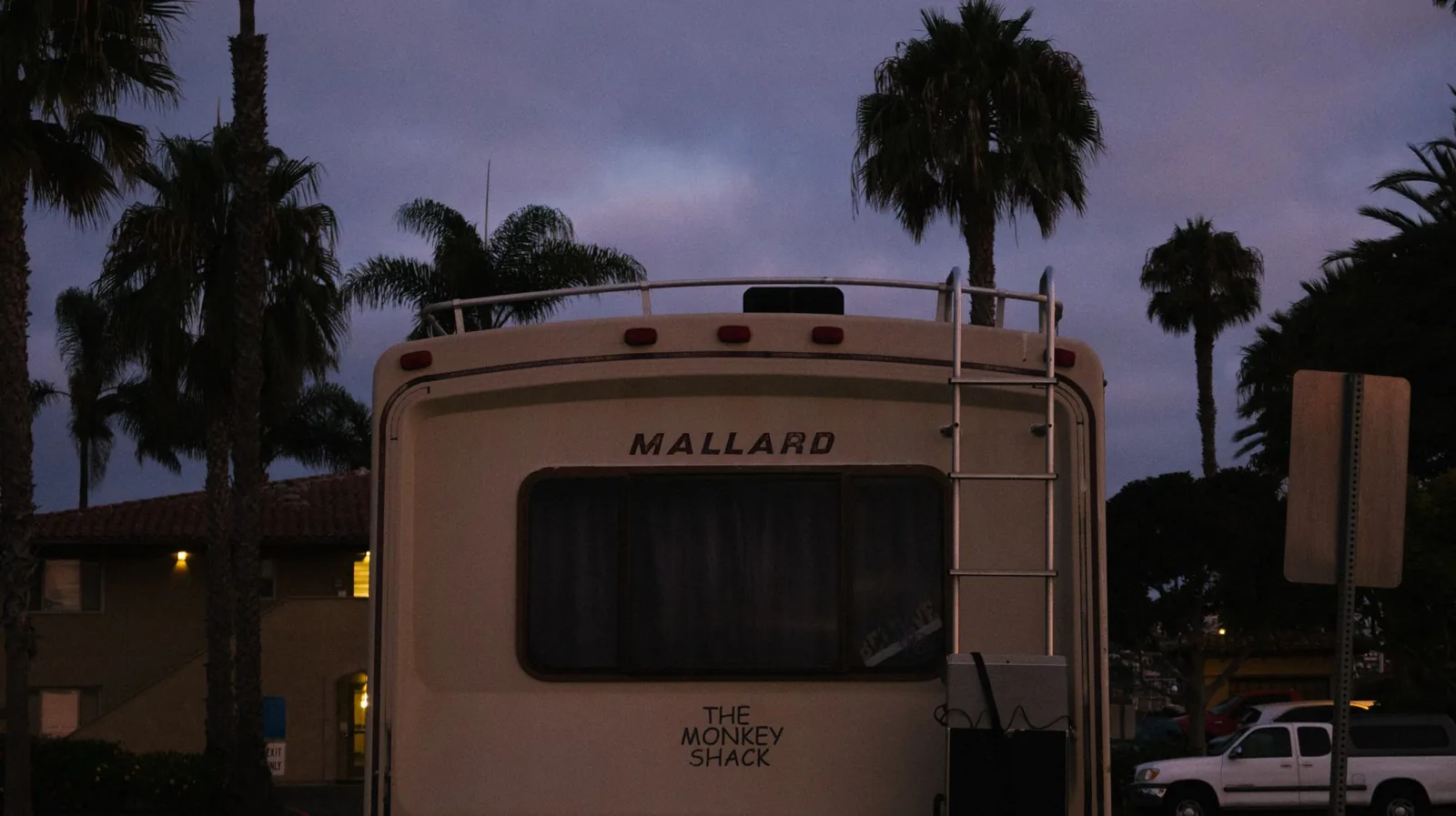
How Much Does It Cost to Rent an RV? A Real-World Price Guide
If you’re planning a road trip and wondering how much does it cost to rent an RV, the short answer is $75 to $450 per night, with most travelers landing between $150 and $275 for a mid-size motorhome. A full week typically runs $900 to $2,500 before taxes, mileage fees, and add-ons. The exact number swings wildly depending on the class of rig, the season, where you pick it up, and how far you drive.
The good news: RV rentals have never been more transparent, and you don’t need a six-figure motorhome to sleep a family comfortably. The bad news: the nightly rate you see in a listing is rarely the total you pay. I’ll break down real numbers from rental platforms like RVshare and Outdoorsy so you can budget accurately instead of getting surprised at checkout.
How Much Does It Cost to Rent an RV? The Short Answer
Rental prices break down by RV class, and the spread between them is enormous. Here’s what you’ll actually pay per night across the major platforms in 2025, based on nationwide averages:
| RV Class | Nightly Rate | Weekly Rate | Sleeps | Best For |
|---|---|---|---|---|
| Campervan / Class B | $75–$150 | $500–$1,050 | 2–4 | Couples, weekend getaways |
| Travel trailer | $60–$120 | $400–$840 | 4–6 | Families towing with their own truck |
| Class C motorhome | $150–$275 | $1,050–$1,925 | 5–8 | First-time renters, families |
| Class A motorhome | $250–$450 | $1,750–$3,150 | 6–10 | Luxury trips, large groups |
The single biggest driver of the headline number is class. A compact Class C motorhome is the most popular rental in America precisely because it splits the difference: easier to drive than a 40-foot Class A, cheaper than one, but with a real bathroom and beds for the kids.
RV Rental Costs by Class, in Detail
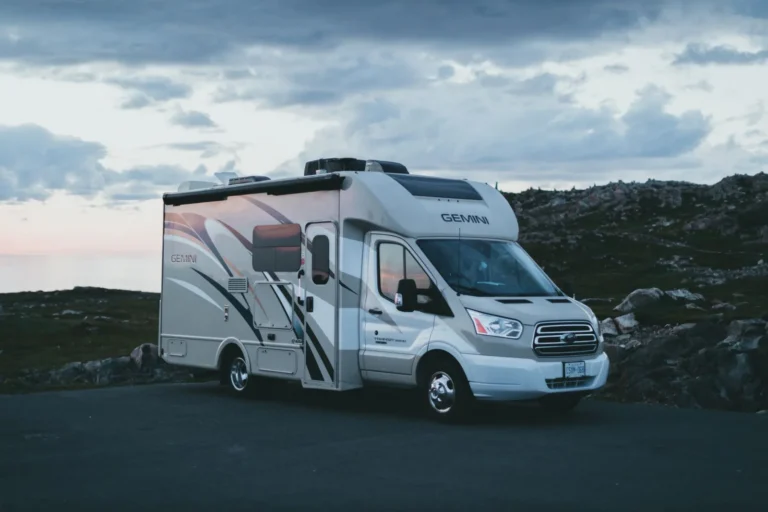
Class B campervans sit at the bottom of the price curve. These are converted vans like the Winnebago Travato or the more upscale Storyteller Overland rigs. You’ll pay $75 to $150 a night for an older build and $200 to $300 for a newer 4×4 model with lithium batteries and a bathroom. They’re the cheapest way to rent something you can park in a normal parking spot, but they sleep two adults and not much more.
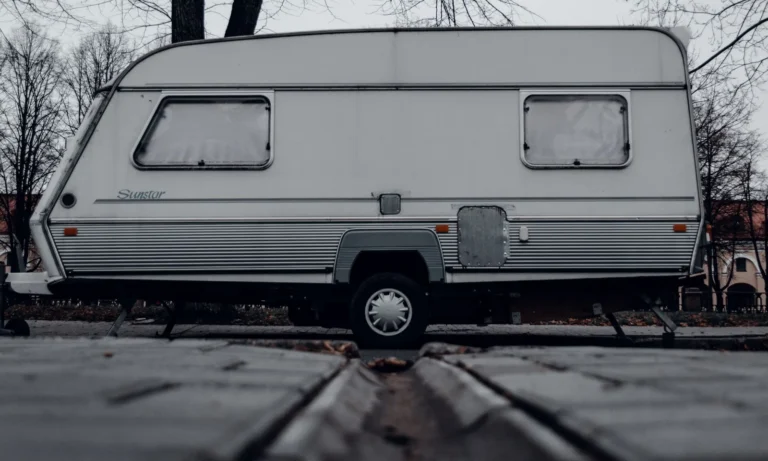
Travel trailers are the cheapest family option if you already own a capable tow vehicle — otherwise you’re also renting a truck, which erases the savings. A basic 22-foot travel trailer rents for $60 to $120 a night. If you’re curious how a towable stacks up against a drivable rig, our travel trailer cost breakdown covers the full picture.
Class C motorhomes are the rental sweet spot. Built on a van or truck chassis with the classic cab-over bunk, models like the Thor Freedom Elite and Jayco Redhawk rent for $150 to $275 a night. They handle like a big U-Haul, which makes them the least intimidating way for a first-timer to try RVing.
Class A motorhomes are the diesel-pusher and gas-coach flagships — think Tiffin, Newmar, and Winnebago. Expect $250 to $450 a night and up to $500 for a late-model diesel with slide-outs. If you’re deciding between the two big drivable classes, our Class A vs. Class C comparison lays out the cost and driving differences in one table.
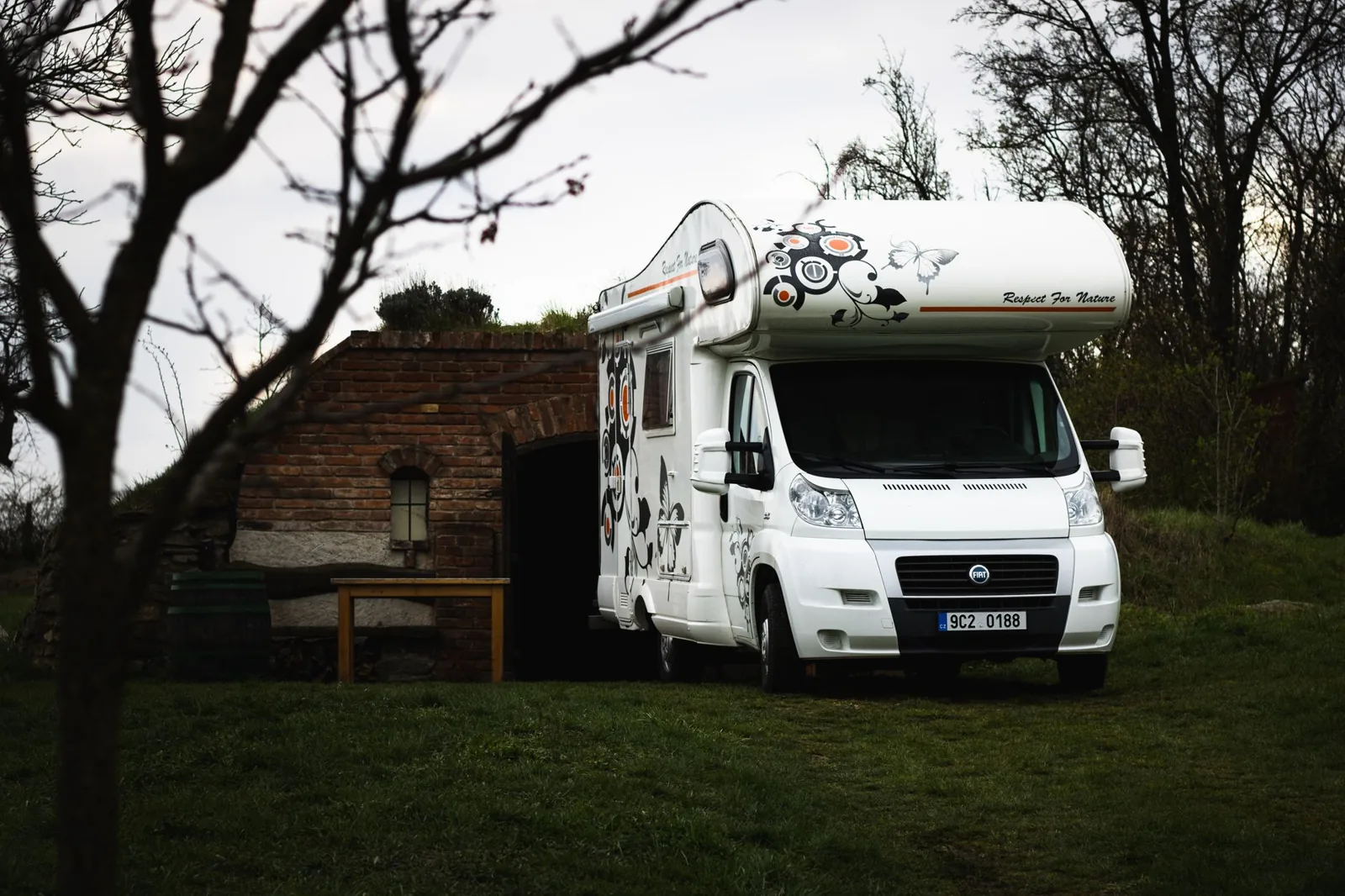
Photo by Porucik Kuna Lama via Pexels
The Extra Fees Nobody Quotes Up Front
The nightly rate is the bait; the line items are the real cost. Most renters are surprised by these four charges:
- Mileage allowance. Most listings include 100 free miles per day, then charge $0.32 to $0.45 per extra mile. A 1,200-mile loop on a week-long trip means roughly 300 extra miles — about $100 to $135 you never saw coming. Unlimited-mileage plans cost more per night but usually pay off on long hauls.
- Generator hours. Rental generators are often limited to 3 to 4 hours per day; beyond that, it’s $3 to $5 per hour. Boondocking a week in hot weather can add $100.
- Prep and cleaning fees. Plan on $75 to $150 per rental, plus another $150 to $250 if you return it unemptied or dirty. Dump the tanks and do a basic sweep, and the deposit comes back.
- Insurance and damage waivers. Your auto policy rarely covers a rented motorhome. The platform’s damage waiver runs $15 to $50 a night depending on coverage level, and a security deposit of $500 to $1,500 is standard.
Add all of it together and a “$199/night” Class C becomes roughly $260 a night in real money. That’s the number to plug into your trip budget, not the sticker.
How Seasonal Demand Moves the Price
RV rental pricing tracks the school calendar almost perfectly. The same 25-foot Class C that rents for $175 a night in October can hit $300 in July.
- Peak season (June–August): Prices are 40–60% higher, and the best rigs book out 6 to 12 months ahead. National parks like Yellowstone and Glacier are the epicenter.
- Shoulder season (April–May, September–October): The sweet spot. Crowds thin, weather is still decent in most of the country, and rates drop 20–30% from peak.
- Off-season (November–March): The deepest discounts — sometimes 50% off — but you’ll be camping in the cold unless you’re heading south to Arizona, Florida, or Texas.
Where you pick up also matters. Renting in Denver, Salt Lake City, or Las Vegas (gateway cities to the parks) costs more than renting in the Midwest, where demand is softer. A one-way rental between two cities adds a drop fee of $200 to $500, so round-trip pickup is almost always cheaper.
Is Renting an RV Cheaper Than a Hotel?
On paper, a $250-a-night RV looks pricier than a $160 hotel room — but the math changes fast once you factor in what the RV replaces. A family of four driving the West would otherwise pay for a hotel, three meals out per day, and a rental car. Cook in the galley and sleep six nights at $45-a-night campgrounds, and the RV can come out ahead.
For a full side-by-side, including the cost of fuel, campgrounds, and food, see our RV rental vs. hotel cost comparison. The short version: an RV rarely wins on a short weekend trip, and it often wins on a 7-to-14-day family loop.

Photo by Kampus Production via Pexels
Renting vs. Buying an RV
If you’re tempted to skip the rental and buy, the rental math is worth a hard look first. A new Class C motorhome costs $100,000 to $150,000, and a used one still runs $50,000 to $90,000 — before insurance, storage, registration, and the maintenance that never stops. You can rent that same rig for a two-week trip every year for a decade and spend less than the purchase price.
Our RV rental vs. buying guide runs the full numbers, but here’s the rule of thumb: if you’ll use it fewer than 30 nights a year, renting beats owning almost every time. Ownership only wins for people who genuinely live on the road or camp most weekends.
How to Lower Your RV Rental Cost
Cutting the real cost of an RV rental is mostly about timing, geography, and reading the fee schedule before you book:
- Book in the shoulder season. The same trip in late September costs 25–30% less than in July, and the parks are emptier.
- Buy unlimited mileage when driving far. At $0.35 a mile, you break even at roughly 40 extra miles a day — nearly guaranteed on a national-park loop.
- Skip the kitchen gadgets and linen kits. They rent for $25 to $75 and you probably own better versions already.
- Compare two platforms. RVshare and Outdoorsy carry many of the same private owners at slightly different prices, so check both before committing.
- Negotiate politely on longer stays. Private owners on peer-to-peer platforms will often knock 10–15% off a two-week booking, especially off-season.
None of these are secrets; most renters just never run the numbers before clicking “Book.”
Frequently Asked Questions
How much does it cost to rent an RV for a week?
A week runs roughly $900 to $2,500 depending on class. Budget $500–$1,050 for a campervan, $1,050–$1,925 for a Class C, and $1,750–$3,150 for a Class A. Many owners offer a discounted weekly rate that’s 15–25% below seven nightly rates, which we cover in our weekly RV rental cost guide.
Is there a minimum age to rent an RV?
Most platforms and rental companies require drivers to be 25, though some peer-to-peer listings allow 21 with a higher security deposit. A standard driver’s license is all you need for a Class C or campervan; larger Class A rigs may require no special license in most states.
Do I need insurance to rent an RV?
Your personal auto policy rarely extends to a rented motorhome, so you’ll want the rental platform’s damage waiver (usually $15–$50 a night) or a standalone RV rental insurance policy. Many credit cards exclude RVs from their rental-car coverage.
Are mileage fees standard?
Yes. Free mileage is typically capped at 100 miles per day, after which you pay $0.32 to $0.45 per mile. Long-distance travelers should either buy an unlimited-mileage package or price the overage into the trip.
Can I rent an RV one-way?
Many owners and rental companies allow one-way rentals for a drop fee of $200 to $500, but availability is far more limited than round-trip. A round-trip pickup almost always costs less.
The Bottom Line
So how much does it cost to rent an RV? Somewhere between $75 and $450 a night depending on class and season, with the typical family landing around $1,500 to $2,200 all-in for a week-long Class C trip after fees. The sticker price is only the starting point — mileage, generator hours, insurance, and prep fees reliably add 25–35% on top.
Run the full cost before you book, time your trip for the shoulder season, and compare both major platforms. Do that, and an RV rental becomes one of the most memorable and honestly-priced vacations a family can take.
Photo by Athena Sandrini via Pexels