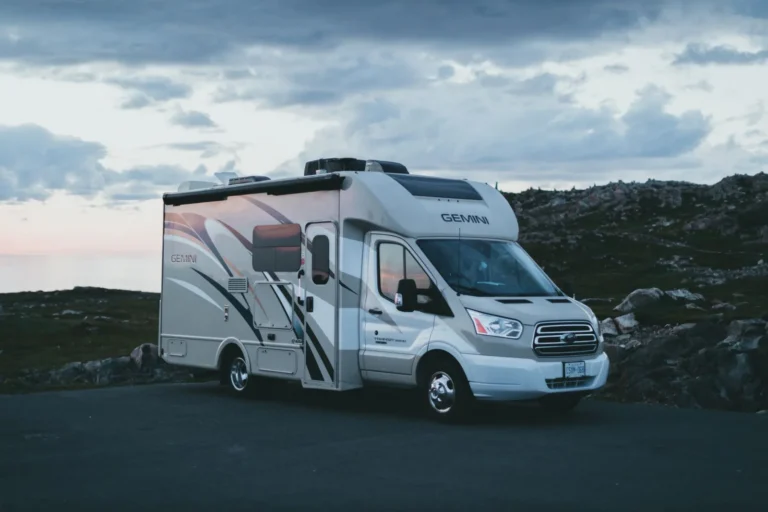
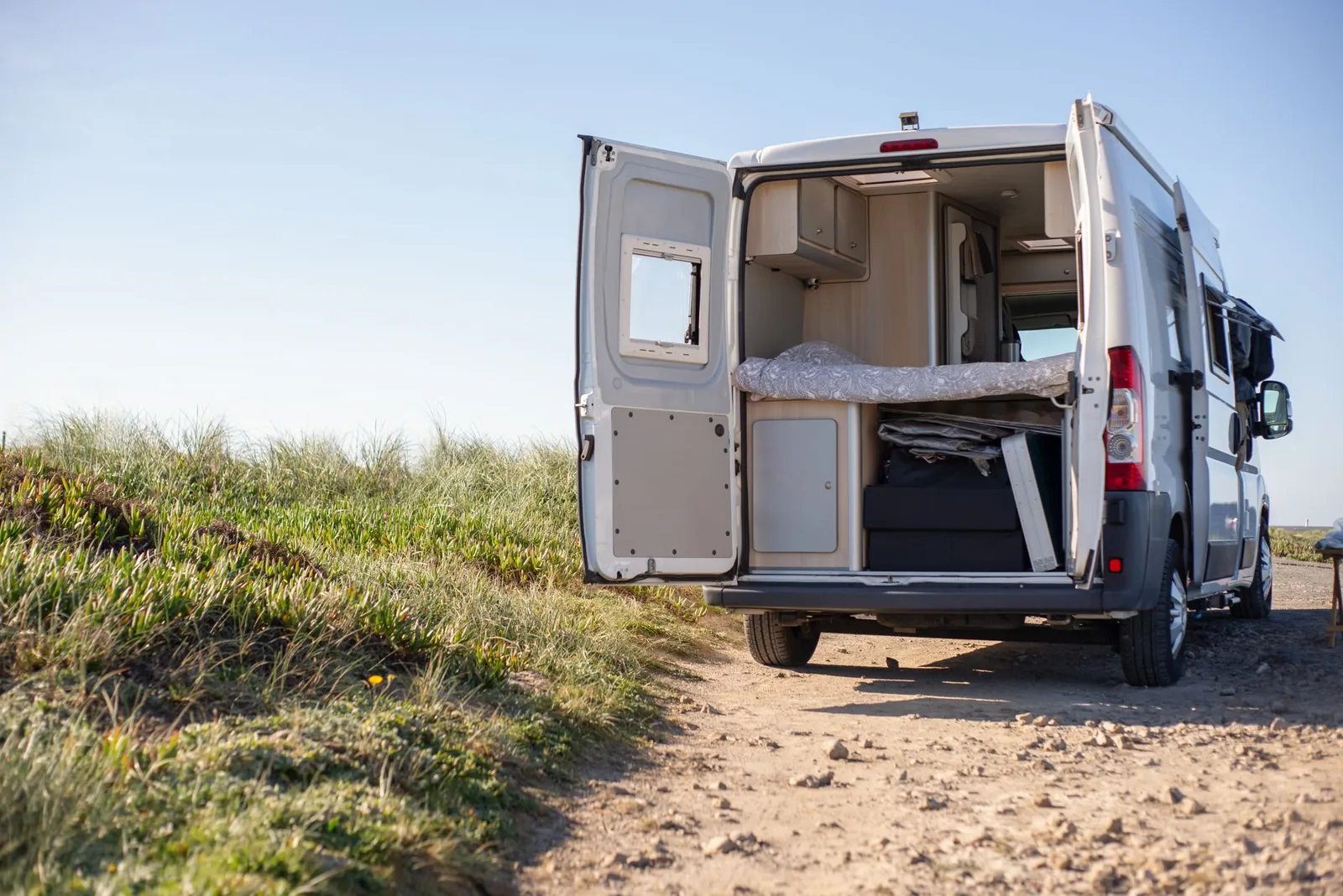
Class B RV Cost: What You’ll Actually Pay in 2026
Class B RV cost is one of the first numbers travelers want to pin down before they start shopping for a camper van, and it’s also one of the widest-ranging figures in the RV world. You can walk off a dealer lot with a brand-new Class B for around $60,000, or you can spend north of $250,000 on a loaded Mercedes-Benz Sprinter build. That spread exists because “Class B” describes a shape and a lifestyle, not a single price point.
The good news is that most buyers land somewhere predictable. A realistic budget for a new Class B RV sits between $120,000 and $180,000, while a clean used camper van typically runs $60,000 to $110,000. This guide breaks down the real numbers — purchase price, depreciation, insurance, fuel, and maintenance — so you know exactly what a Class B RV actually costs before you sign anything.
What Is a Class B RV?
A Class B RV is a camper van built inside a standard van body — usually a Mercedes-Benz Sprinter, Ram ProMaster, or Ford Transit. Unlike a Class C, which has a cab-over bed and a wider box bolted onto a chassis, a Class B keeps the original van shell and packs a kitchen, a bed, and often a wet bath into roughly 17 to 23 feet of floor space.
That compact footprint is the whole appeal. A Class B fits in a standard parking spot, gets better fuel economy than any other motorhome, and drives more like a cargo van than a bus. The trade-off is that you pay for the engineering that crams a living space into a van — which is exactly why the Class B RV cost per square foot is the highest of any RV class.
Class B RV Cost: New, Used, and Rental Prices
The price of a Class B RV depends heavily on whether it’s new, used, or rented. Here’s the range you should expect in 2026:
- New Class B RV: $95,000 to $250,000. Entry-level models like the Winnebago Solis Pocket start around $95,000, while premium brands like Airstream, Storyteller Overland, and Leisure Travel Vans regularly top $200,000.
- Used Class B RV: $50,000 to $140,000. A five-year-old Pleasure-Way Plateau or Roadtrek with 40,000 to 80,000 miles typically lists between $60,000 and $90,000.
- Class B rental: $150 to $350 per night through Outdoorsy or RVshare, with weekly discounts that bring the effective rate down.
| Feature | New Class B | Used Class B | Class B Rental |
|---|---|---|---|
| Typical price | $95,000–$250,000 | $50,000–$140,000 | $150–$350/night |
| Warranty | Full factory warranty | Usually expired | N/A |
| Depreciation | Highest (20–30% in year one) | Slower after year three | None |
| Best for | Long-term owners | Budget buyers | First-timers testing the life |
For most people, renting first is the smartest way to test whether van life suits them before committing to a six-figure purchase. A one-week rental costs around $1,200 to $2,000 — cheap insurance against buying the wrong rig.
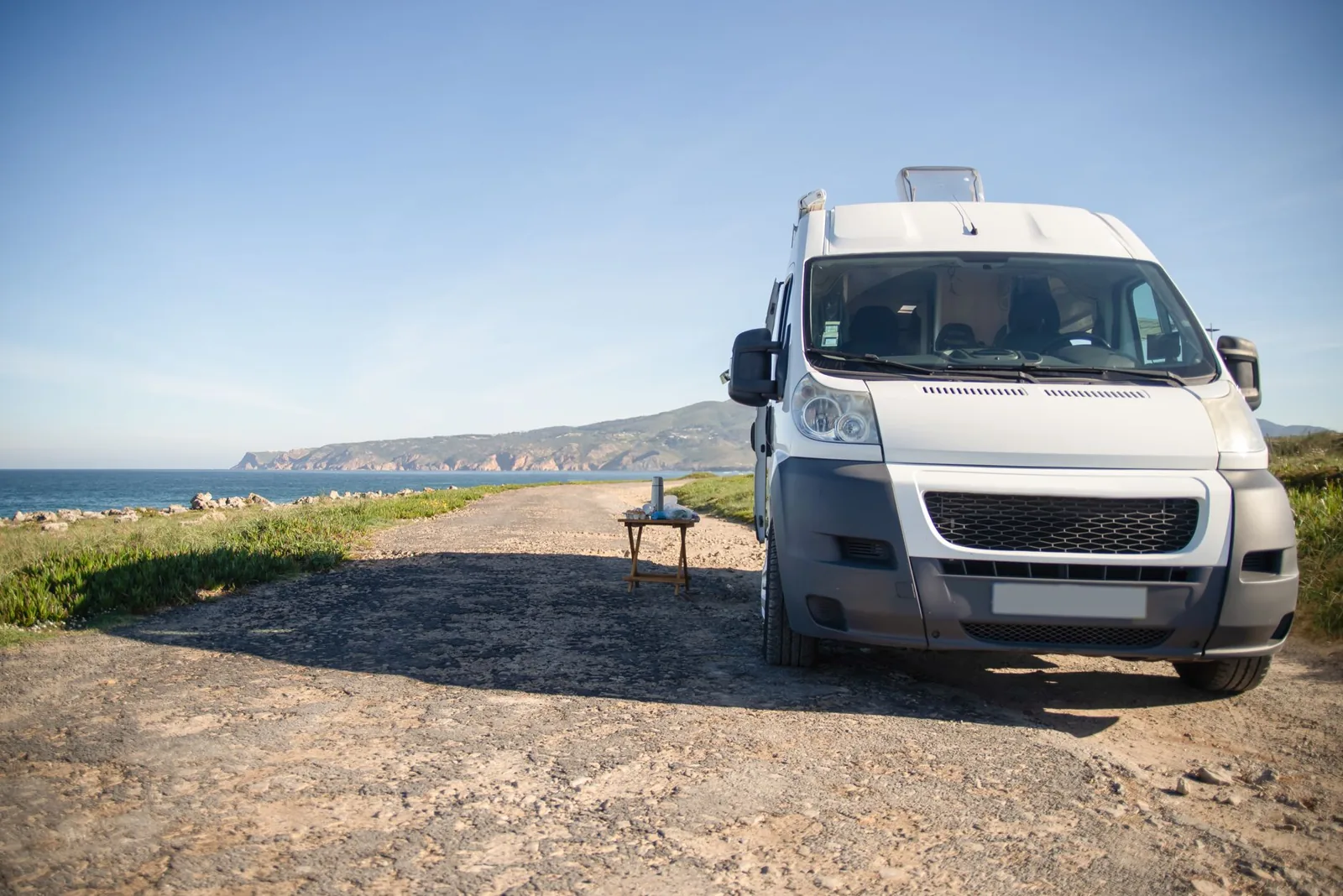
Photo by Kampus Production via Pexels
What Drives the Price of a Class B RV
Understanding why prices run so high helps you spot a fair deal when you see one. Four factors move the number the most.
The chassis underneath
Nearly every Class B is built on a Mercedes-Benz Sprinter, Ram ProMaster, or Ford Transit. Sprinter-based vans carry a premium of $20,000 to $40,000 over ProMaster builds simply because the chassis itself costs more. A diesel Sprinter 2500 4×4 alone can add $15,000 to the sticker before the RV builder touches it.
The build quality
Mass-market brands like Winnebago and Thor use efficient production lines, which keeps their Class B RV cost lower. Boutique converters like Storyteller Overland, Outside Van, and Sportsmobile build semi-custom rigs with lithium batteries, aftermarket suspension, and hand-finished cabinetry — and price accordingly, often $200,000 and up.
The electrical and off-grid systems
The single biggest price swing inside a Class B is the power system. A basic coach with a single lead-acid battery and a propane generator costs far less than a rig with 600 amp-hours of lithium, a second alternator, and rooftop solar. Off-grid capability routinely adds $15,000 to $30,000.
The floor plan and wet bath
Models with a full enclosed wet bath (toilet plus shower in one compartment) cost more than those with a cassette toilet and an outdoor shower. Rear-lounge, front-lounge, and twin-bed layouts also vary in price by several thousand dollars even within the same brand.
Class B RV Cost vs. Other RV Classes
When buyers hesitate over the price, the comparison is almost always against a Class C or a travel trailer. Here’s how the numbers stack up:
| Cost Factor | Class B | Class C | Travel Trailer |
|---|---|---|---|
| New purchase price | $95,000–$250,000 | $70,000–$160,000 | $20,000–$70,000 |
| Fuel economy | 14–22 mpg | 8–12 mpg | N/A (towed) |
| Insurance (annual) | $1,200–$2,500 | $1,000–$2,000 | $200–$800 |
| Drivability | Drives like a van | Drives like a truck | Requires tow vehicle |
A Class C or travel trailer is objectively cheaper to buy, and a travel trailer costs a fraction of what a Class B does. What you’re paying for with a Class B is drivability, fuel efficiency, and the ability to park almost anywhere. If you’ll put 10,000 miles a year on the road, that Class B RV cost can justify itself in fuel and campground savings alone.
New vs. Used: Where the Class B RV Cost Really Changes
Depreciation is the quietest — and largest — cost in the entire equation. A new Class B loses 20% to 30% of its value the moment it’s titled and roughly 40% by year five. That means a $150,000 camper van is worth about $90,000 after five years.
A three- to five-year-old used Class B is where the math gets interesting. You dodge the steepest part of the depreciation curve while still getting a modern van with factory lithium options, driver-assist features, and relatively low mileage. The trade-offs are mechanical:
- No factory warranty on most used rigs, unless you buy a certified unit.
- Unknown maintenance history, especially on the diesel emissions systems in older Sprinters.
- Fewer choices in floor plan and color than buying new.
If your budget is around $80,000 to $100,000, a clean used camper van from a private seller or a reputable dealer like La Mesa RV or RV Trader is almost always the better value. Our rental vs. buying breakdown digs into whether owning makes sense for your travel pace.
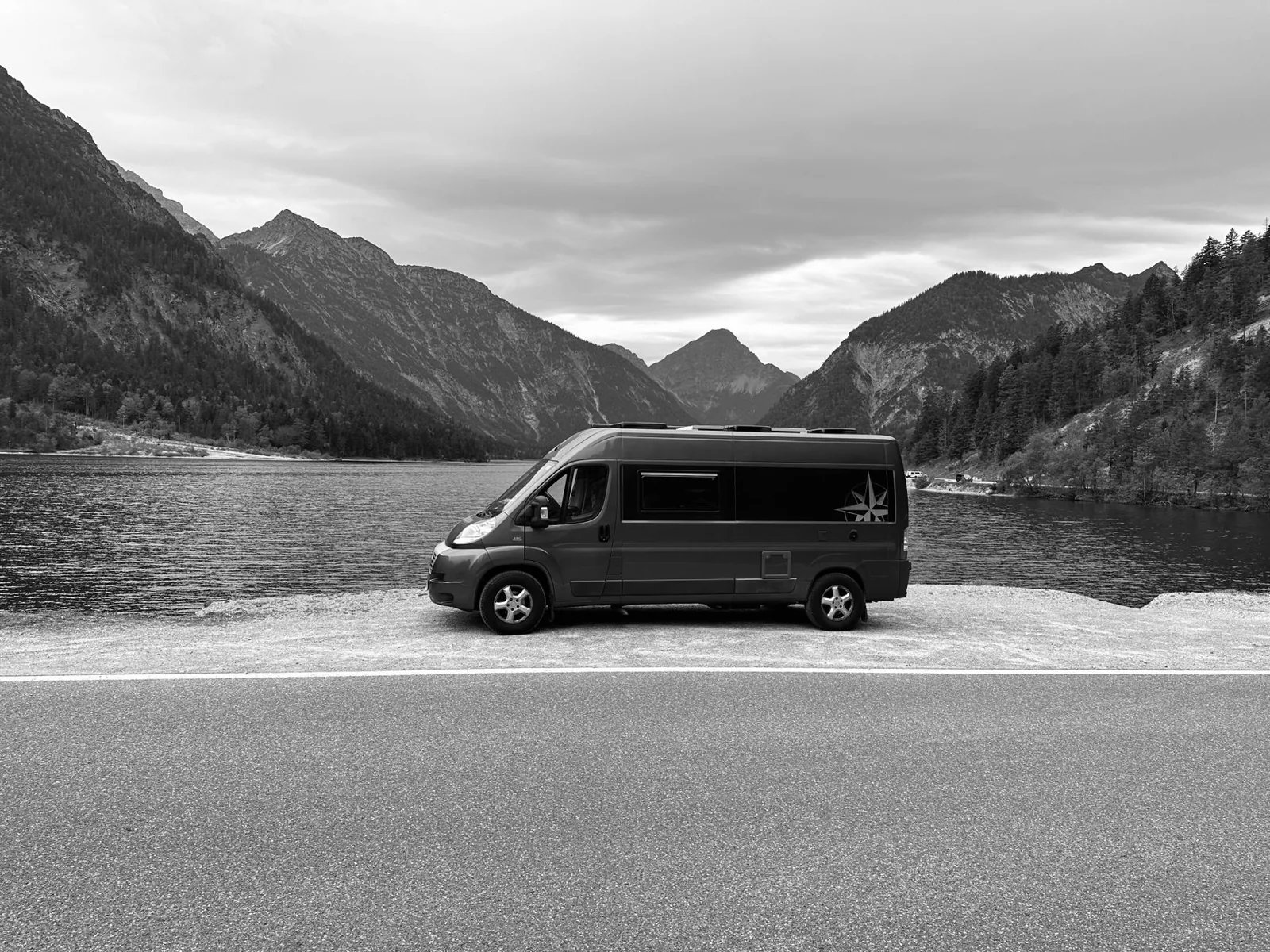
Photo by Pexels via Pexels
Ongoing Ownership Costs Beyond the Sticker
The purchase price is only the opening act. Budget for these annual costs on top of the loan:
- Insurance: $1,200 to $2,500 per year for full-timer or comprehensive coverage. State Farm, Progressive, and Good Sam all underwrite Class B policies.
- Fuel: At 16 mpg and $3.60 per gallon, 10,000 miles costs about $2,250 a year. A Class C at 10 mpg would cost roughly $3,600 for the same mileage.
- Maintenance and repairs: $1,000 to $2,500 per year. Sprinter diesel service at a Mercedes dealer runs higher than ProMaster service at a Dodge or Ram shop.
- Storage: $50 to $250 per month if you can’t park the van at home. Many HOA communities restrict overnight RV parking.
- Registration and taxes: Varies by state, but expect $500 to $2,000 the first year on a new unit.
- Campsite fees: $20 to $80 per night, though boondocking on public land is free if you have the off-grid electrical system to support it.
Is a Class B RV Worth the Money?
For the right traveler, yes. A Class B makes sense when you value spontaneous stops, easier parking, and better fuel economy over interior square footage. It’s the class that lets you keep the van as a second daily driver and still head out for a two-week national-park loop without towing anything.
It’s a poor fit if you need a separate bedroom, want to travel with four or more people, or plan to live in the RV full-time with a lot of gear. In those cases, the extra space of a Class C or a towable usually delivers more value per dollar.
Frequently Asked Questions
How much does a Class B RV cost?
Most new Class B motorhomes cost between $95,000 and $250,000, with a realistic mid-range of $120,000 to $180,000. Used camper vans typically run $50,000 to $140,000 depending on age, mileage, and brand.
What is the cheapest Class B RV?
The Winnebago Solis Pocket, Thor Tellaro, and Ram ProMaster-based builds from smaller converters are usually the least expensive, starting around $95,000 new. For a lower entry point, look for a used 2018–2021 model in the $55,000 to $75,000 range.
Is a Class B RV cheaper than a Class C?
No. Class B RVs cost more than comparably equipped Class C models because the smaller footprint requires denser, more expensive engineering. A Class C often costs $70,000 to $160,000 for more living space than a $150,000 Class B.
Do Class B RVs hold their value?
Better than most motorhomes. Well-maintained Class B vans — especially Sprinter-based units from premium builders — depreciate more slowly than Class A or Class C rigs, in part because demand for camper vans stays strong.
How much does it cost to rent a Class B RV?
Expect $150 to $350 per night, or roughly $1,200 to $2,000 per week, through platforms like Outdoorsy and RVshare. Check our weekly rental cost guide for a full breakdown of what to budget.
For pricing and layout details, RVshare covers class B motorhome costs.
The Bottom Line
Class B RV cost is high because you’re buying a drivable, fuel-efficient, park-anywhere motorhome instead of a big box on wheels. New units run $95,000 to $250,000, used models $50,000 to $140,000, and rentals $150 to $350 a night. Factor in insurance, fuel, maintenance, and storage, and the real annual cost of ownership lands around $4,000 to $7,000 beyond your loan payment.
Rent one for a week before you buy. If van life sticks, a three- to five-year-old used Class B is where most people find the best balance of price, reliability, and comfort. Ready to dig into the numbers further? Start with our rental vs. buying guide to see which path fits your budget and travel style.