Cross Country Road Trip Cost: What to Budget for a Coast-to-Coast Drive
The cross country road trip cost catches a lot of first-timers off guard. A coast-to-coast drive sounds simple enough — fill the tank, point the car west, and go. But once you add up fuel, a place to sleep every night, and three meals a day for two or three weeks, the total climbs fast. Most drivers end up spending between $3,000 and $7,500 per person, depending on whether they take an RV, a car with hotels, or a lean campervan setup.
That range is wide for a reason. A couple in a rented Class C motorhome will pay far more than a solo traveler sleeping in their own SUV at free dispersed campsites. Neither is wrong — they’re just different trips.
This guide breaks the cross country road trip cost into real numbers you can plan against: fuel, rental fees, campgrounds, food, and the small stuff that adds up. Use it to build a budget you’ll actually stick to, whether you’re driving from New York to Los Angeles or Seattle to Miami.
How Much Does a Cross Country Road Trip Cost in 2025?
For a two-week, roughly 3,000-mile route between coasts, most travelers land in one of these three buckets:
- Budget (solo, own car, mostly camping): $1,800–$2,500 per person
- Mid-range (couple, small RV or car + budget hotels): $3,500–$5,500 per person
- Comfortable (family, rented motorhome, full hookup campgrounds): $6,000–$9,000 per person
The single biggest variable is the vehicle. A full cross country road trip cost can swing by thousands of dollars based on whether you drive something you already own, rent a travel trailer, or sign up for a one-way motorhome rental. One-way RV rentals in particular carry steep drop fees — often $300 to $1,000 — that a round-trip rental doesn’t.
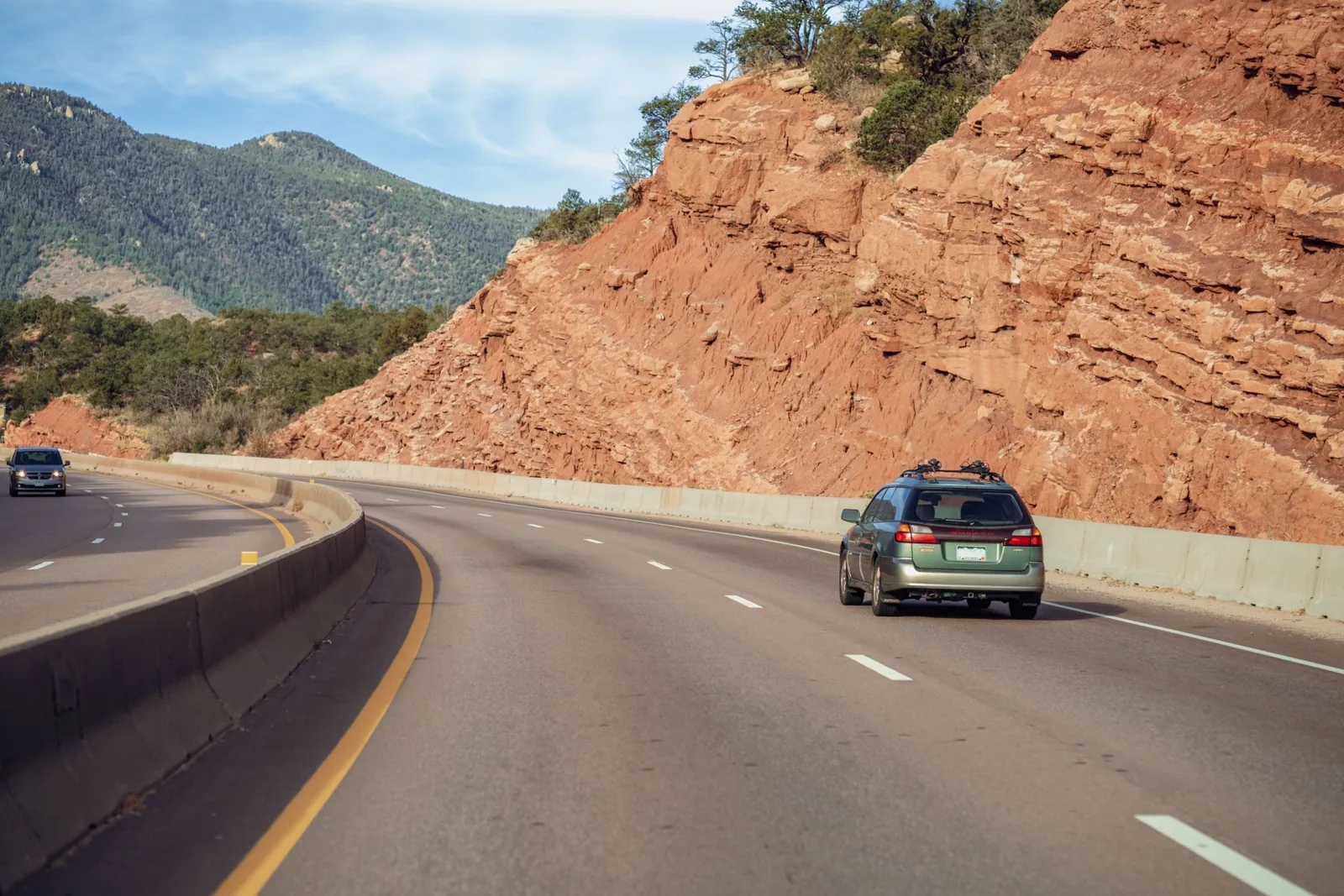
Route length matters too. A direct New York City to Los Angeles run is about 2,800 miles. A wandering route that hits national parks in Utah, Colorado, and Arizona can push 4,000 miles. Every extra mile is roughly 20 cents in fuel and maintenance, so a “shortcut” can quietly save or cost you $200 or more.
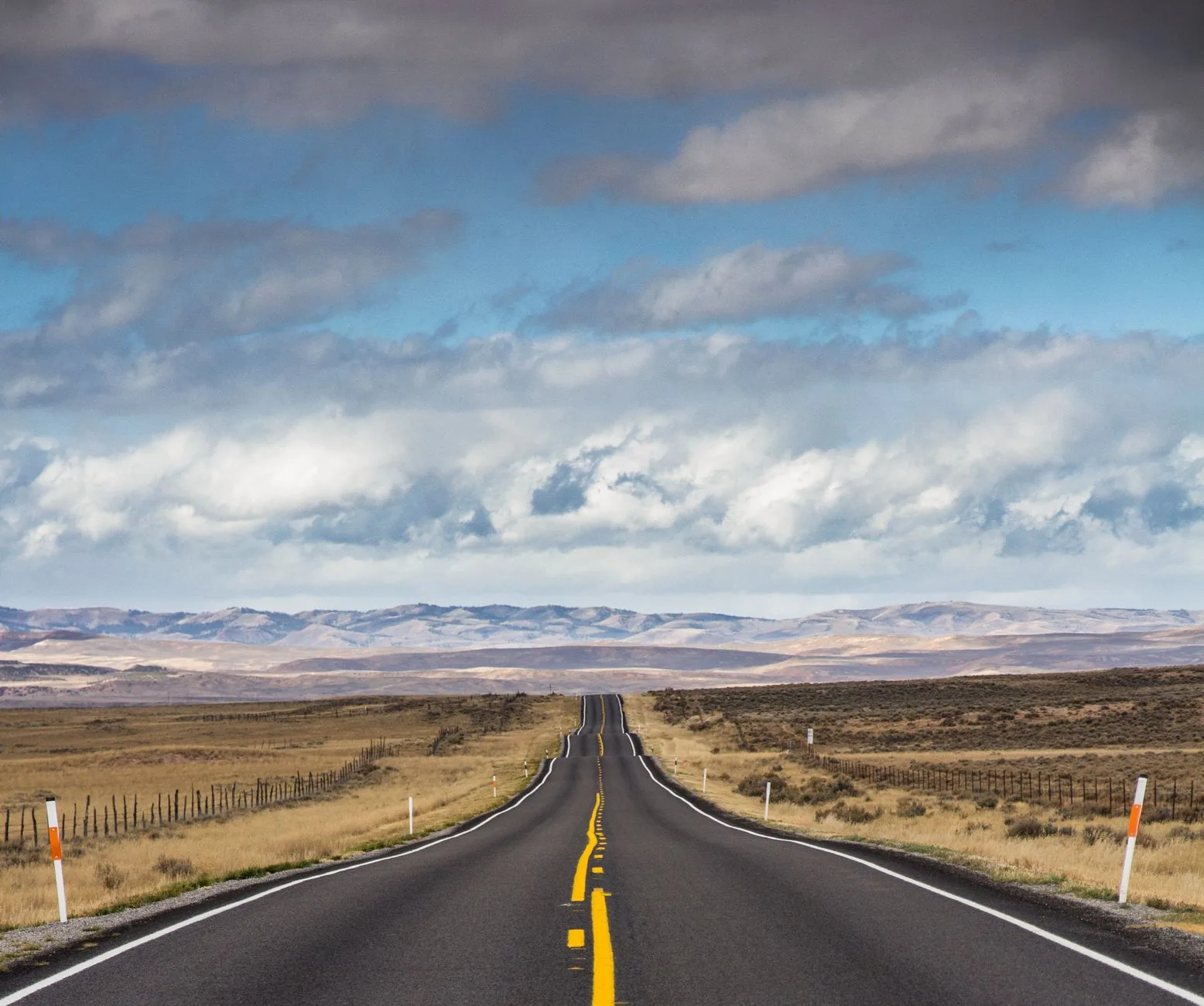
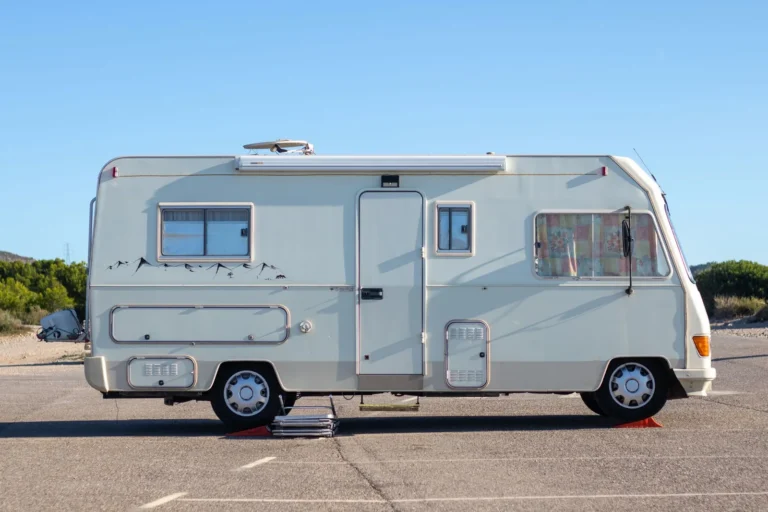
Photo by Davide Tessaro via Pexels
Cross Country Road Trip Cost by Category
Breaking the trip into line items makes the total feel manageable — and shows you exactly where to cut. Here’s a realistic mid-range breakdown for a 14-day, 3,000-mile trip for two people.
| Category | Own Car + Hotels | Small RV Rental | Rented Motorhome |
|---|---|---|---|
| Vehicle (rental + fees) | $0–$100 | $1,400–$2,200 | $3,000–$5,500 |
| Fuel | $450–$600 | $600–$900 | $900–$1,400 |
| Lodging | $1,200–$1,800 | $500–$900 | $600–$1,100 |
| Food | $600–$900 | $500–$800 | $500–$800 |
| Activities & misc. | $400–$700 | $400–$700 | $400–$700 |
| Total (2 people) | $3,050–$4,100 | $3,400–$5,500 | $5,400–$9,500 |
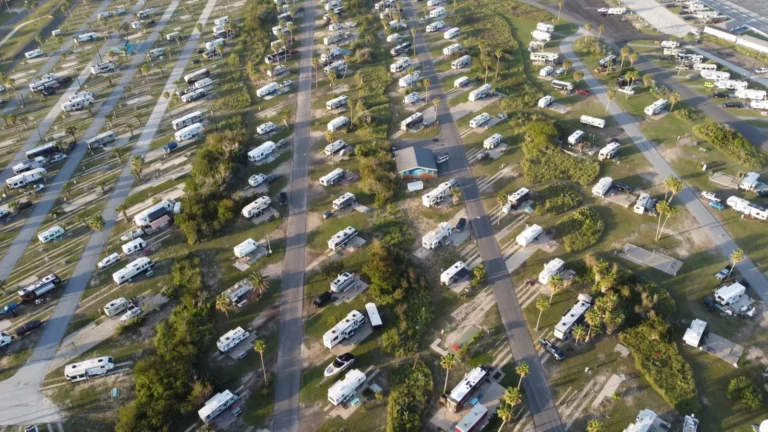
The math surprises people: an RV isn’t automatically cheaper. You save on hotels, but you spend more on fuel, nightly campground fees, and — if renting — the vehicle itself. If you’re weighing an RV against your own car, see our breakdown of RV rental vs. buying before you commit.
Fuel: The Biggest Line Item You Can’t Skip
Fuel is the one cost you can calculate almost to the dollar before you leave. The formula is simple: total miles divided by miles per gallon, multiplied by the price of gas.
A 3,000-mile trip in a 28-mpg sedan at $3.50 per gallon works out to about $375 in fuel. The same trip in a 10-mpg Class A motorhome at $4.00 per gallon (RVs often fill up at pricier stations) runs $1,200. That’s an $800 difference from the vehicle choice alone.
Fuel prices vary hard by region. California gas routinely runs $1.00 to $1.50 above the national average, while states like Texas and Oklahoma sit well below it. If you’re driving the classic LA-to-East-Coast route, plan to pay more at the start and less as you cross the Plains. Apps like GasBuddy are worth downloading; planning fills around state lines can save $30 to $60 across a full trip.
For RVs, add a buffer for generator fuel and idling. A diesel pusher might also require DEF (diesel exhaust fluid), which is cheap but easy to forget. Budget 10 to 15 percent above your raw fuel estimate to cover detours, elevation, and headwinds.
RV Rental vs. Driving Your Own Vehicle
This is the decision that shapes your entire cross country road trip cost.
Driving your own car is almost always the cheapest option. You already own it, it’s insured, and a modern sedan or SUV gets two to three times the fuel economy of a motorhome. The trade-off is space and comfort — you’re packing into hotel rooms each night and eating out more.
Renting an RV swaps hotel costs for campground fees and gives you a rolling home, but the sticker price is real. Class C motorhome rentals typically run $150 to $275 per night before mileage, bedding, and kitchen-kit add-ons. Many companies also charge 30 to 40 cents per mile beyond a daily allowance, which adds up quickly on a 3,000-mile route.
If you’re considering renting, compare it honestly against hotels first. A $200-per-night RV rental plus $50 in campground fees and $60 in fuel often costs more than a $150 hotel room plus a $50 dinner. Our RV rental vs. hotel comparison does that math line by line. And if you’re set on an RV but want to trim the nightly rate, a travel trailer towed behind an existing truck usually rents for less than a drivable motorhome.
Photo by princess via Pexels
Lodging: Campgrounds, Hotels, and Free Stays
Where you sleep is the second-biggest lever on your cross country road trip cost.
- Hotels and motels: Budget chains (Motel 6, Super 8, La Quinta) run $70–$130 per night on the interstate. A clean mid-range room is $120–$180. Over 13 nights, that’s $1,000 to $2,300.
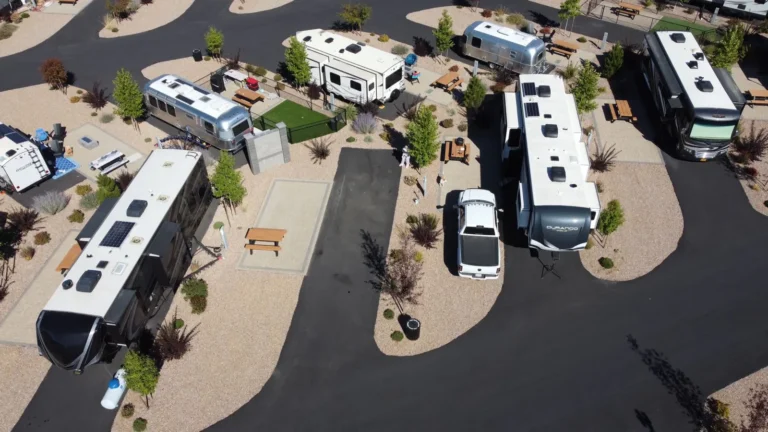
- Campgrounds: Private RV parks with full hookups cost $40–$70 a night. National park campgrounds are a bargain at $15–$35, but book months ahead — sites at Zion, Yosemite, and Glacier sell out within minutes of release.
- Free camping: Bureau of Land Management (BLM) land and national forest dispersed sites are free, legal, and scattered across the West. You give up hookups and showers, but a two-week trip can drop $600 off your lodging total.
The smart play is mixing all three. Camp cheap in the wide-open West, splurge on a hotel every fourth night for a real shower and laundry, and use free dispersed sites whenever the weather cooperates. That hybrid approach routinely trims $400 to $700 off a two-week trip without making anyone miserable.
Food and Daily Spending
Food is the budget line most people blow without noticing. Eating every meal at restaurants — $15 breakfast, $20 lunch, $35 dinner — costs $70 a day per person, or about $2,000 for two people over two weeks. Cook half your meals from a cooler or a small camp stove and that drops to $35–$40 a day.
A few habits keep the food cost down:
- Stock a cooler with breakfast and lunch basics (oatmeal, sandwich fixings, fruit, cold brew).
- Eat one “local” meal a day — a diner, taco stand, or barbecue joint — so the trip still feels like a trip.
- Skip the RV park convenience store; grocery prices there run 30–50 percent higher than a supermarket.
- Refill a 1-gallon water jug instead of buying bottled water at gas stations.
Then budget a separate “daily spend” line for the non-essentials: national park entry fees ($35 per vehicle for a 7-day pass, or $80 for the America the Beautiful annual pass), laundry, ice, tolls, and the occasional souvenir. $25–$40 per day covers it comfortably.
6 Ways to Cut Your Cross Country Road Trip Cost
You don’t need to sleep in the car to save real money. Small changes compound over 3,000 miles.
- Drive a fuel-efficient vehicle. Going from an 18-mpg SUV to a 28-mpg sedan saves roughly $240 on a 3,000-mile trip.
- Buy the national park pass. If you’ll hit three or more parks, the $80 America the Beautiful pass pays for itself after two.
- Cook at least two meals a day. This is the single fastest way to save — often $500 or more on a two-week trip.
- Book campgrounds and hotels ahead. Last-minute rooms in tourist towns cost 30–50 percent more.
- Avoid one-way rental drop fees. Loop your route back to the starting city, or find a rental company running a relocation deal.
- Travel in shoulder season. Driving in May or September instead of July cuts campground and hotel rates by 20–40 percent, with fewer crowds.
None of these make the trip feel cheap. They just redirect money from gas stations and hotel front desks into the experiences you actually remember.
Frequently Asked Questions
How much does a cross country road trip cost per person?
Most travelers spend $3,000 to $7,500 per person for a two-week coast-to-coast drive, with budget travelers as low as $1,800 and RV families as high as $9,000. Vehicle choice, lodging style, and season explain most of the spread.
How long does a cross country road trip take?
Plan on 10 to 14 days for a direct coast-to-coast drive, and two to three weeks if you want to detour through national parks. A relaxed pace is 200 to 350 miles per day.
Is it cheaper to drive or fly cross country?
For one person, flying is usually cheaper. For two or more travelers, driving usually wins once you factor in flights, a rental car, and lodging on both ends. Driving also lets you haul gear and stop wherever you want.
What is the most expensive part of a road trip?
For most people it’s lodging, followed by food. For RV renters, the vehicle itself jumps to the top of the list — a motorhome rental can exceed fuel, campground, and food costs combined.
Can you do a cross country road trip on $1,000?
Barely, for one person in their own car who camps free, cooks all meals, and skips paid attractions. Realistically, $1,500–$2,500 is a safer floor. For a detailed look at what an RV alone costs, check NerdWallet’s RV rental cost guide or browse real listings on RVshare.
The Bottom Line
Your cross country road trip cost comes down to a handful of decisions you can make before you ever turn the key: what you drive, where you sleep, and how often you eat out. A lean trip in your own car with a mix of camping and cooking lands around $2,000 per person. A comfortable motorhome adventure for a family can top $9,000.
The trip is worth every dollar either way — a cross-country drive is one of the few trips where the journey genuinely is the destination. Set your vehicle and lodging plan first, build a realistic fuel and food budget, and leave a little padding for the good surprises. Then get on the road; the country is waiting.