Road Trip Packing List: The Complete Checklist for Cars, RVs, and Trailers
A reliable road trip packing list is the difference between a relaxed drive and a 2 a.m. scramble through a gas station for batteries and Advil. Whether you’re renting a Class C motorhome for a week or loading a Toyota Highlander with three kids and a dog, packing the right gear up front saves money, time, and a lot of backseat arguing.
This guide breaks the checklist into categories you can work through one at a time. It covers cars and RVs, weekend escapes and cross-country hauls, with real price ranges and specific brands so you buy once and stop second-guessing. If you’re still deciding on rigs, our breakdown of RV rental costs per week is a good place to start before you pack.
Clothing and Personal Items
Most people overpack clothes and underpack comfort. The rule that works: one outfit per day maximum, plus one spare, and plan layers around the forecast rather than the season label. A July drive through the Rockies can hit 45°F (7°C) at a mountain pass and 95°F (35°C) in the valley on the same afternoon.
Pack these clothing staples for any trip longer than a weekend:
- Two pairs of comfortable shoes. One broken-in sneaker or trail shoe for driving and sightseeing, one sandal or slide for campgrounds and showers. New shoes raise your blister risk, not your comfort.
- Layers, not bulk. A lightweight fleece (Patagonia or generic), a packable rain shell, and two moisture-wicking base layers cover most conditions in under two pounds total.
- One warm layer. A compressible down or synthetic puffy jacket packs to the size of a water bottle and earns its space on every evening spent outside.
- Socks and underwear for each day plus two. Synthetic or merino wool beat cotton in a hot car; they dry overnight and don’t hold odor.
- A hat and sunglasses. Polarized sunglasses cut glare on long highway stretches and genuinely reduce driver fatigue.
For toiletries, a hanging organizer keeps everything visible in a cramped RV bathroom. Keep a separate small bag of daily meds and a small first-aid kit up front, not buried in the cargo hold. Sunscreen and bug spray live in an outside pocket so you can grab them without unpacking the whole vehicle.
Food, Snacks, and the Camp Kitchen
Eating on the road is where travelers either save several hundred dollars or bleed it away ten bucks at a time. A basic camp kitchen — one cooler, a single-burner stove or the RV’s range, and a small bin of utensils — turns gas-station lunches into meals that cost $3 instead of $15.
What actually earns a spot in the cooler:
- A hard-sided cooler (or the RV fridge) with two ice packs. A 45-quart Coleman or Igloo cooler runs $30–$60 and keeps food cold for a full day if you pre-chill it.
- Refillable water bottles and a 1–2 gallon jug. Buying $2 bottled water at every stop adds up fast; most campgrounds and rest areas have free fill stations.
- Non-perishable staples: instant oatmeal, peanut butter, tortillas, canned beans, trail mix, and shelf-stable milk.
- A camp stove and one pot/pan. A single-burner butane or propane stove costs $25–$50 and covers breakfasts and simple dinners. Don’t bother with a full cookware set — one pot, one pan, and a spatula handle 95% of meals.
- Reusable plates, cups, and cutlery for each traveler. Paper plates are fine for a weekend; for a weeklong trip, a four-person enamelware set (around $30) pays for itself.
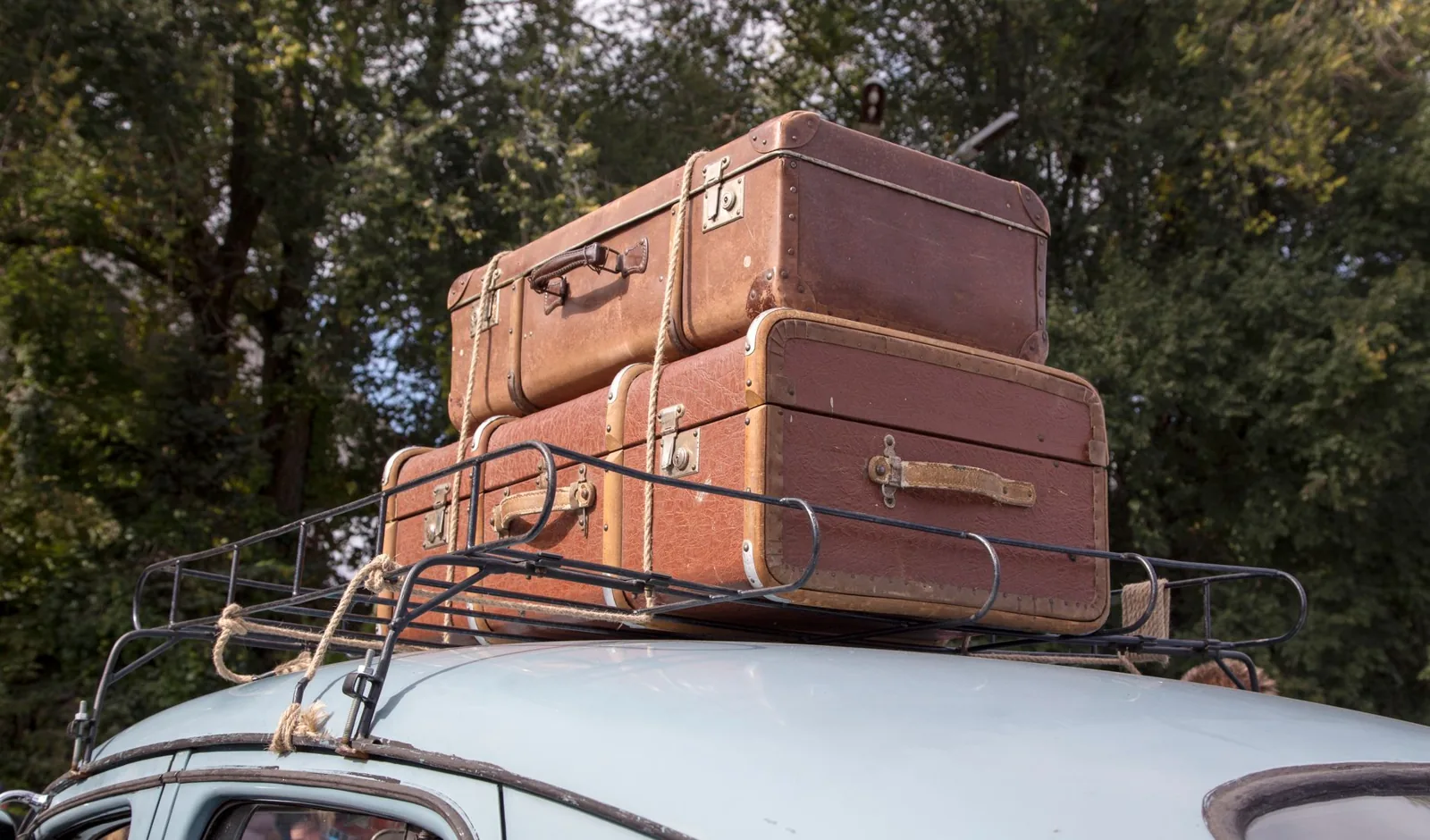
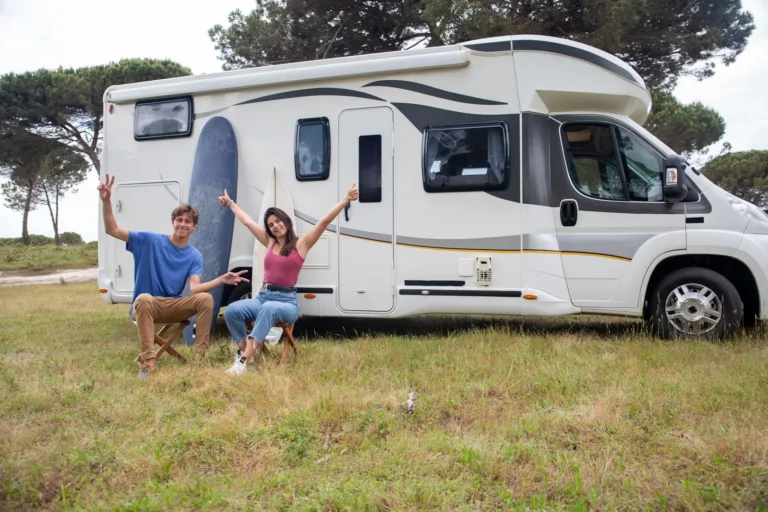
Photo by Valentin Ivantsov via Pexels
Stock snacks and drinks in a soft-sided cooler or a small bin within reach of the driver, so nobody has to unbuckle to find a granola bar. If you’re weighing whether an RV even makes sense for your route, our comparison of RV rental versus a hotel walks through the numbers.
The Complete Road Trip Packing List
Here’s the master checklist. It splits the essentials into cars and RVs, because a travel trailer lets you carry far more than a sedan ever will.
| Category | Car / Minivan (Essentials) | RV or Trailer (Additions) |
|---|---|---|
| Shelter & sleep | Blanket, travel pillow, sunshade | Bedding, extra pillows, leveling blocks |
| Kitchen | Small cooler, utensils, water jug | Cookware set, full-size cooler, dish soap, trash bags |
| Power | 12V phone charger, portable battery | Surge protector, 30A adapter, extension cord |
| Tools | Jumper cables, tire gauge, flashlight | Socket set, duct tape, water-pressure regulator, sewer hose |
| Comfort | Neck pillow, earbuds, sunglasses | Folding chairs, camp rug, hammock, string lights |
| Info | Paper maps, printed reservations | Check-in details, campground directory, RV manual |
Next, a quick-hit list of items that are easy to forget but painful to be without:
- Phone mount and a 12V fast charger. A vent or dash mount (around $15) keeps navigation at eye level and legal.
- A power bank (10,000–20,000 mAh). One Anker battery pack for $25–$40 covers a dead phone, tablet, and Bluetooth speaker on a single long day.
- Reusable shopping bags and a roll of trash bags. Trash bags double as wet-clothes containment and improvised ponchos.
- A small toolkit. At minimum, a multitool, duct tape, zip ties, and a tire pressure gauge. Duct tape has fixed more road-trip disasters than any product in existence.
- Entertainment that works offline. Download playlists, podcasts, and maps before you lose signal. Cell coverage dies in exactly the places you most want directions.
- Wet wipes and paper towels. Fast-food handoffs, sticky steering wheels, and roadside picnics all end with wet wipes.
Tech, Navigation, and Entertainment
Navigation deserves its own sentence: download offline maps before you go. Google Maps and Apple Maps let you save areas for offline use, which matters in every national park and rural stretch where bars drop to nothing. A dedicated GPS unit is overkill for most people, but a paper atlas costs $15 at a truck stop and never runs out of battery.
Charge everything with one system, not five loose cables. One multi-port USB charger (20–40W) plus a short USB-C cable for the driver’s seat covers the cockpit. In an RV, a compact surge protector with USB ports keeps the whole countertop of devices topped up without hunting for outlets.
For kids, an iPad or a Nintendo Switch with downloaded content is worth more than any bag of toys. Load shows and games before departure — hotel and campground Wi-Fi is rarely fast enough to download an entire season, and it’s often capped. A Bluetooth speaker ($20–$40) for music and calls rounds out the cabin.

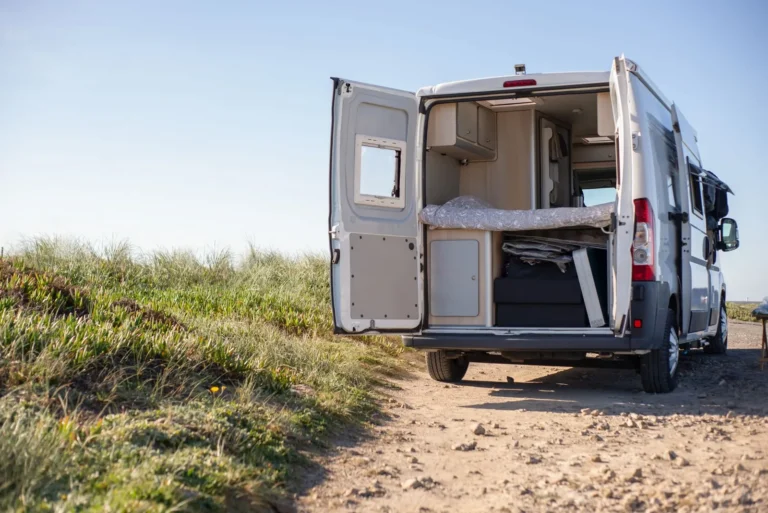
Photo by Rachel Claire via Pexels
Safety, Emergency, and Vehicle Gear
The safety section is the one you hope never to use, which is exactly why you shouldn’t skip it. A Highway Emergency Kit typically costs $40–$80 and bundles jumper cables, a flashlight, a first-aid kit, and reflectors in one bag. If you’d rather build your own, start with these:
- Jumper cables or a jump starter. Modern lithium jump starters (around $60–$100) work without a second car.
- A quality first-aid kit. Add personal meds, allergy pills, and blister bandages to the store-bought base.
- A tire inflator and gauge. A 12V inflator plugs into the car and beats waiting for help on a flat shoulder.
- A basic tool kit and spare fuses.
- Paper copies of insurance, registration, and reservation confirmations. Phones break; paperwork doesn’t need a signal.
- A flashlight or headlamp (with spare batteries) and a reflective vest.
For RVs and trailers, the checklist stretches. Carry a water-pressure regulator, a sewer hose with a clear elbow, wheel chocks, and leveling blocks if the rig didn’t come with them. Check tire pressure and coolant before the first long day, and know your tow vehicle’s limits. Our guide to travel trailer costs covers the gear and ongoing expenses a trailer adds to the road.
Before departure, share your route with someone and let them know your planned overnight stops. It’s a five-minute message that means help arrives faster if anything goes wrong. The American Automobile Association and similar roadside programs remain the single best insurance for a breakdown — one tow often costs more than a year of membership.
Packing Smart: Space-Saving Tips
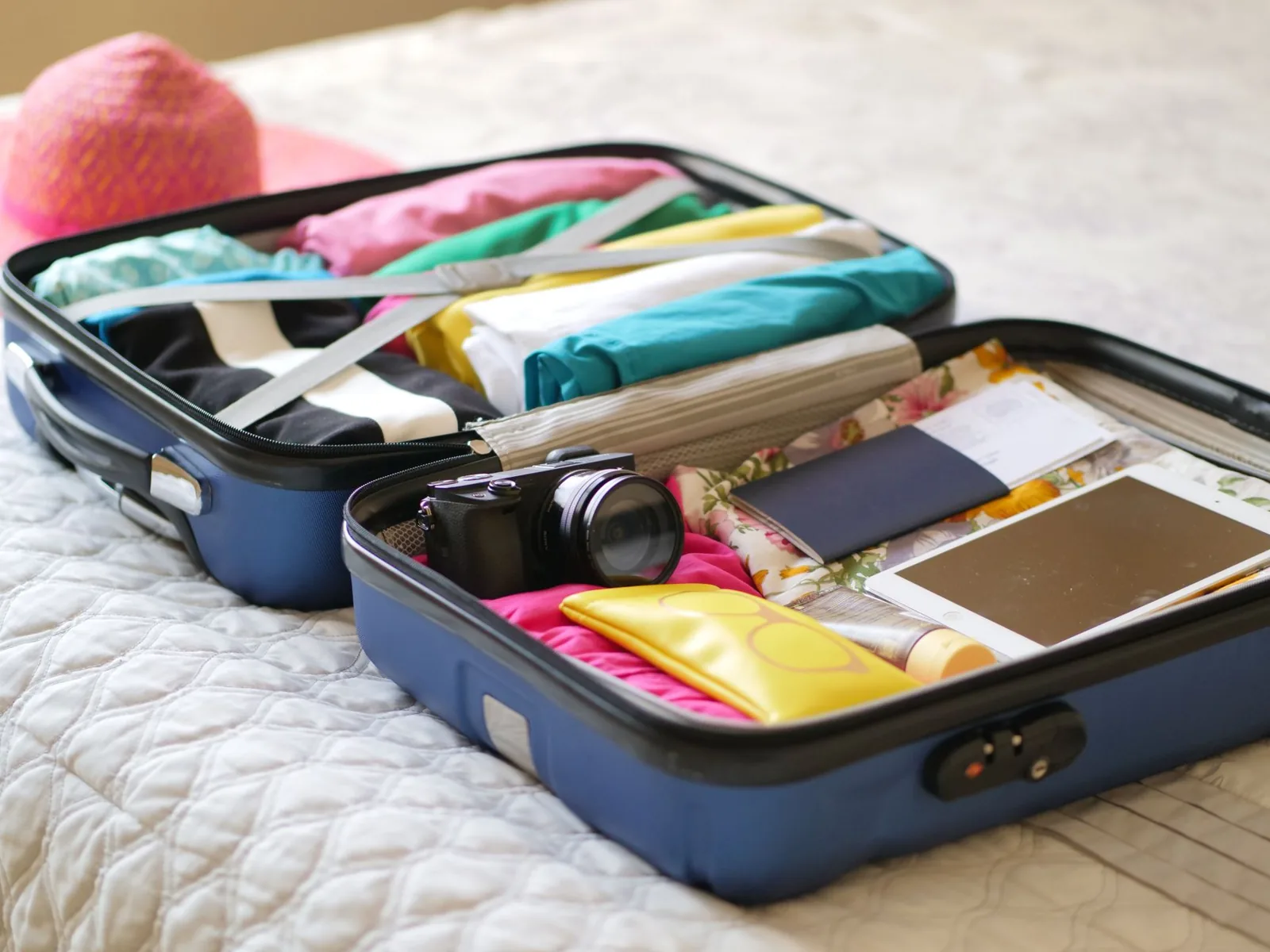
Packing well is mostly about tighter decisions, not bigger bags. Use packing cubes or compression bags for clothes; they keep a duffel from becoming a black hole and let you find a specific shirt without dumping everything on the hood. Roll, don’t fold, and stuff socks inside shoes.
Load the vehicle in reverse order of need. The tent, chairs, and cook gear go in first (you won’t touch them on the road); snacks, chargers, and the first-aid kit stay last and within reach. Keep a single small “day bag” with a change of clothes and essentials so you never unpack the whole car at a one-night motel.
Heavy items ride low and close to the axle in a trailer, and roof cargo stays under the rack’s weight limit. A loaded roof box hurts fuel economy by roughly 10–25% depending on speed and shape, so pack it only with light, bulky items like sleeping bags and duffels — never the cooler full of drinks.
Frequently Asked Questions
What should I not forget on a road trip?
Charger, phone mount, refillable water, first-aid kit, and paper maps. Almost every “forgot something” emergency at a rest stop is one of those five items.
How do I pack for a weeklong road trip in a small car?
One medium duffel of clothes, one cooler, one day bag, and a small bin for kitchen basics. Skip the folding chairs and full cookware unless you’re camping nightly.
How much should I budget for road trip gear?
A solid basic setup — cooler, jump starter, phone mount, power bank, and a small toolkit — runs $150–$250 total if you start from zero. Most items last for years of trips.
Do I need special gear for an RV road trip?
Yes, a few RV-specific items: a water-pressure regulator, sewer hose, leveling blocks, and a 30A adapter. Most rental RVs include these, so check before you buy.
Is a packing list really necessary for a short weekend trip?
Yes, but a shorter version. The 20-minute habit of working down a checklist beats the hour you’ll spend replacing a forgotten phone charger or prescription along the route.
For a printable checklist, Lonely Planet offers a road trip packing guide.
The Bottom Line
A good road trip packing list isn’t about stuffing the car with everything you own — it’s about carrying the few dozen items that keep you safe, comfortable, and fed without turning the trunk into a junk drawer. Work through the categories, load heavy gear low, and keep the daily essentials within arm’s reach.
Download your maps, charge your devices, and check the tires before you leave the driveway. The goal is to spend the trip looking at the road, not rummaging through bags. For more on the costs and logistics of hitting the road, start with RV rental costs per week and browse our RV and road trip guides on Wanderby.