RV Camping for Beginners: Your Complete First-Trip Guide
RV camping for beginners doesn’t have to be intimidating. A motorhome or travel trailer lets you bring your bed, kitchen, and bathroom with you, but that convenience only pays off if you know how to park, level, and hook it up without turning your first night into a stress test.
This guide walks you through the whole process — picking the right rig, budgeting what it actually costs, choosing a campsite, and packing without bringing your entire house. By the end, you’ll know exactly what to expect on your first trip and how to avoid the rookie mistakes that most first-timers make.
What Is RV Camping (and Is It Right for You)?
RV camping means staying overnight in a recreational vehicle instead of a tent or hotel room. That vehicle can be a motorhome you drive, a trailer you tow behind a truck or SUV, or a camper van. What sets it apart from regular camping is self-containment: you carry your own sleeping space, water, and often a toilet and shower wherever you go.
It’s not for everyone. RV camping works best if you want to visit several places in one trip without packing and unpacking, if you travel with kids or pets who need regular stops, or if you like the idea of waking up somewhere scenic without paying hotel rates. It’s a worse fit if you hate driving large vehicles, you’re on a tight budget, or you’d rather fly and be done with the logistics.
If you’re still on the fence about whether to buy or simply rent for a trial run, our breakdown of RV rental vs buying covers the math in detail. For most beginners, renting once or twice is the smartest way to test whether the lifestyle actually suits you before committing thousands of dollars.
Choose the Right RV for Your First Trip
The single biggest decision is what kind of rig to start with. The three main classes break down like this:
- Class A motorhomes are the bus-style giants. They’re comfortable but heavy, thirsty on fuel, and intimidating to drive for a first-timer. Skip these on trip one.
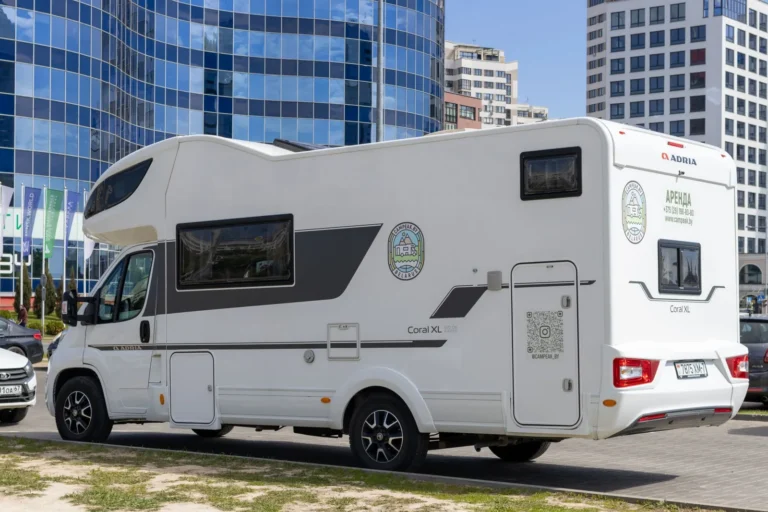
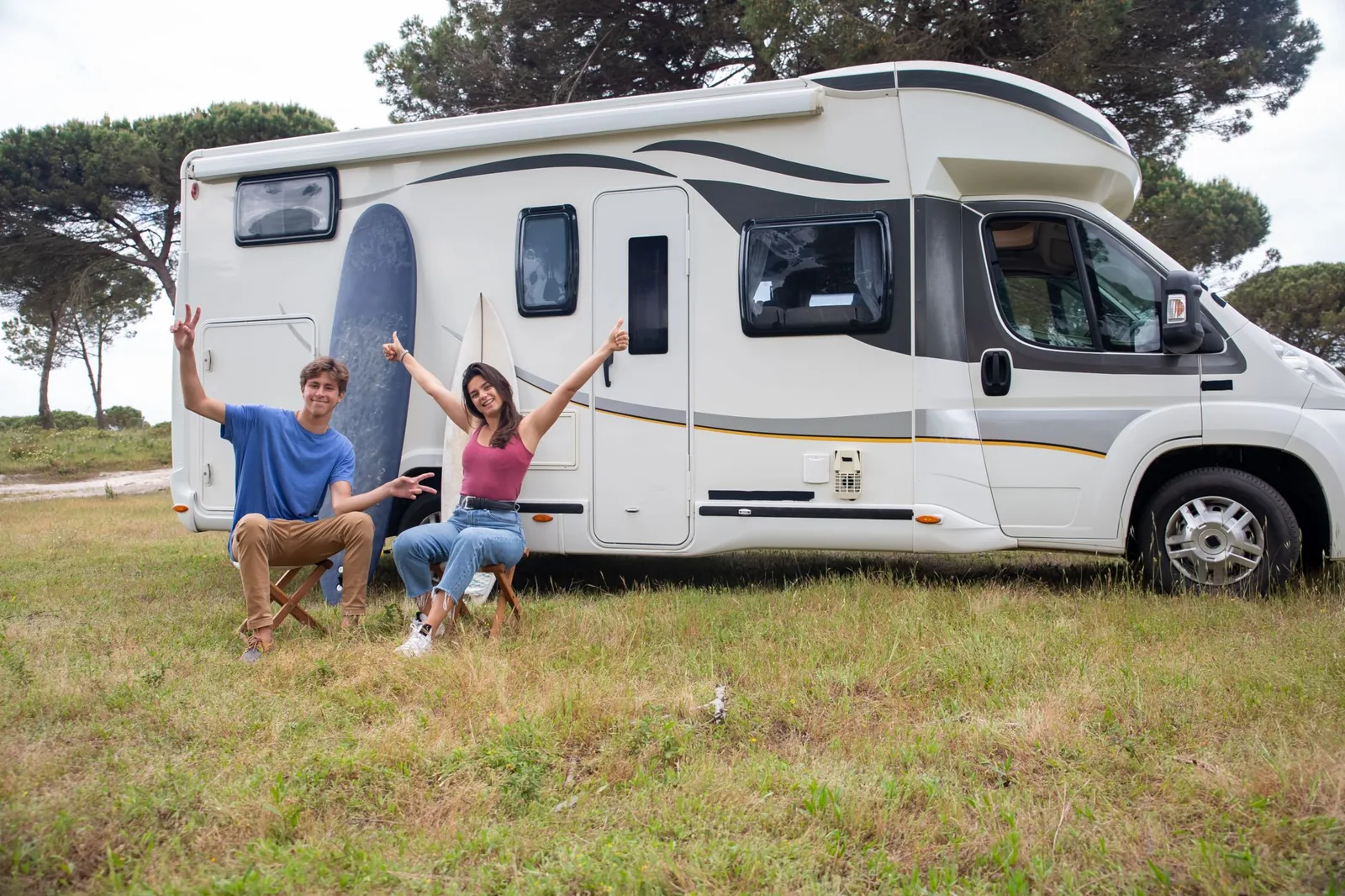
- Class C motorhomes are built on a van or truck chassis with a cab-over bed. They’re the most popular rental choice for families and much easier to handle than a Class A.
- Travel trailers are towed behind a vehicle you already own. They’re cheaper than a motorhome, but you need a tow vehicle with enough capacity and some practice backing up.
- Camper vans (Class B) are the easiest to drive and park, but space is tight and they suit solo travelers or couples best.
For a first trip, a Class C or a small travel trailer is the sweet spot — enough room to be comfortable, without the learning curve of a 40-foot diesel pusher. If you’re deciding between the two big motorhome classes, our Class A vs Class C RV comparison lays out the real-world differences in cost, fuel, and drivability.
Before you book anything, confirm two numbers: how many people will sleep in the rig, and what your tow vehicle (if any) can safely pull. Never trust the salesperson’s word on weight — check the towing capacity in your owner’s manual and add a 20% buffer.
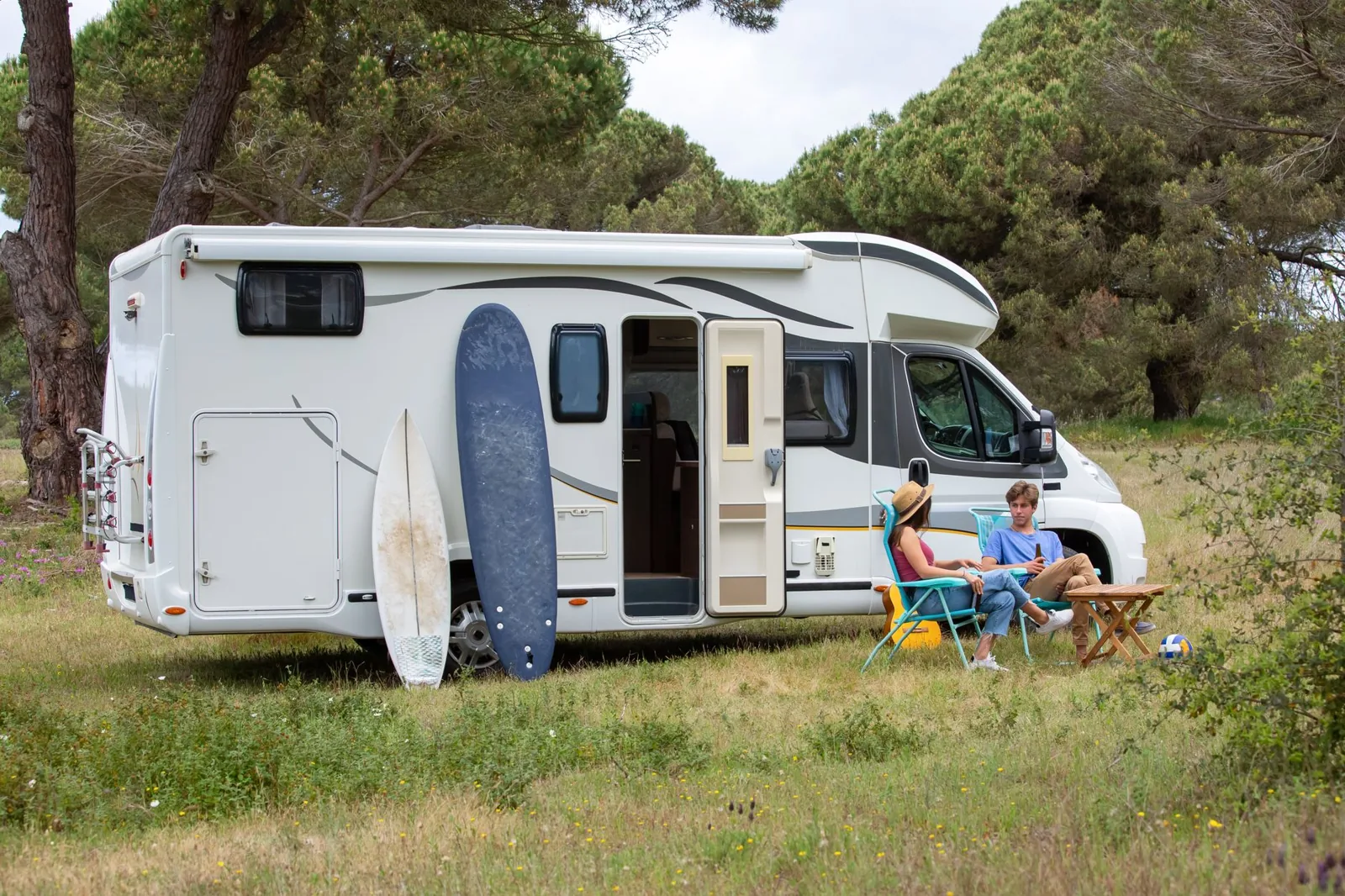
Photo by Kampus Production via Pexels
What RV Camping for Beginners Costs
RV camping is rarely the bargain it first appears to be, so budget honestly. Here’s a realistic range for a week-long first trip:
| Expense | Budget Range (7 nights) | Notes |
|---|---|---|
| RV rental (Class C) | $1,050–$2,100 | $150–$300 per night depending on season |
| Campsite fees | $210–$560 | $30–$80 per night; less in state parks, more at resorts |
| Fuel | $150–$400 | Motorhomes often get 6–10 mpg |
| Groceries & dining | $200–$400 | Cooking in saves money |
| Dump fees, propane, misc. | $50–$150 | Often folded into rental cost |
All in, expect to spend roughly $1,700–$3,600 for a week, not counting the cost of getting to the rental depot. The RV itself is the biggest line item, which is why knowing what to expect matters — check our guide to the average RV rental cost per week for a more detailed season-by-season breakdown.
A few ways to keep costs down on your first trip: book in shoulder season (May or September instead of July), stay in state and national park campgrounds rather than private resorts, cook most meals in the rig, and split the cost with another family or couple if you have the space.
Where to Camp: Campsite Types and Booking
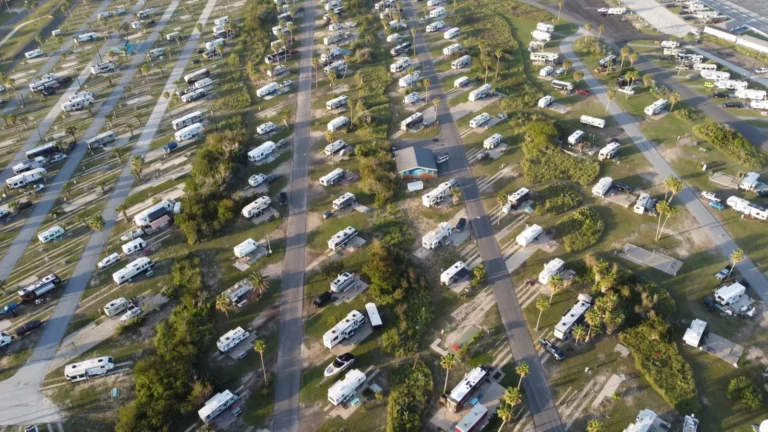
Your campsite choice shapes the whole trip. Beginners tend to do best with campgrounds that offer full or partial hookups, since you’ll have water and electricity on tap and a dump station nearby.
- Full-hookup sites give you water, electric, and sewer at your site. Easiest for beginners, most common at private RV parks.
- Electric-only sites have power but no water or sewer hookup. Fine for a night or two; you’ll refill and dump at central stations.
- Dry camping / boondocking means no hookups at all, usually on public land. You rely entirely on your tanks and battery. Save this for a later trip.
- State and national parks offer the best scenery and lowest prices but often have electric-only or no-hookup sites and fill up months ahead.
Book early. Popular campgrounds open reservations six months out on Recreation.gov, and summer weekends at national parks go within minutes. Private parks like KOA (Kampgrounds of America) are easier to book and consistently beginner-friendly, with level pads, clear signage, and staff who’ll help you back in. For reviews and photos of specific campgrounds, TripAdvisor’s camping pages are a reliable way to spot the ones to avoid.
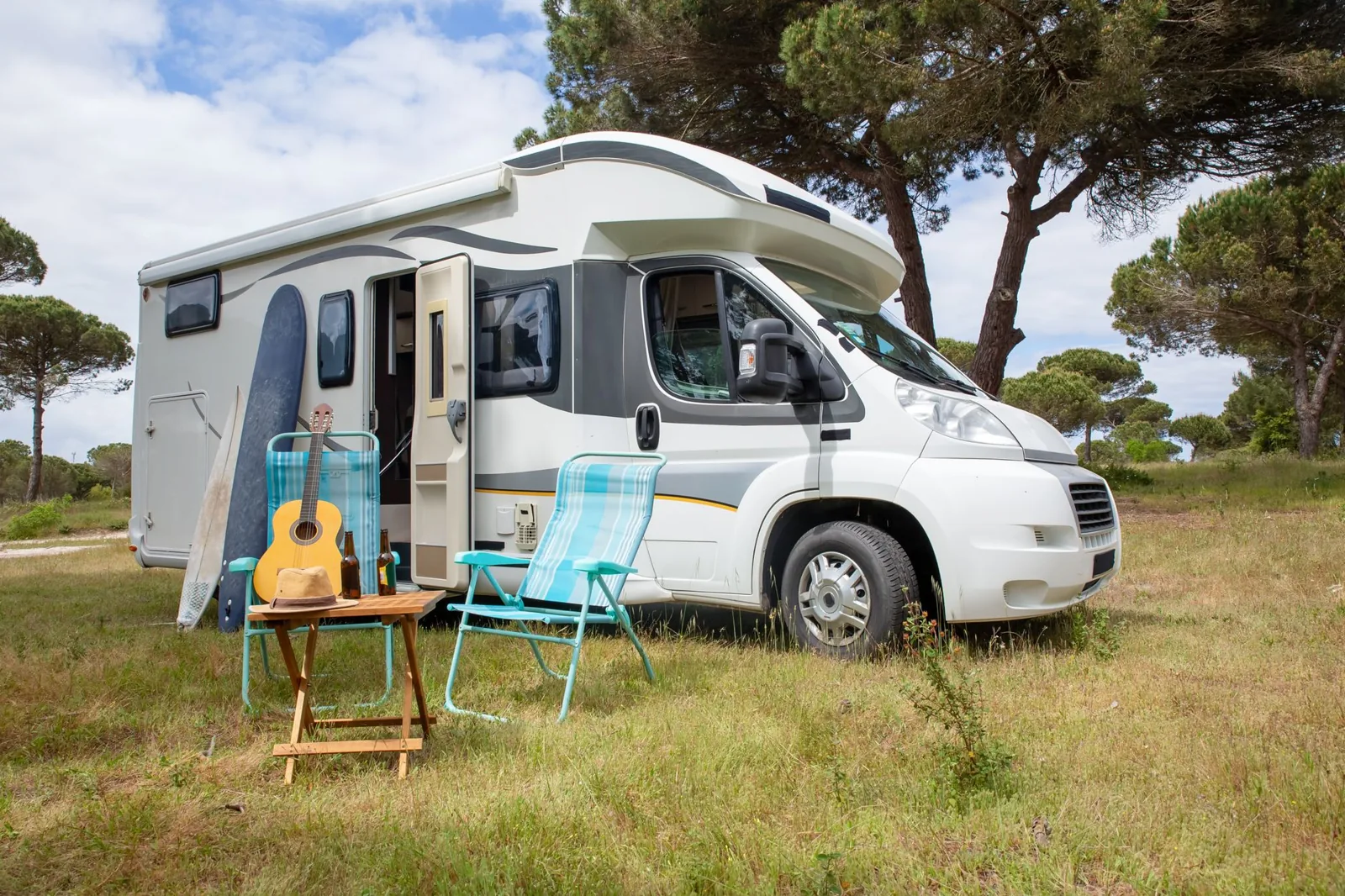
Photo by Kampus Production via Pexels
A Beginner’s Checklist: What to Pack
The golden rule: you need far less than you think, but a few specific items you can’t easily buy at a campground. Here’s the core list:
- Documents: driver’s license, rental agreement, campground reservation confirmations, insurance and roadside-assistance numbers.
- Setup gear: sewer hose (often included with rentals), freshwater hose, 30-amp electrical adapter, leveling blocks, wheel chocks, and work gloves.
- Kitchen basics: pot, pan, utensils, plates, cups, a sharp knife, cutting board, coffee maker, trash bags, dish soap, and paper towels.
- Bedding: sheets or sleeping bags sized to the RV beds, pillows, and warm blankets — nights get cold even in summer.
- Bathroom: RV-safe toilet paper (regular TP clogs tanks), toilet chemicals if not supplied, towels, and a small first-aid kit.
- Safety and tools: flashlight, duct tape, basic tool kit, tire pressure gauge, jumper cables, and a fire extinguisher.
- Comfort extras: camp chairs, a folding table, headlamps, and a doormat to keep dirt out.
If you’re renting, ask the company for their included-items list before you shop — many bundle bedding, kitchen kits, and hoses for a small fee, which saves you from buying gear you’ll never use again.
Setting Up Camp: A First-Night Walkthrough
The most stressful part of your first trip is the 20 minutes after you pull into your site. Follow this order and it gets routine fast:
- Park and level. Position the rig on the pad, then use leveling blocks under the low-side tires until a bubble level reads level side-to-side and front-to-back. Level matters — your fridge works better and your shower drains properly.
- Chock the wheels before you unhitch anything, so the rig can’t roll.
- Unhitch or shut down. For a trailer, lower the tongue jack and disconnect. For a motorhome, set the parking brake.
- Connect power first. Plug your shore-power cord into the pedestal, checking that the breaker is off first, then flip it on.
- Connect water. Attach the freshwater hose (with a pressure regulator), then open the tap slowly.
- Connect sewer last — and only when you’re ready to dump. Many beginners keep the sewer hose stored and dump at departure instead of leaving the tank open, which prevents odors.
- Extend slides and stabilizers, then set up chairs, awning, and anything else you’ll need.
If you’re renting, the rental company will walk you through all of this at pickup. Record that walkthrough on your phone — it’s the fastest way to answer “wait, which switch was that?” three days later.
Frequently Asked Questions
Do I need a special license to drive an RV?
In the US, no. A standard driver’s license covers most motorhomes and trailers under 26,000 pounds, though a few states require an endorsement for very large rigs. Check the laws for any state you’ll drive through.
How hard is it to drive or tow an RV as a beginner?
Easier than it looks, with practice. Rentals handle predictably; give yourself extra braking distance, take corners wide, and practice backing into a spot in an empty parking lot before you hit the campground.
Can I go RV camping without any experience?
Yes — that’s the whole point. A rental plus a full-hookup campground removes most of the difficulty. Ask the rental staff questions at pickup and watch a few setup videos for your specific model before you leave.
What’s the best RV for a first-time camper?
A Class C motorhome or a small travel trailer. Both are forgiving to drive or tow, widely available to rent, and comfortable for two to six people. See our Class A vs Class C comparison if you’re weighing options.
How much does RV camping cost compared to hotels?
For a family, RV camping usually wins on space and flexibility, though nightly rental and campsite fees can rival a mid-range hotel. Our RV rental vs hotel breakdown runs the numbers for real itineraries.
The Bottom Line
RV camping for beginners is a skill you learn by doing, not by agonizing. Rent a manageable rig, book a full-hookup site near home for your first night or two, and follow the setup checklist in order. Every trip after that gets easier.
Start small, expect to make a few mistakes, and let the people at the rental counter and campground office help you. Before you know it, you’ll be backing in like you’ve done it for years.
Ready to plan your first trip? Start by locking in a budget — read our guide to how much an RV rental costs per week and compare renting versus buying to find the right fit for your travel style.