Travel Trailer Cost: What You’ll Really Pay in 2026
A travel trailer cost starts around $11,000 for a compact fiberglass teardrop and climbs past $150,000 for a luxury fifth wheel with residential-style finishes. Most first-time buyers land somewhere in the middle — between $25,000 and $55,000 for a new mid-size trailer from a brand like Jayco, Forest River, or Grand Design.
The sticker price is only part of the picture, though. Insurance, storage, maintenance, and a tow vehicle that can actually pull the thing add thousands of dollars a year. This guide breaks down what you’ll really spend — upfront and ongoing — so you can budget before you sign.
How Much Does a Travel Trailer Cost?
The average travel trailer cost depends heavily on type, size, and whether you buy new or used. As a rule of thumb, here’s what you can expect to pay in 2026:
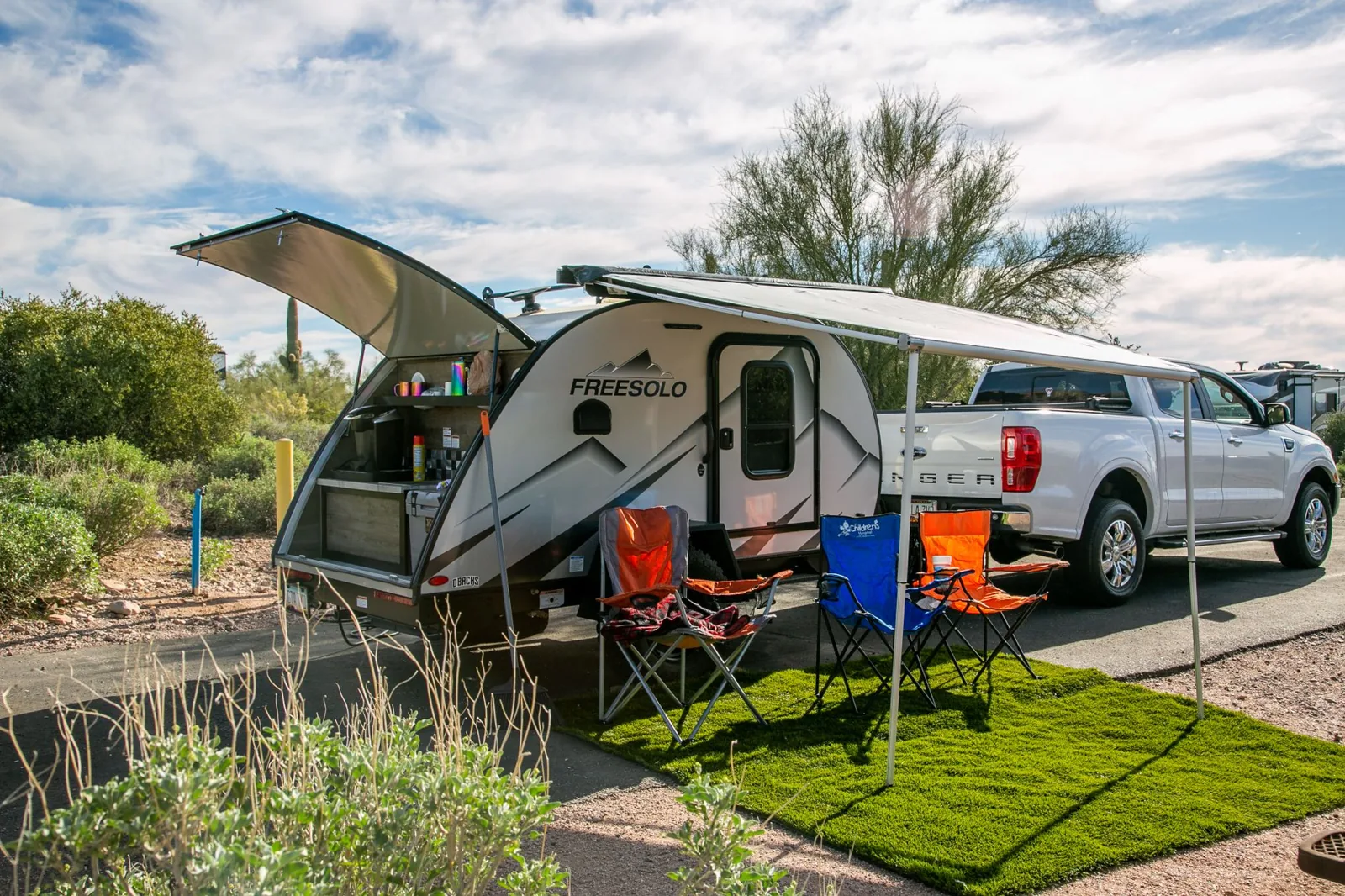
- Teardrop and compact campers — $11,000 to $30,000. These sleep one or two people and can often be towed by a mid-size SUV. Popular picks include the nuCamp T@B 320 and the Scamp 13′.
- Lightweight and single-axle trailers — $20,000 to $40,000. Brands like Casita and Winnebago’s Micro Minnie fall here, weighing under 4,000 pounds.
- Mid-size bunkhouse trailers — $30,000 to $60,000. These are the family workhorses — Jayco Jay Flight, Forest River Rockwood, and Grand Design Imagine all sit in this band.
- Large and luxury trailers — $50,000 to $120,000. Airstream is the standout here; a new Airstream Flying Cloud runs $90,000 to $115,000.
- Fifth wheels — $60,000 to $180,000. The biggest and most expensive category, towed by heavy-duty pickup trucks.
Keep in mind these are new prices. A well-kept used trailer typically sells for 20% to 40% less than its original MSRP.
Travel Trailer Costs by Type and Size
To make the numbers concrete, here’s how four popular trailer categories compare on price, weight, and what you get.
| Feature | Teardrop (nuCamp T@B) | Lightweight (Winnebago Micro Minnie) | Mid-Size Bunkhouse (Jayco Jay Flight) | Fifth Wheel (Grand Design Reflection) |
|---|---|---|---|---|
| Typical new price | $20,000–$30,000 | $25,000–$40,000 | $30,000–$55,000 | $70,000–$110,000 |
| Dry weight | 1,800–2,500 lb | 3,000–4,500 lb | 5,000–7,000 lb | 10,000–13,000 lb |
| Sleeps | 2 | 2–4 | 6–10 | 6–10 |
| Tow vehicle needed | Mid-size SUV | Half-ton truck or large SUV | Half-ton or 3/4-ton truck | 3/4-ton or 1-ton truck |
| Best for | Couples, weekend trips | Small families | Family vacations | Full-time or seasonal living |
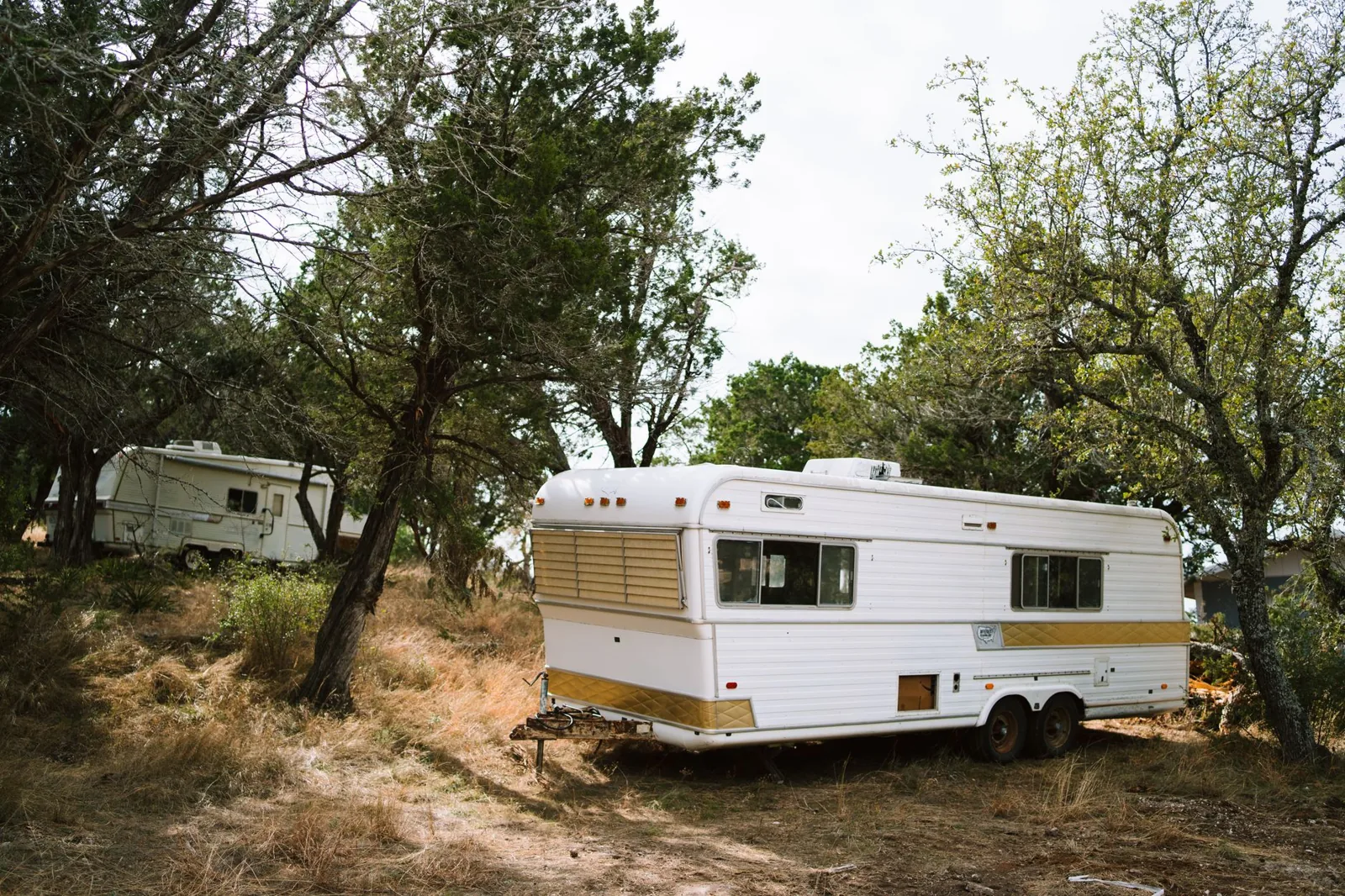
Photo by Jeff Stapleton via Pexels
The pattern is simple: more sleeping capacity and heavier construction push the price up fast. If you already own a mid-size SUV, a teardrop or lightweight trailer may be the cheapest path into RVing — no truck upgrade required.
New vs. Used Travel Trailers
Depreciation hits travel trailers harder than most people expect. A new trailer can lose 20% to 30% of its value within the first three years, which makes used units an attractive option for budget-minded buyers.
- New trailers come with a factory warranty (often one to three years), zero wear and tear, and the latest floor plans. You also pay sales tax on the full price and eat the steepest depreciation.
- Used trailers are far cheaper upfront, and many have already had their early problems shaken out. The trade-off is risk: water damage, appliance failures, and soft floors can be expensive to fix.
Before buying used, have a certified RV inspector check the roof, seals, and plumbing. A $400 inspection can save you from a $5,000 leak repair. If you’re not sure you’ll use a trailer often enough to justify ownership, renting first makes sense — see our breakdown of RV rental vs. buying to run the numbers for your situation.
The Hidden Costs of Trailer Ownership
The purchase price is only the beginning. These recurring costs add up quickly, and new buyers routinely underestimate them.
Insurance and Registration
Travel trailer insurance typically costs $250 to $700 a year, depending on the trailer’s value and your location. Registration and title fees vary by state, and many states charge sales tax of 6% to 10% at purchase — often the single largest fee most buyers forget to budget for.
Storage
If you can’t park the trailer at home, you’ll pay for storage. Outdoor lots run $50 to $150 a month, while indoor or covered storage ranges from $150 to $300 a month in most US markets. That’s $600 to $3,600 a year just to park it.
Maintenance and Repairs
Plan on $300 to $1,000 a year for routine upkeep: resealing the roof, repacking wheel bearings, winterizing, and replacing tires every five to seven years regardless of tread depth. A single appliance repair — a fridge or water heater — can run $500 to $1,500.
Photo by Robert So via Pexels
Tow Vehicle Costs
A travel trailer is only as useful as the vehicle pulling it. If your current car can’t handle the trailer’s loaded weight, you’ll need to factor in a truck or large SUV — or rule out heavier trailers entirely.
Check the trailer’s gross vehicle weight rating (GVWR), not its dry weight. Loaded with water, food, and gear, a trailer can weigh 1,000 to 2,000 pounds more than the brochure number. Your tow vehicle’s rating should comfortably exceed that figure, with a 10% to 20% safety margin.
- A mid-size SUV like a Ford Explorer or Jeep Grand Cherokee can pull most teardrops and small lightweights.
- A half-ton pickup (Ford F-150, Ram 1500, Chevrolet Silverado 1500) handles the mid-size category.
- A fifth wheel needs a 3/4-ton or 1-ton truck, which can push your total setup past $100,000.
Also budget for fuel. Expect 8 to 14 mpg while towing, which means a cross-country trip can burn several hundred dollars in gas alone.
Financing a Travel Trailer
Many buyers finance their trailer through an RV-specific loan rather than paying cash. RV loan terms are longer than auto loans — often 10 to 15 years — which keeps monthly payments low but increases total interest.
Expect RV loan rates to run a few points above auto loan rates. On a $40,000 trailer financed over 12 years at 8.5%, you’d pay roughly $440 a month and more than $20,000 in interest over the life of the loan. A larger down payment shortens the term and cuts that interest dramatically.
Compare rates from banks, credit unions, and lenders that specialize in RV loans before committing. Sites like NerdWallet publish current RV loan rate data that’s worth checking while you shop.
How to Set a Realistic Travel Trailer Budget
Add up the full picture before you buy, not just the monthly payment. A practical travel trailer cost budget looks something like this for a $40,000 mid-size trailer:
- Down payment (20%): $8,000
- Sales tax and fees: $2,800 to $4,400
- Insurance (first year): $500
- Storage (first year, outdoor): $1,200
- Maintenance (first year): $500
- Total first-year cost: roughly $13,000 to $14,600, plus your loan payment
That’s a lot more than the sticker. If the numbers feel tight, consider a smaller trailer, a used unit, or renting to test the lifestyle first. Renting for a week or two — see our guide to RV rental cost per week — is the cheapest way to learn what you actually need before committing. And if you’re drawn to the freedom without the tow vehicle, van life costs might fit your budget better.
Frequently Asked Questions
What is the average travel trailer cost?
New travel trailers average between $25,000 and $55,000 depending on size. Teardrops and compact campers start near $11,000, while large fifth wheels exceed $100,000. Used trailers typically sell for 20% to 40% less.
Is it cheaper to buy a new or used travel trailer?
Used is almost always cheaper upfront, but a new trailer includes a factory warranty and no unknown wear. If you buy used, pay for a professional inspection to catch water damage and appliance issues before they become your problem.
How much does it cost to insure a travel trailer?
Most owners pay $250 to $700 a year for standalone travel trailer insurance. Full-timers and high-value trailers cost more, and your policy may be cheaper when bundled with auto insurance.
Do I need a special vehicle to tow a travel trailer?
It depends on the trailer’s loaded weight. Small teardrops can be towed by a mid-size SUV, mid-size trailers need a half-ton truck, and fifth wheels require a 3/4-ton or 1-ton pickup.
What hidden costs should I budget for?
Sales tax and registration, storage fees, insurance, and annual maintenance are the big ones. Together they can add $3,000 to $8,000 to your first year of ownership on top of the trailer price.
The Bottom Line
A travel trailer cost is rarely just the number on the sticker. Between depreciation, storage, insurance, maintenance, and a capable tow vehicle, the real first-year price of a mid-size trailer often lands $13,000 or more above what you paid at the lot.
That doesn’t make it a bad deal — for people who camp 30 or more nights a year, a trailer can pay for itself against hotel and RV rental rates. Just run the full numbers first, size the trailer to the vehicle you already own, and consider a used unit or a rental trial if you’re on the fence. Buy with a complete budget in hand, and the open road gets a lot less expensive.