Best Hard Shell Luggage: 7 Picks for Every Budget and Trip
If you have ever stood at a baggage carousel and watched a bag tumble off the belt onto the concrete, you already understand the appeal of the best hard shell luggage. A rigid polycarbonate or ABS shell does a job soft fabric simply cannot: it turns a 50-pound drop onto a hard corner into a scuff at most. That protection is why hard shells now outsell softside bags at many major U.S. retailers.
But “hard shell” is not one product. Shells vary from flexible polycarbonate that flexes on impact to brittle ABS that can crack, and the difference shows up fast in real travel. Prices run from around $60 for a basic supermarket spinner to $500-plus for premium aluminum and aerospace-grade polycarbonate.
This guide walks through what actually matters in a hard shell — material, wheels, locks, and weight — and compares seven real models across budgets. By the end, you will know which bag earns a spot in your overhead bin and which one can handle a three-week checked itinerary.
What to Look for in Hard Shell Luggage
Before you compare models, get the four fundamentals right. A bag that nails these will outlast one that only looks good on the shelf.
Shell Material: Polycarbonate vs. ABS
The shell is the whole point, so the material is the single biggest factor in how long the bag lives.
- Polycarbonate (PC) is the modern standard. It flexes on impact and bounces back instead of cracking, and it weighs less than ABS. Most premium bags use 100% polycarbonate or a polycarbonate blend.
- ABS is cheaper and rigid, but it can shatter when hit hard in cold weather. Budget spinners under $80 are almost always ABS.
- Aluminum is the premium option — think Rimowa and Level8. It shrugs off rough handling and looks sharp, but it dents rather than flexes, weighs more, and costs $400 and up.
- Hybrid polycarbonate-ABS blends split the difference, offering better durability than pure ABS for only a few dollars more.
If you check bags regularly, pay the extra for polycarbonate. The cost difference of $30 to $50 buys you years of additional life.
Wheels and Telescoping Handle
Four double spinner wheels are now table stakes, but they are not all equal. Cheap spinners use thin plastic housings that snap at the hub; good ones sit in reinforced mounts and roll smoothly over brick and carpet. If you mostly navigate airports and hotel lobbies, four wheels are fine. If you contend with cobblestones or gravel, look for bags with slightly larger wheels or a two-wheel roller design.
The handle is the part that fails first on cheap bags. Pull it to full extension and give it a wiggle. It should lock cleanly at two or three heights with minimal side-to-side play, and it should be aluminum, not flimsy plastic.
Locks, Zippers, and Weight
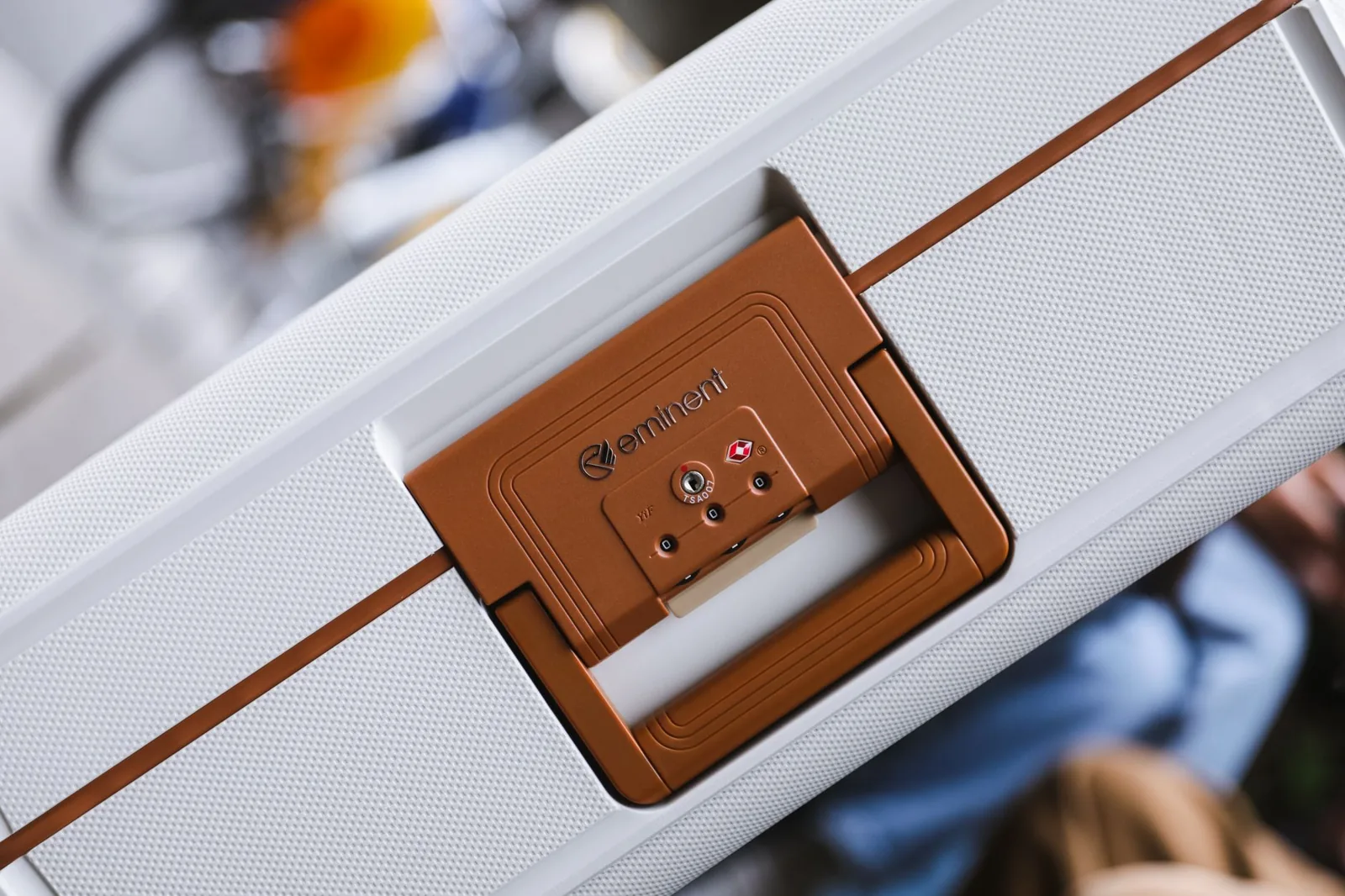
A TSA-approved combination lock is worth having on any checked hard shell, since agents can open it without cutting your bag. Some premium models add a central locking system that seals the whole frame.
Weight matters more than most people think, especially if you fly airlines with strict carry-on luggage weight limits. A heavy 10-pound shell eats into your allowance before you pack a single item. The best hard shell luggage keeps empty weight in the 6- to 8-pound range for a carry-on and 9 to 12 pounds for a large checked bag.
Our Top 7 Hard Shell Luggage Picks
Here are the models we recommend most, organized from budget to premium. Prices are typical street prices and fluctuate, so treat them as a guide. For independent drop-and-roll testing data, Travel + Leisure’s luggage reviews are a useful cross-check.
Photo by Jahra Tasfia Reza via Pexels
1. Amazon Basics Hardside Spinner (Budget)
The Amazon Basics 21-inch spinner is the default first hard shell for a reason. At around $70 to $90 for a carry-on, it delivers a scratch-resistant polycarbonate front, ABS sides, four spinner wheels, and an expandable design that adds about 15% more packing room.
It is not flawless. The shell is thinner than premium bags, and the wheels occasionally wobble on rough surfaces. But for occasional travelers who fly a few times a year, it is hard to beat at the price. The 28-inch checked version runs about $110 and handles a two-week trip comfortably.
2. Samsonite Freeform (Mid-Range)
Samsonite’s Freeform is the best-value polycarbonate bag on the market and our top all-around pick. It is built from 100% polypropylene, which is lighter than ABS and more flexible than pure polycarbonate, keeping the 21-inch carry-on to about 6.5 pounds.
You get double spinner wheels, a TSA lock, two roomy interior compartments, and a 10-year warranty. The carry-on runs $140 to $180, and the 24-inch checked version about $180 to $220. The Freeform slots cleanly into most U.S. airlines’ carry-on luggage size limits, making it a safe one-bag purchase.
3. Travelpro Maxlite Air Hardside
Travelpro is favored by airline crews, and the Maxlite Air Hardside brings that pedigree to a polycarbonate shell. The 21-inch carry-on weighs under 6 pounds — one of the lightest hard shells available — and the 25-inch checked bag is around 8 pounds.
It pairs quiet spinner wheels with a padded top and side handle, a built-in TSA lock, and an interior that includes a wet pocket for toiletries. Expect to pay $180 to $230 for a carry-on. If you frequently hit strict carry-on luggage weight limit policies, the low empty weight here is a genuine advantage.
4. Away The Carry-On
Away turned hard shell luggage into a lifestyle product, and its The Carry-On still earns the hype. The shell is 100% polycarbonate with a leather-trimmed exterior, and the interior uses a compression system that genuinely fits a week of clothes.
The signature feature is the optional ejectable battery, though many airlines now require removing it before boarding, and some newer models omit it. The bag measures 21.7 x 14.4 x 9 inches, right at the edge of most domestic carry-on luggage dimensions. At $325, it is a premium buy, backed by a lifetime limited warranty. It is an excellent choice for frequent domestic flyers, though the price is hard to justify for a once-a-year trip.
5. Level8 Gibraltar
Level8 quietly makes some of the best polycarbonate and aluminum shells for the money. The Gibraltar is a 100% polycarbonate spinner with reinforced corners, a TSA lock, and 360-degree wheels that roll noticeably smoother than most bags in the $120 to $150 range.
The carry-on is around 6.8 pounds and fits standard overhead bins. For a premium aluminum option, Level8’s aluminum lines start around $400 and compete directly with Rimowa at a fraction of the price. If you want polycarbonate durability without the Away markup, Level8 is the pick.
Photo by Sergey Meshkov via Pexels
6. Briggs & Riley Sympatico (Lifetime Warranty)
Briggs & Riley is the luxury pick for travelers who buy one bag and keep it for decades. The Sympatico uses a proprietary polycarbonate blend with a molded shell and aluminum frame, and it is backed by the brand’s famous “Simple as That” lifetime guarantee — it even covers airline damage, which almost no one else does.
The expandable system uses a clever compression mechanism rather than a flimsy zipper gusset. Prices start around $500 for a carry-on, which is steep, but if you check bags often and replace cheap spinners every few years, the math eventually works in your favor.
7. Rimowa Original (Aluminum Flagship)
Rimowa’s Original aluminum case is the icon — the grooved metal bag you see on every editorial “luxury travel” list. It is gorgeous, durable, and eye-wateringly expensive, with carry-ons starting around $1,200 and checked sizes over $1,400.
Aluminum shrugs off the drops that crack plastic, though it does dent and show character over time. It is also heavier: the Cabin weighs about 9.5 pounds empty. Rimowa is a statement piece more than a practical value buy, but if you want the best hard shell luggage money can buy in pure build terms, this is it.
Comparing the Top Picks at a Glance
| Feature | Amazon Basics Hardside | Samsonite Freeform | Away The Carry-On | Rimowa Original |
|---|---|---|---|---|
| Shell material | Polycarbonate + ABS | 100% polypropylene | 100% polycarbonate | Aluminum |
| Carry-on weight | ~7.5 lb | ~6.5 lb | ~7.5 lb | ~9.5 lb |
| Typical price | $70–$90 | $140–$180 | $325 | $1,200+ |
| TSA lock | Yes | Yes | Yes | Yes |
| Warranty | 1 year | 10 years | Lifetime limited | Lifetime |
As the table shows, the middle of the market — Samsonite, Level8, and Travelpro — offers the strongest mix of durability and price for most travelers. That is where we would spend our money first.
Hard Shell vs. Softside: Which Should You Buy?
Hard shells are not automatically better. The right choice depends on how you travel. If you mostly fly between cities with smooth airport floors, a hard shell’s protection and clean lines are hard to fault. If you road trip, take trains, or need to stuff a bag under a bus seat, a softside bag with exterior pockets may serve you better — and this applies to the broader carry-on luggage vs. checked luggage decision too.
The honest trade-offs:
- Hard shell wins for checked bags that get thrown around and for anything fragile you pack. The rigid shell distributes impact and resists crushing.
- Softside wins for flexibility — exterior pockets for a laptop or jacket, and the ability to compress into tight spaces.
- Weight slightly favors good polycarbonate shells today, which are lighter than many fabric bags with thick padding.
- Looks and cleaning favor hard shells, which wipe clean and hide scuffs better in darker colors.
For most air travelers checking luggage, a polycarbonate hard shell is the safer, simpler choice. If you carry on everything and value quick access to a laptop, consider a softside or a hybrid. Our best carry-on luggage for travel guide covers that side of the aisle.
Frequently Asked Questions
Is polycarbonate or ABS better for hard shell luggage?
Polycarbonate is better for durability. It flexes on impact and bounces back rather than cracking, and it is lighter than ABS. ABS is cheaper but can shatter when struck hard in cold weather. If you check bags regularly, pay the extra $30 to $50 for polycarbonate or polypropylene.
Does hard shell luggage crack easily?
Cheap ABS shells crack more easily than quality polycarbonate ones, especially in cold temperatures and when dropped on corners. Polycarbonate and aluminum shells are far more resistant. Buy a bag with reinforced corners and a 10-year or lifetime warranty if you are worried about damage.
What size hard shell luggage should I buy?
A 21- to 22-inch carry-on suits trips up to a week and fits most U.S. overhead bins. A 24- to 25-inch mid-size bag works for 10 to 14 days, and a 28-inch or larger checked bag handles two weeks or more. Measure against your airline’s size limits before buying, since enforcement has gotten stricter.
Are expensive hard shell suitcases worth it?
It depends on how often you travel. A $325 Away or $500 Briggs & Riley earns its price if you fly monthly, because the lifetime warranty and stronger shell outlast three or four $70 budget spinners. For occasional travel, a $150 Samsonite Freeform delivers most of the same durability at a much lower price. NerdWallet’s guide to luggage costs is a good reference for budgeting across the range.
Do airlines treat hard shell luggage worse?
No, but checked bags of any type are handled roughly by automated systems. A hard shell’s advantage is that it can absorb that abuse without crushing the contents the way a soft bag can. Pack fragile items in the center and use a TSA lock regardless of your bag type.
The Bottom Line
The best hard shell luggage protects your gear through years of rough handling, and for most travelers the smart money sits in the mid-range: a 100% polypropylene or polycarbonate spinner like the Samsonite Freeform, Travelpro Maxlite Air, or Level8 Gibraltar. Spend $140 to $180, get a TSA lock and a solid warranty, and you will not think about luggage for a decade.
Budget shoppers will be fine with the Amazon Basics Hardside for light use, and frequent flyers who want a buy-it-once bag should look hard at Briggs & Riley’s lifetime warranty. Aluminum from Rimowa or Level8 is for those who care as much about how the bag looks as how it protects.
Check your airline’s size and weight limits, match the bag to how you actually travel, and invest in polycarbonate over ABS — then let the shell absorb the bumps while you enjoy the trip. For more help choosing the right bag for your next flight, browse our carry-on luggage size and best carry-on luggage for travel guides.