
Hardshell vs Softshell Luggage: Which Suitcase Should You Buy?
If you’re shopping for new luggage, the first fork in the road is hardshell vs softshell luggage. It’s not a styling decision — it changes how your bag survives a baggage handler, how much it weighs before you pack a single shirt, and how much you can actually squeeze inside the shell.
Both designs have come a long way. The polycarbonate shells that cracked on a decade-old budget bag are not the same material you’ll find in a modern mid-range suitcase, and lumpy softside bags have given way to structured frames that hold their shape. Spend $200 to $350 today and either camp will get you through years of ordinary travel.
The real question is which set of trade-offs matches the way you actually fly. That’s what this guide is for.
What “Hardshell” and “Softshell” Actually Mean
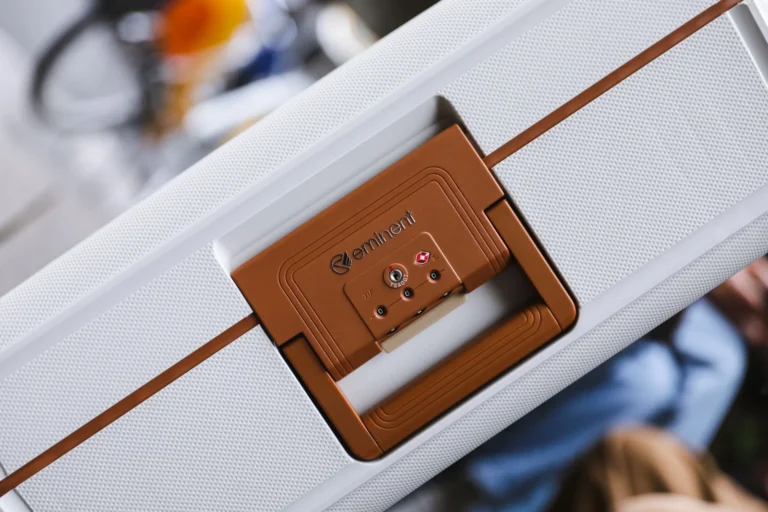
The names describe the outer shell, not the frame. A hardshell suitcase has a rigid exterior — usually polycarbonate, ABS plastic, or a blend of the two, sometimes aluminum at the premium end. A softshell (softside) suitcase uses a woven fabric outer, typically ballistic nylon or polyester, stretched over a metal or composite frame.
Within each family there’s a wide quality range:
- Polycarbonate is the flexible, impact-resistant material used by Away, Monos, Level8, and Samonsite’s higher lines. It flexes on impact and bounces back instead of shattering.
- ABS is cheaper and stiffer. It’s common on sub-$100 bags and is more likely to crack under a hard hit.
- Aluminum (Rimowa, Tumi) is the most protective and the heaviest and most expensive.
- Ballistic nylon is the gold standard for softside — tightly woven and abrasion-resistant. Travelpro and Briggs & Riley build their reputations on it.
- Polyester shows up on budget softside bags and wears through faster than nylon.
Knowing which material you’re actually buying matters more than the hardshell/softshell label itself.
Durability and Protection
Hardshell cases win the protection argument for anything fragile. A rigid shell distributes impact across the whole case instead of letting a single point take the full blow. If you travel with camera gear, bottles of wine, or souvenirs that shouldn’t be crushed, a polycarbonate shell gives you a meaningful safety margin.
That said, hardshell isn’t bulletproof. A hard case can crack or dent where a softside bag would simply flex and recover. The sweet spot in value is polycarbonate specifically — it flexes under stress where ABS shatters.
Softshell bags shine in a different way: they shrug off scuffs and abrasion. A nylon bag dragged along a conveyor belt picks up surface wear but keeps working. A glossy polycarbonate case shows every scratch within a few flights. Softside also handles overpacking more gracefully — the fabric expands where a rigid shell has no give at all.
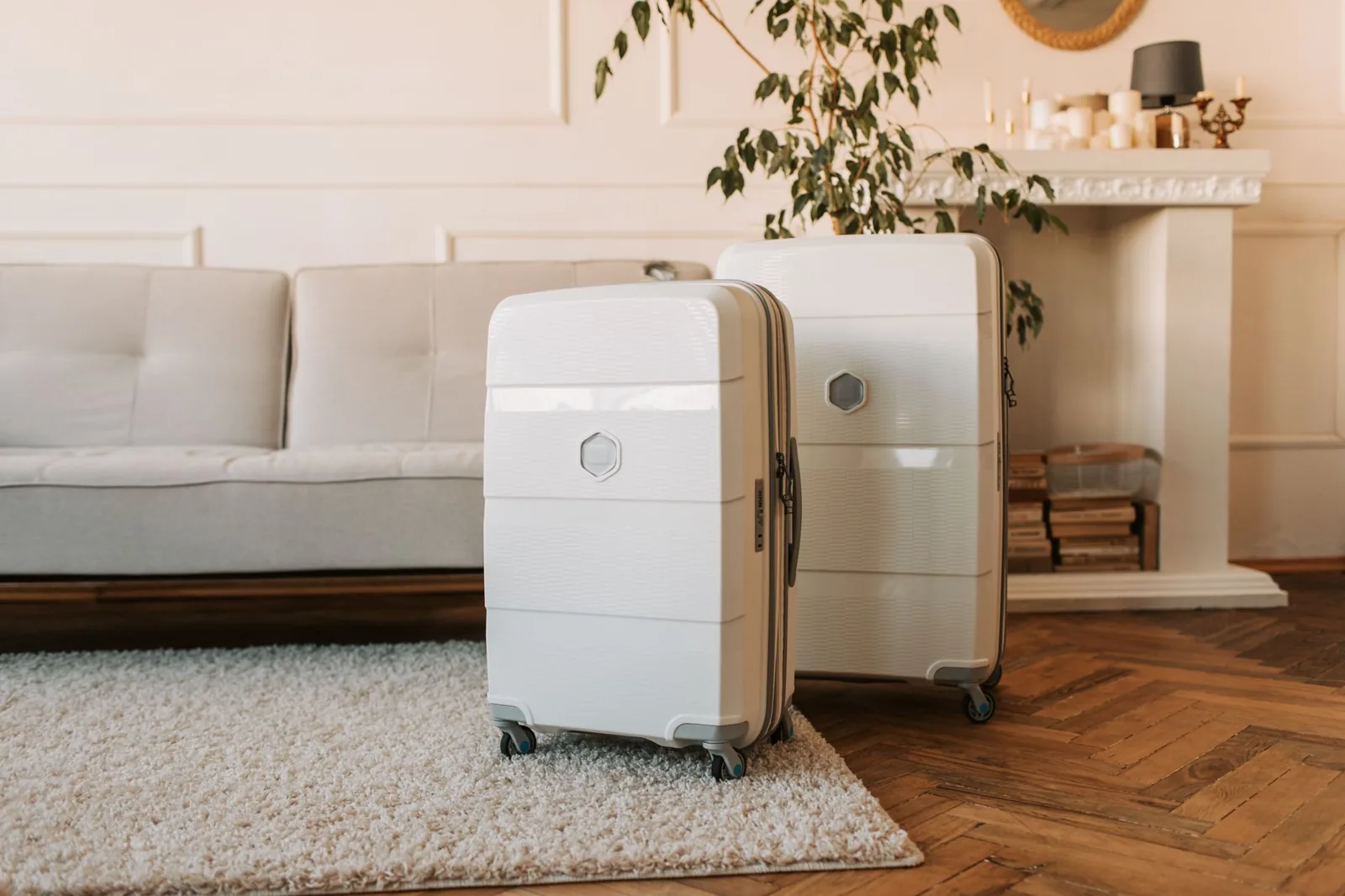
Photo by Vlada Karpovich via Pexels
Weight and Capacity
Here’s where softshell usually has the edge. Because the shell is fabric over a frame, a softside bag carries less dead weight. A typical 25-inch checked softside bag weighs 7 to 8 pounds empty; a comparable hardshell polycarbonate bag runs 8 to 10 pounds. Two pounds doesn’t sound like much until an airline charges you $50 in overweight fees for a bag that’s currently 51 pounds.
Capacity is where the argument gets interesting. Hardshell bags are often split 50/50 into two clamshell halves, which forces you to pack smart but gives you two flat surfaces to organize. Softside bags usually open from the top with a single large cavity plus exterior pockets. If you travel with bulky, oddly shaped items, the softside cavity and expandable zippers are more forgiving.
The exterior-pocket advantage shouldn’t be understated either. Need to grab a laptop, a book, or a water bottle in the security line? A softside bag gives you quick-access pockets. A hardshell bag requires you to unzip the whole thing on the floor — usually while a family of four waits behind you.
Handling, Packing, and Storage
Think about how you’d rather live with the bag, not just the spec sheet.
- Packing. Hardshell clamshells force organization. You pack each half flat and use straps or compression cubes. It’s tidy, but you must lay the bag open fully to access anything. Softside top-loaders are grab-and-go but turn into a rummage pile without packing cubes.
- Maneuvering. Four spinner wheels now come on both styles, so the old “softside drags on two wheels” complaint is mostly gone at the mid-range and up.
- Gravity pull. Hardshell bags are smoother over rough pavement and airport carpet because the rigid body rolls without flexing. A heavily loaded softside bag can develop a sag that makes it drag.
- Storage at home. When empty, hardshell bags take up the same space at home as they do in the airport. Softside bags can often be compressed or folded down somewhat, which matters in a small apartment or closet.
- Sitting on it. In a crowded terminal with no seats, a rigid hardshell doubles as a stool. Good luck doing that on a fabric bag for long.
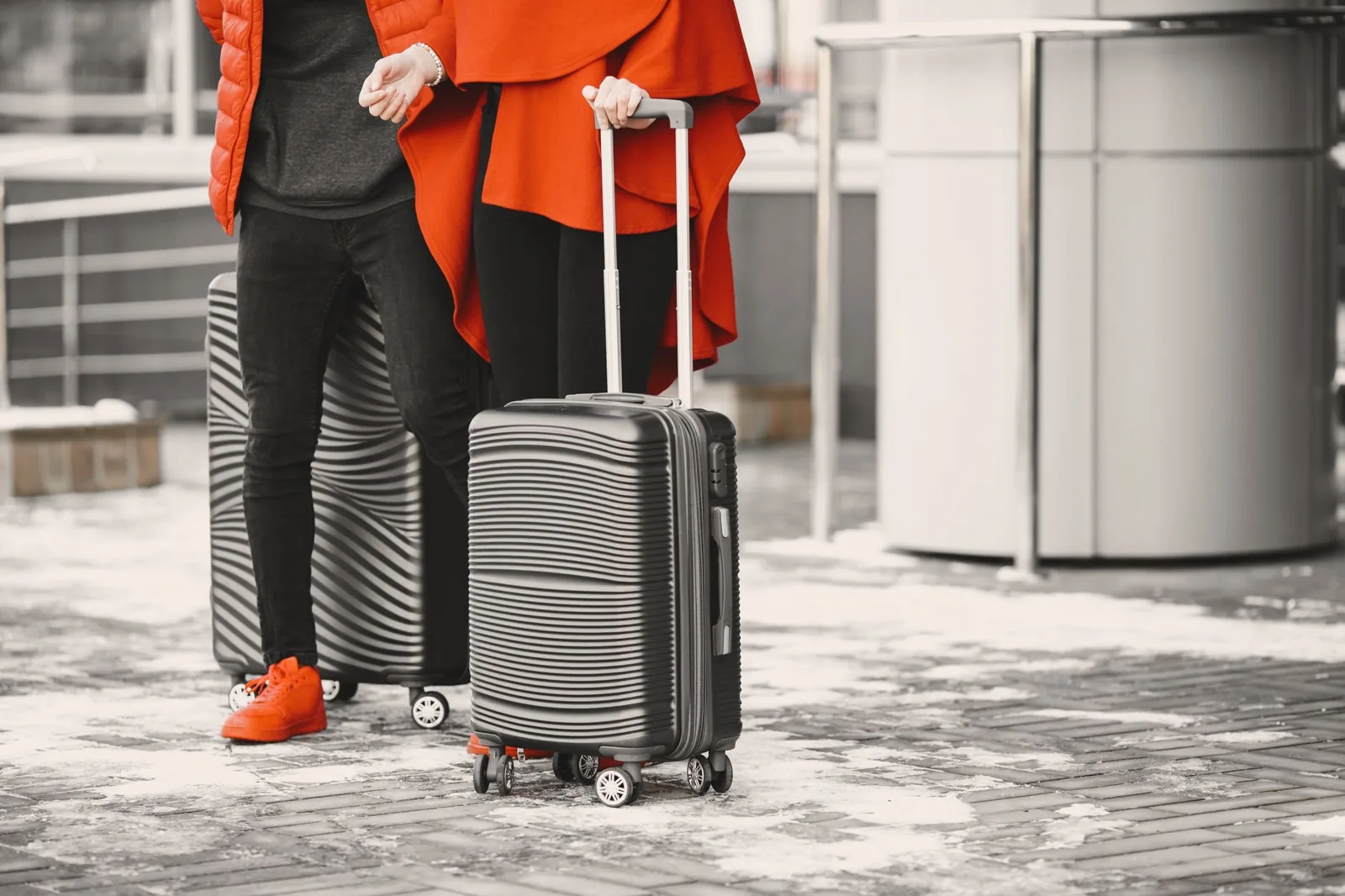
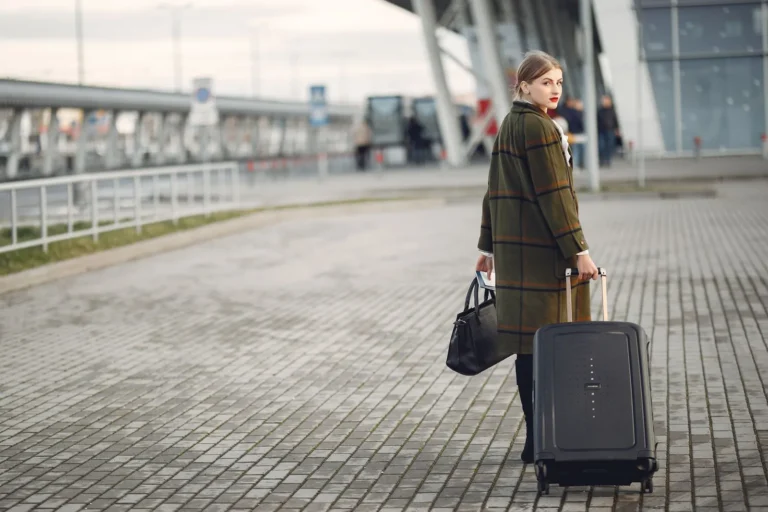
Photo by Gustavo Fring via Pexels
Hardshell vs Softshell Luggage: Side-by-Side Comparison
| Feature | Hardshell | Softshell |
|---|---|---|
| Protection for fragile items | Strong — the shell absorbs and spreads impact | Moderate — fabric doesn’t protect against crushing |
| Empty weight (25-inch checked bag) | 8–10 lbs | 7–8 lbs |
| Expanding capacity | Limited; no exterior stretch | Yes — expandable zippers and stretchy pockets |
| Quick-access exterior pockets | Rare | Common |
| Scratch and scuff resistance | Low — glossy shells show wear | High — nylon hides abrasion |
| Water resistance | High — sealed shell | Moderate — fabric with water-resistant coating |
| Typical price range | $120–$700+ | $80–$500+ |
| Best for | Fragile gear, checked bags, frequent flyers | Overpackers, carry-on users, budget travelers |
Price and Value
You can spend $80 or $800 on either style, so the material and build quality matter more than the category. Here’s what your budget realistically buys:
- Under $120. This is ABS territory for hardshell and basic polyester for softside. Fine for occasional, gentle use. Expect scuffs, squeaky wheels, and a zipper or shell that may fail after a couple of years.
- $150–$350. The value sweet spot. You’ll get polycarbonate shells from brands like Monos, Level8, and Samsonite, or ballistic-nylon bags from Travelpro and Delsey. This is where most travelers should stop.
- $400 and up. Premium materials — virgin polycarbonate, aluminum frames, lifetime warranties, and better wheels. Nice if you fly weekly, overkill for a vacation once or twice a year.
Look for a bag with a brand warranty of at least three to ten years. Travelpro, Briggs & Riley, and Away all stand behind their products, and the warranty is a better predictor of longevity than the price tag alone.
For more on what dimensions actually fit in the overhead bin, see our guides to carry-on luggage size and carry-on luggage weight limits.
Who Should Buy a Hardshell?
Choose a hardshell suitcase if several of these ring true:
- You check bags and want maximum protection for fragile contents.
- You travel with camera gear, glass, or liquid souvenirs.
- You like the two-sided, organized clamshell packing style.
- You don’t need quick-access pockets while moving through the airport.
- You want a bag that’s easy to wipe clean inside and out.
Who Should Buy a Softshell?
Go softside if you recognize yourself here:
- You mostly fly carry-on and want to shave every pound. (Softside is the more natural partner for a carry-on vs checked bag strategy built on flying light.)
- You overpack or travel with bulky, irregular items.
- You want exterior pockets for a laptop, snacks, and a jacket.
- You’re budget-conscious and want maximum usable space per dollar.
- You have limited storage at home and want a bag that can compress when empty.
Frequently Asked Questions
Is hardshell or softshell luggage more durable?
It depends on the damage you’re worried about. Hardshell protects contents better against crushing and impact, while softshell resists scuffs, cracks, and abrasion better over time. A polycarbonate hardshell and a ballistic-nylon softside bag are both durable when priced above roughly $150; cheap ABS and cheap polyester are not.
Which is lighter, hardshell or softshell luggage?
Softshell is almost always lighter. A 25-inch checked softside bag typically weighs 7 to 8 pounds empty, versus 8 to 10 pounds for a comparable hardshell. That margin can mean the difference between a normal baggage fee and an overweight charge.
Is hardshell luggage worth it?
For travelers who check bags or carry fragile items, yes — the extra protection and easy-to-clean interior justify the added weight and cost. For frequent carry-on travelers who value light weight and pockets, softside is often the better spend.
Do hardshell suitcases crack?
ABS plastic shells on sub-$100 bags can crack under hard impact. Polycarbonate shells flex and usually bounce back, which makes them the more durable choice in the hardshell category. Quality matters far more than the hardshell label itself.
Which lasts longer, hardshell or softshell?
A well-made polycarbonate hardshell and a well-made ballistic-nylon softside bag can both last ten years or more with normal use. Softside’s weakness is zipper and frame wear; hardshell’s is scratching and impact damage. Buying from a brand with a strong warranty is the best predictor either way.
For a deeper look at how airlines actually enforce bag rules, Lonely Planet’s luggage size guide is a useful reference, and NerdWallet’s advice on avoiding baggage fees is worth a read before you commit to a bag.
The Bottom Line
There’s no single correct answer in the hardshell vs softshell luggage debate — just the correct answer for your travel style. Check bags and haul fragile gear? A polycarbonate hardshell earns its weight. Fly carry-on and value flexibility, light weight, and grab-and-go pockets? Softside ballistic nylon is hard to beat.
Buy in the $150 to $350 range, prioritize material (polycarbonate or ballistic nylon) over the hardshell/softshell label, and lean on bags with real warranties. Do that and the choice takes care of itself. Ready to narrow it down? Start with our roundup of the best carry-on luggage for travel.